You want products that respect your values, calm your skin, and don't wreck your budget. That sounds simple until you start reading labels. One serum says vegan, another says plant-based, a third says clean, and half the affordable options online look suspiciously vague.
That confusion is why affordable vegan skincare requires a more practical conversation. In real treatment rooms and in real routines, price alone does not indicate whether a product is smart. What matters is formula design, ingredient quality, barrier support, and whether the brand is being honest about what “vegan” means.
K-Beauty is especially interesting here because it has long excelled at texture, layering, and ingredient-first formulation. When that approach meets credible vegan standards, you can build a routine that feels elegant, works hard, and stays financially realistic.
The Rise of Smart, Affordable Vegan Skincare
Affordable vegan skincare has moved well beyond niche status. The affordable segment of vegan cosmetics is projected to capture 39.3% of the total market share by 2026, making it the leading price category, while the overall market is projected to reach USD 76.16 billion in 2026 according to Coherent Market Insights on the vegan cosmetics market.
That projection matters because it confirms something shoppers already feel. People aren't looking for “cheap” products. They're looking for products that deliver visible skin benefits without charging a premium just because the packaging is minimalist or the ingredient story sounds ethical.
K-Beauty fits this shift well. Korean skincare has built its reputation on smart formulation choices, lightweight layering, and high user experience. In the affordable vegan space, that often translates into gentle cleansers, watery toners, soothing essences, and barrier-supporting moisturizers that don't depend on animal-derived ingredients to feel effective.
Why affordable doesn't have to mean basic
In practice, budget-conscious skincare works best when brands focus on a few things:
- Texture that encourages consistency. If a toner or cream feels good, you'll use it.
- Plant actives with clear purpose. Hydration, soothing, antioxidant support, or barrier care.
- Simple routines with fewer dead steps. You don't need a crowded shelf to get results.
- Transparent ingredient lists. If you have to decode the product story more than the formula, that's a red flag.
Professional view: The best affordable vegan skincare products usually feel restrained. They don't try to be ten things at once, and that's often why they perform better.
What doesn't work is buying into the old assumption that ethical skincare must be either luxury-priced or less effective. In day-to-day use, a well-formulated vegan toner or serum can outperform a more expensive product that leans too heavily on trend language and not enough on skin function.
How to Verify Authentic Vegan and Cruelty-Free Claims
The hardest part of shopping for affordable vegan skincare isn't usually finding products. It's verifying which claims mean something.
According to Greenvines on vegan skincare confusion and greenwashing, there are no legal standards for the term “vegan” on cosmetics, and 70% of consumers misdefine it. That gap creates room for greenwashing, especially in budget categories where shoppers are moving quickly and comparing many products at once.

What the common labels actually mean
These terms overlap, but they aren't interchangeable.
- Vegan means the product doesn't contain animal-derived ingredients.
- Cruelty-free means the finished product, and sometimes the ingredients depending on the certifier, aren't tested on animals.
- Plant-based suggests many ingredients come from plants, but it doesn't guarantee the formula is fully vegan.
- Clean is the least reliable of the group. It usually reflects brand positioning, not a universal standard.
A product can be cruelty-free and still contain beeswax, lanolin, collagen, honey, or carmine. A product can also be marketed as plant-based while including a few animal-derived components. That's why checking only the front label isn't enough.
A practical verification method
When I assess a product line for vegan suitability, I use a layered check instead of trusting one badge or one sentence on the carton.
-
Look for recognized certification logos
Prioritize marks from established programs such as Vegan Society or Leaping Bunny. A clean logo doesn't prove everything, but it's more credible than a leaf icon the brand designed itself. -
Read the full ingredient list
Watch for common animal-derived ingredients, especially in creams, balms, sleeping masks, and lip-adjacent products. Beeswax, lanolin, honey, collagen, and carmine are frequent catches. -
Check the brand's wording carefully
“Vegan-friendly” and “contains botanical ingredients” are softer phrases than “certified vegan.” Brands often use broad language when they don't want to make a stricter claim. -
Verify the company's testing and sourcing stance
Brand values pages can be useful, but independent cruelty-free databases add another layer of confidence.
If the front of the package makes a bold ethical claim but the brand can't explain it clearly on its product page, I move on.
Signs the claim may be weak
A few patterns should make you pause:
- Vague badge design with no certifying body named
- No full ingredient list on the retailer page
- Mixed messaging such as “natural and clean” replacing a direct vegan statement
- Brand-wide claims when only selected products are vegan
This matters even more in affordable K-Beauty, where many excellent products exist alongside lines that use vegan-adjacent marketing without full clarity. Smart shoppers don't need to be cynical. They need a repeatable filter.
Powerful Plant Actives in Affordable K-Beauty
Affordable vegan skincare works when the formula is built around ingredients that have a clear job. Hydrate. Reduce water loss. Soothe irritation. Support the barrier. That's where K-Beauty often shines. It tends to pair elegant textures with plant ingredients that are easy to layer and easy to stick with.

A strong example comes from two classic moisturising ingredients. According to InsightAce Analytic on the plant-based skincare products market, aloe vera can increase skin hydration by 200-300% through osmotic retention, while jojoba oil mimics human sebum and can reduce transepidermal water loss by up to 25% in 28-day studies. Those are not trendy claims. They point to functions that matter in daily skin health.
What to look for in a good affordable formula
Aloe vera for water-binding hydration
Aloe works well in toners, gels, and lightweight serums because it adds hydration without the heaviness some richer creams bring. For skin that feels hot, tight, or dehydration-prone, aloe-based formulas can make the routine feel immediately more comfortable.
It does best in routines where the skin is already slightly damp and followed by a cream or lotion to hold that hydration in.
Jojoba oil for balanced moisture
Jojoba is especially useful for shoppers who avoid oils because they're worried about congestion. It behaves differently from heavier, waxier oils. In practice, it tends to feel more “skin-like” and less suffocating, which is why it suits many combination and reactive skin types.
This is one of the more sensible vegan replacements for traditional richness. You get slip and softness without relying on lanolin-like heaviness.
Green tea and turmeric for calming support
Many affordable K-Beauty products use green tea, aloe vera, and turmeric together or across steps. That lines up with consumer interest too. According to Future Market Insights on vegan cosmetics demand, 60% of Asian consumers show strong interest in vegan skincare featuring plant extracts like green tea, aloe vera, and turmeric.
Green tea is useful when skin looks stressed, flushed, or dull. Turmeric can be a good supporting ingredient in brightening-focused formulas, especially when the goal is to improve overall tone appearance rather than aggressively exfoliate.
Centella, mugwort, birch sap, and fermented soy
These ingredients are common in K-Beauty and worth understanding, even where the value is best described qualitatively.
- Centella asiatica is a go-to for irritation-prone skin. I reach for it when someone has over-exfoliated or stripped their barrier.
- Mugwort suits skin that gets red and reactive easily. It often performs best in essences and masks.
- Birch sap can make hydrating layers feel more cushiony and less sticky than plain humectant-heavy formulas.
- Fermented soy is often chosen for nourishment and smoother texture, especially in creams and essences designed for dry or mature skin.
Ingredient rule: Don't shop by hero ingredient alone. Check where it appears in the formula and whether the rest of the product supports the same goal.
Vegan Ingredient Swaps in K-Beauty
| Instead of... | Animal-Derived Ingredient | Try This Vegan K-Beauty Alternative | Benefit |
|---|---|---|---|
| Heavy balm richness | Lanolin | Jojoba oil or plant squalane | Softer moisture feel with better skin compatibility |
| Occlusive wax texture | Beeswax | Candelilla or sunflower-based wax systems | Structure and seal without animal ingredients |
| Animal collagen claims | Collagen | Aloe, birch sap, hyaluronic acid, fermented soy | Hydration and skin-plumping support through water retention |
| Honey-style soothing | Honey | Aloe vera, mugwort, green tea | Comforting hydration and calming support |
| Traditional emollient slip | Animal-derived emollients | Plant-derived squalane | Lightweight softness and elegant finish |
The smartest affordable formulas rarely mimic luxury products ingredient for ingredient. They solve the same skin problem with lighter, cleaner-feeling alternatives.
Building Your Budget-Friendly Vegan K-Beauty Routine
A budget routine works best when every step earns its place. If two products do the same thing, one of them is wasting your money. A good affordable vegan skincare routine should feel steady, not crowded.

There's strong demand for this kind of plant-focused routine design. As noted earlier, shoppers across Asia are actively looking for vegan formulas built around traditional botanicals. That interest makes sense because these ingredients fit the K-Beauty layering model so well.
Routine one for calm and barrier support
This is the routine I'd build for skin that feels reactive, tight, or overworked.
-
Cleanser
Choose a low-foam or soft gel cleanser that rinses clean without leaving the skin squeaky. Look for aloe, centella, or green tea. -
Hydrating toner or essence
A watery layer helps reduce that post-cleansing dryness that often triggers overuse of heavy creams later. -
Soothing serum
Centella, mugwort, or a simple aloe-based serum works well here. Keep the formula focused. Avoid stacking too many strong actives at the same time. -
Moisturizer
A light cream with jojoba, plant oils, or barrier-supportive humectants usually does more for sensitized skin than a heavily fragranced “repair” product.
This kind of routine is especially useful after a period of over-exfoliation, travel, weather shifts, or irritation from experimenting with too many actives.
Routine two for glow and hydration
Dull skin often doesn't need harsher treatment. It often needs better hydration layering and less disruption.
- Gentle cleanse
- Hydrating toner with aloe or birch sap
- Serum with green tea, turmeric, or fermented soy
- Moisturizer that seals without greasiness
- Daytime sunscreen
For many people, glow returns when the skin is better hydrated and less inflamed. That's why affordable K-Beauty can be so effective here. You can combine two or three elegant, lighter layers instead of relying on one expensive “miracle” cream.
A short visual guide can help if you prefer to see routine flow before shopping:
Routine three for combination or congestion-prone skin
Combination skin needs balance more than deprivation. Many people with oily zones overspend on harsh cleansers and underinvest in hydration.
Keep the cleanser modest
A cleanser is rinse-off. It should remove sunscreen, makeup, and excess oil well, but it doesn't need the largest share of your budget.
Spend more attention on the serum step
A good serum can target dehydration, redness, or uneven texture more precisely than buying three extra toners. Therefore, ingredient quality and texture really matter.
Finish with a lighter seal
Gel-creams, lotions, and emulsions are often enough, especially if the earlier layers already provide hydration.
Skin that produces oil can still be dehydrated. When people strip it too aggressively, they often end up buying more products to fix the irritation they created.
The simplest budget rule is this. Start with cleanser, hydrating layer, treatment layer, moisturizer, and sunscreen. Add nothing else until that core routine feels stable.
Smart Shopping Strategies to Maximize Your Skincare Budget
Skincare affordability often depends less on the price tag and more on avoiding wasteful purchases. Rather than seeking lower prices, consumers can benefit from a more focused buying strategy.

One category worth paying attention to is plant-derived squalane. According to BeautyMatter on the vegan beauty tipping point, plant-derived squalane used in budget-friendly K-Beauty lines like Isntree and Purito demonstrates 20-30% better skin absorption than some alternatives. That's the kind of detail that changes how you spend. Sometimes the better-value product is also the better-performing one.
Where to save and where to spend
A practical budget usually looks better when you divide products by job, not by hype.
- Save on cleansers because they don't stay on the skin long. A gentle, effective cleanser is enough.
- Be selective with serums because targeted ingredients can make the biggest difference in feel and results.
- Keep moisturizers boring in the best way. A solid vegan moisturizer should support the barrier and sit well under sunscreen or makeup.
- Don't overspend on novelty masks unless they're replacing another step you already use.
Use cost per ml, not just sticker price
A smaller bottle isn't always worse value, and a bigger bottle isn't always smarter. Compare how much product you use per application and how often you'll realistically use it.
A watery essence that lasts months can be a better buy than a discounted cream that pills, feels heavy, or gets abandoned in two weeks.
Look for multitasking, but not confusion
Some multitasking products are useful:
- Toner-serum hybrids for minimal routines
- Moisturizing sunscreens when your skin doesn't need a separate heavy cream in the morning
- Hydrating essences that replace both a basic toner and a light serum
What doesn't work is buying one product that claims to exfoliate, brighten, repair thoroughly, tighten pores, and replace your moisturizer. That's usually marketing, not formulation discipline.
Shopping filter: If a product promises everything, assume it does nothing especially well until the ingredient list proves otherwise.
Common Mistakes to Avoid on Your Vegan Skincare Journey
The first mistake is assuming vegan means automatically suitable for your skin. It doesn't. A vegan formula can still be heavily fragranced, packed with essential oils, or just wrong for your barrier state. Ethical sourcing and skin compatibility are separate questions.
The second mistake is buying for ingredient excitement instead of routine logic. This happens a lot with K-Beauty because the textures are enjoyable and the formats are collectible. You don't need three calming toners, two aloe gels, and four serums that all aim to hydrate.
The myths that waste the most money
-
“Natural means gentle.”
Many botanical ingredients are helpful, but natural doesn't equal universally soothing. Sensitive skin still needs patch testing and restraint. -
“Affordable means less effective.”
In daily practice, the gap is often packaging, branding, or retailer markup, not formula quality. -
“A longer routine gets better results.”
Usually it just raises the chance of irritation, pilling, or inconsistency.
What usually works better
Start with the skin problem, not the trend. If your skin feels dry, build around hydration and barrier support. If it feels reactive, simplify first. If it's dull, improve hydration consistency before chasing aggressive resurfacing products.
Another common problem is expecting instant transformation. Vegan skincare still follows the same skin biology as any other skincare. A calming serum won't erase barrier damage overnight, and a hydrating toner won't fix chronic dehydration if you're cleansing too harshly.
Slow improvement is often the sign of a routine that your skin can actually live with.
The best affordable vegan skincare routines are usually the least dramatic. They're the ones people can maintain without confusion, overspending, or constant product switching.
Your Affordable Vegan Skincare Questions Answered
A few questions come up repeatedly when shoppers try to build an affordable vegan skincare routine that still feels authentically K-Beauty.
| Question | Answer |
|---|---|
| Does vegan skincare work as well as traditional skincare? | Yes, when the formula is well designed. Ingredient choice, concentration, texture, and routine fit matter more than whether a brand uses an animal-derived legacy ingredient. |
| Is vegan the same as cruelty-free? | No. Vegan refers to ingredients. Cruelty-free refers to animal testing. A product can be one without being the other. |
| Can I mix vegan and non-vegan brands in one routine? | Yes. Your routine doesn't need to come from one brand family. Focus on compatibility, texture, and skin goals. |
| What should I check first on a product page? | Look for certification clarity, then the full ingredient list, then the brand's explanation of its testing and sourcing practices. |
| Are affordable K-Beauty vegan products good for sensitive skin? | Many are, especially when they focus on soothing botanicals and simple formulas. But sensitive skin still needs patch testing and careful step selection. |
| What's the best first product to swap if I'm starting gradually? | A daily moisturizer, cleanser, or hydrating toner is usually the easiest place to begin because those products shape your routine every day. |
If you're trying to shop more intelligently, keep the filter simple. Verify the claim. Read the ingredient list. Buy for your skin's actual needs, not the loudest marketing language. That's how affordable vegan skincare becomes a long-term routine instead of a short-lived experiment.
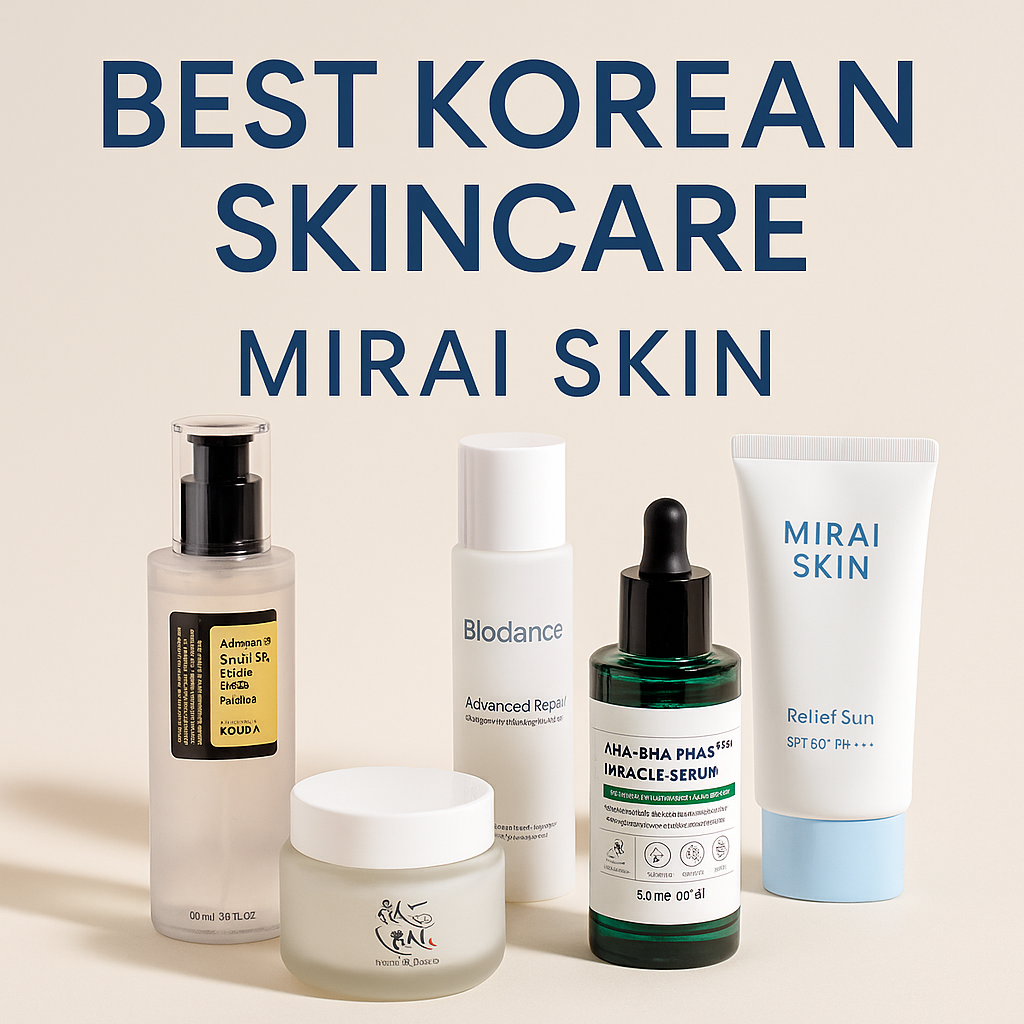
If you want a reliable place to explore Mirai skin, start with retailers that focus on authentic Korean skincare and clear product sourcing. A curated store with verified distributors makes it easier to compare ingredient lists, spot vegan-friendly options, and build a routine that fits both your skin and your budget.