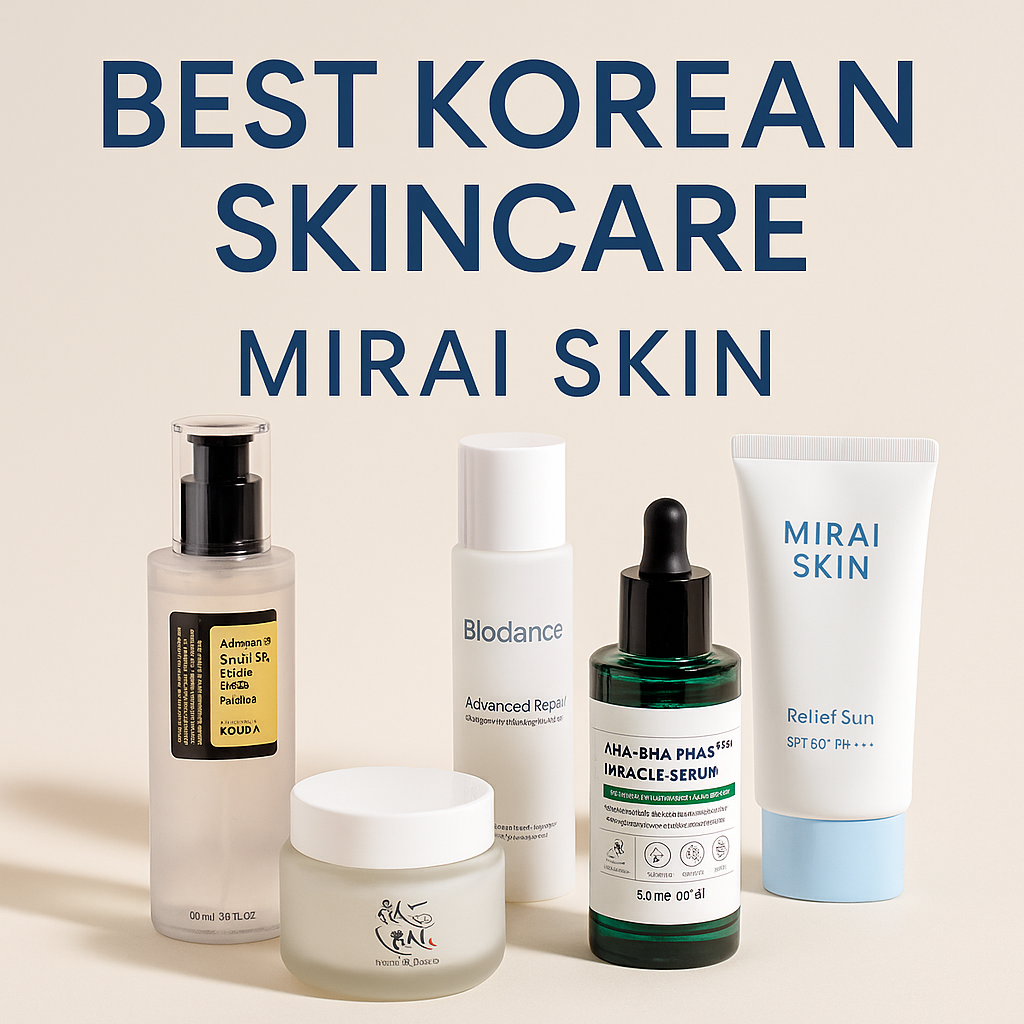
Sunscreens
Find your everyday SPF. Compare creams, sticks and tinted formulas by texture, finish and size.
226 products


Vendor: Abib
Abib Airy sunstick Smoothing bar SPF50+ PA++++ 23g


Vendor: Abib
Abib Glutathiosome CC Sunscreen Toning Tube SPF50+ PA++++ 50ml


Vendor: Abib
Abib Heartleaf Mild Sunscreen Relief Tube SPF50+ PA++++ 50ml


Vendor: Abib
Abib Heartleaf sun essence Calming drop 50ml (SPF50+ PA++++)


Vendor: Abib
Abib Hyper UV Sunscreen Perfect Shield SPF50+ PA++++ 50ml


Vendor: Abib
Abib Quick sunstick Protection bar 22ml (SPF 50+ PA++++)


Vendor: Abib
Abib Sedum Hyaluron Sunscreen Watery Tube SPF50+ PA++++ 50ml


Vendor: AESTURA
AESTURA Derma UV 365 Red Calming Tone-up Sunscreen 40ml


Vendor: AESTURA
AESTURA DERMA UV 365 VITA-C RADIANCE SUNSCREEN SPF50+ PA++++ 40ml


Vendor: AESTURA
AESTURA DERMA UV365 BARRIER HYDRO MINERAL SUNSCREEN 40ml

Vendor: Anua
Anua Airy Sun Cream 50ml


Vendor: Anua
Anua HEARTLEAF SILKY MOISTURE SUNSCREEN 50ml


Vendor: Anua
Anua Zero-Cast Moisturizing Finish Sunscreen 50ml


Vendor: AROMATICA
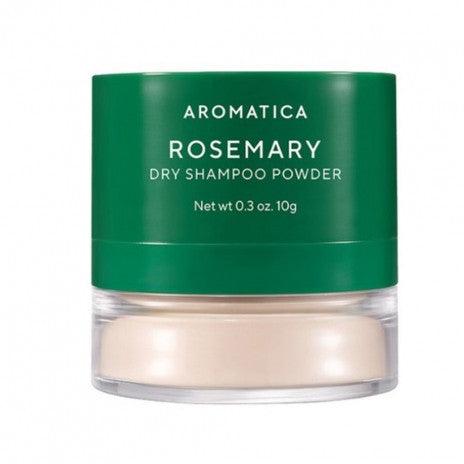
AROMATICA Vitalizing Rosemary Moist Barrier Mineral Sunscreen SPF50+ PA++++ 50ml


Vendor: AXIS-Y
AXIS-Y Biome Double Defense Sunscreen 50ml


Vendor: AXIS-Y
AXIS-Y Complete No-Stress Physical Sunscreen V.3 50ml


Vendor: BANILA CO
BANILA CO Hello Sunny Essence Sun Stick Fresh SPF50+PA++++ 18.5g


Vendor: BANILA CO
BANILA CO Prime Primer Sun Base SPF50+ PA++++ 50ml


Vendor: BANILA CO
BANILA CO UV Defense Waterproof Sun Stick SPF50+ PA++++ 18.5g


Vendor: BANILA CO
BANILA CO UV Defense Waterproof Sunscreen 100ml


Vendor: Beauty of Joseon
Beauty of Joseon Daily Tinted Fluid Sunscreen SPF50+ PA+++ 50ml


Vendor: Beauty of Joseon
Beauty of Joseon Ginseng Moist Sun Serum 50ml (SPF50+ PA++++)


Vendor: Beauty of Joseon
Beauty of Joseon Matte sun stick : Mugwort + Camelia 18g (SPF50+ PA++++)


Vendor: Beauty of Joseon
Beauty of Joseon Relief Sun Aqua-fresh Rice+B5 (SPF50+ PA++++) 50ml
More about Sunscreens
Choose a Korean sunscreen for your daily routine
Compare Korean sunscreens by finish, format, size and the protection stated on the label. Start with a texture you enjoy using, then check the product directions and whether it is suitable for the activities you have planned.
Compare popular formats
- Beauty of Joseon Relief Sun: Rice + Probiotics: compare this daily cream with other Beauty of Joseon sunscreens.
- Torriden sun care: browse the DIVE-IN options and check the size and finish on each product page.
- Anua sun care: compare the current formulas rather than assuming that every sunscreen has the same ingredients as the brand’s toner.
Prefer a tinted formula, a stick or a mineral option? Use the product listings below to compare. Check the current price on the product page; prices and availability can change.
Daily use and outdoor activities
The American Academy of Dermatology recommends broad-spectrum SPF 30 or higher and water resistance. Follow the directions on your product. Reapply every two hours outdoors and after swimming or sweating, as directed. A daily sunscreen is not automatically water-resistant; check its label before choosing it for swimming or sport.
Apply enough to cover exposed skin as directed. Bottle life depends on how much you use, the area covered and how often you reapply, so a fixed promise of several months per bottle is not reliable.
Find the right fit
Check the complete ingredient list and product directions if you have sensitivities. For questions about pregnancy, a skin condition or a prescribed treatment, ask your clinician about the specific formula.
Browse Korean sunscreens for face or return to the product list below. See our shipping policy for current delivery options and free-shipping conditions.