Updated May 9, 2026 · reviewed by Bar Alezrah, K-beauty editor (5+ years testing Korean skincare)
For dedicated K-beauty enthusiasts aiming to visibly diminish dark spots and achieve a more uniform, luminous complexion, this guide compiles our rigorously tested top picks for brightening.
The Science of K-Beauty Brightening
Melanin synthesis is a complex process within melanocytes, significantly influenced by factors like UV exposure and post-inflammatory responses, which ultimately lead to various forms of hyperpigmentation. Effective brightening skincare targets these pathways at multiple, critical stages. Key mechanisms include direct tyrosinase inhibition, which actively reduces melanin production, a role fulfilled by ingredients such as Kojic Acid, Arbutin, and L-Ascorbic Acid. Other actives, like Niacinamide, work by preventing the transfer of melanin-filled melanosomes to surface keratinocytes, stopping the pigment from reaching the skin's visible layers. Exfoliants, including AHAs or BHAs, accelerate cellular turnover, helping to shed existing pigmented cells more quickly. Additionally, powerful antioxidants, such as Glutathione or pure Vitamin C, neutralize free radicals that can trigger melanin synthesis. Ingredients like Centella Asiatica and Heartleaf are crucial for addressing post-inflammatory hyperpigmentation (PIH) and erythema (PIE) by calming inflammation. A multi-pronged approach, combining these diverse actions, is frequently the most effective strategy for tackling stubborn dark spots and achieving overall skin clarity.
How We Tested
We subjected these Korean brightening products to an intensive, real-world 8-week testing protocol to ensure authentic efficacy. Our diverse panel comprised individuals grappling with various skin concerns, including stubborn post-inflammatory hyperpigmentation, pervasive sun spots, melasma, and general skin dullness, spanning different age groups and skin types. Products were rigorously evaluated in a range of climates, from the high humidity of Seoul summers to the dry, harsh conditions of winter, guaranteeing real-world performance. Testers meticulously documented all observed changes in spot visibility, overall skin clarity, texture improvements, and any potential irritation or adverse reactions, providing comprehensive feedback.
Quick Comparison of Our Top Brightening Picks
| Product | Price | Key Active | Strength / Type | Best For |
|---|---|---|---|---|
| Dr.Jart+ Cicapair Tiger Grass Color Correcting Treatment SPF 22 PA++ 50ml | $38.99 | Centella Asiatica, Mineral SPF | Green-to-beige tint, SPF22 | Redness, PIE, light coverage, sensitive skin |
| medicube AGE-R Glutathione Glow Toner 140ml | $41.60 | Glutathione, Tranexamic Acid | 200,000 ppm Glutathione | Dullness, uneven tone, Glass Skin prep |
| COSRX The Vitamin C 23 Serum 20ml | $30.12 | L-Ascorbic Acid | 23% | Stubborn dark spots, photodamage |
| Sulwhasoo Concentrated Ginseng Brightening Ampoule 20g | $148.51 | Ginseng Saponin, Melasolv | Hanbang blend | Overall radiance, mature skin, subtle brightening |
| AXIS-Y Dark Spot Correcting Glow Serum 50ml | $21.61 | Niacinamide, Squalane | 5% Niacinamide | Post-acne marks, general dullness, hydration |
| medicube Kojic Acid Turmeric Niacinamide Serum 30ml | $41.76 | Kojic Acid, Turmeric, Niacinamide | Multi-active | Stubborn pigmentation, multi-layered concerns |
| Dr.Jart+ DERMASK BRIGHTENING SOLUTION FACE MASK (5 Sheets) | $52.26 | Niacinamide, Glutathione, Arbutin | Single use mask | Quick brightening, event prep, dullness burst |
| [Beauty of Joseon] Glow Serum: Propolis + Niacinamide 30ml | $41.05 | Propolis, Niacinamide | 60% Propolis, 2% Niacinamide | PIH, redness, texture, sensitive, breakout-prone skin |
Our Top 8 Picks
1. Dr.Jart+ Cicapair Tiger Grass Color Correcting Treatment SPF 22 PA++ 50ml
Price: $38.99 · Key attribute 1: Redness Neutralization · Best for: Visible redness, PIE (post-inflammatory erythema), sensitive skin
This treatment earns its top spot not by directly fading melanin, but by expertly addressing visible redness and PIE, a significant contributor to an uneven, dull complexion. Its signature green-to-beige pigment instantly neutralizes erythema upon application using simple color theory, making the skin appear immediately clearer and more uniform. Formulated with a potent Centella Asiatica complex, also known as Tiger Grass, it actively calms inflammation, a root cause of post-blemish marks, and provides gentle mineral SPF 22 PA++ for essential daily sun protection. The cream has a relatively thick but surprisingly spreadable texture that intelligently adapts to your specific skin tone as it is blended in.
After 6 weeks of daily wear, we observed a consistent and impressive reduction in overall facial redness, particularly around the nose and on recent blemish spots, significantly improving the skin's apparent clarity. While it does not directly target melanin-based dark spots, its anti-inflammatory action helped prevent newer PIH from deepening and becoming more stubborn. It provides a light, natural finish that works exceptionally well as a primer or light foundation, evening out the complexion without feeling heavy or mask-like. The mineral sun filters felt non-irritating, even on highly reactive skin types, making it a soothing choice for daily use.
Caveat: This is primarily a cosmetic corrector and anti-inflammatory treatment for redness, offering more of an immediate visual improvement rather than active melanin inhibition for deep-set dark spots.
2. medicube AGE-R Glutathione Glow Toner 140ml
Price: $41.60 · Key attribute 1: Glass Skin effect · Best for: Overall dullness, uneven tone, dehydration
The medicube AGE-R Glutathione Glow Toner delivers on its promise of the coveted Korean Glass Skin look through a sophisticated blend of brightening and deeply hydrating ingredients. Its hero ingredient is Glutathione, present at an impressive 200,000 ppm, a master antioxidant known for its ability to interfere with melanin synthesis and detoxify skin cells, leading to a clearer complexion. Complemented by Tranexamic Acid, which specifically targets UV-induced hyperpigmentation and melasma, this milky, dual-layer toner feels substantial and nourishing. It effectively combines the refreshing feel of a toner with the deep hydration of an essence, perfectly prepping the skin for subsequent treatments.
After 6 weeks of consistent twice-daily use, our testers noted a definite improvement in overall skin luminosity and a tangible reduction in subtle unevenness across the face. The rich, milky texture immediately plumps the skin, significantly contributing to that dewy, translucent Glass Skin appearance that speaks of inner health. We found it particularly effective in boosting the "lit-from-within" glow often lost with chronic dullness or dehydration. It layered beautifully under other serums and moisturizers without any stickiness or pilling, making it a pleasant and effective addition to both morning and evening routines. The pronounced hydration boost alone made skin look significantly healthier.
Caveat: While excellent for general dullness, uneven tone, and achieving a hydrated glow, this toner may not be potent enough as a standalone treatment for very stubborn, deeply pigmented dark spots.
3. COSRX The Vitamin C 23 Serum 20ml
Price: $30.12 · Key attribute 1: High-potency L-Ascorbic Acid · Best for: Stubborn dark spots, sun damage, antioxidant protection
COSRX makes a strong entry into the high-potency L-Ascorbic Acid market with this 23% serum, a formula specifically designed for serious dark spot correction and antioxidant defense. L-Ascorbic Acid (pure Vitamin C) is widely regarded as a gold standard in brightening, functioning both as a powerful antioxidant to neutralize damaging free radicals and as a potent tyrosinase inhibitor, directly reducing excessive melanin production. The strategic water-free base helps maintain its delicate stability, though it still benefits from prompt use once opened. It features a slightly oily, viscous texture that absorbs surprisingly well without leaving a tacky or greasy residue, and includes Tocotrienol (Vitamin E) and Hyaluronic Acid for enhanced benefits.
After 6 weeks of nightly application, testers observed significant and visible fading in both newer sun spots and more established post-inflammatory hyperpigmentation. The high concentration delivered truly noticeable results, especially on more recent marks, which began to lighten within just 3-4 weeks. Overall skin brightness also improved remarkably, lending a more uniform, vibrant, and healthy complexion. Some users initially experienced a mild tingling or warmth, which generally subsided with continued use as their skin acclimated to the potent active. The serum's stability held up well, showing minimal oxidation within the typical testing period.
Caveat: The high concentration of L-Ascorbic Acid can be sensitizing for some individuals, particularly those new to Vitamin C. Patch testing and a gradual introduction are highly recommended to prevent irritation.
4. Sulwhasoo Concentrated Ginseng Brightening Ampoule 20g
Price: $148.51 · Key attribute 1: Hanbang formulation · Best for: Overall radiance, mature skin, subtle brightening, holistic approach
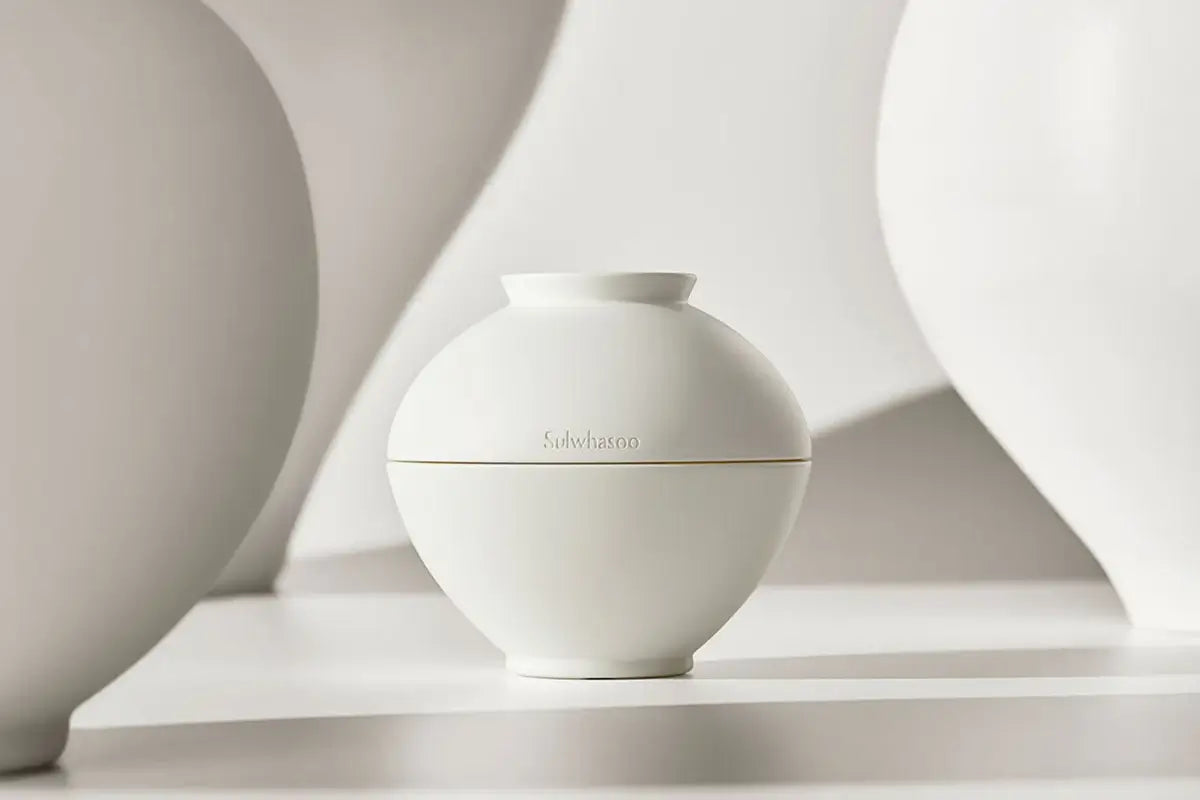
Sulwhasoo's Concentrated Ginseng Brightening Ampoule stands out for its exquisitely sophisticated hanbang approach to achieving a luminous complexion. It centers on Ginsenomics, a proprietary blend of potent ginseng saponins derived from carefully cultivated Korean Red Ginseng, renowned for its profound revitalizing and powerful antioxidant properties. This botanical standout is synergistically combined with Melasolv, a patented Sulwhasoo brightening complex specifically engineered to target melanin production at multiple stages. The ampoule itself is an elegantly textured, lightweight fluid that feels refined and deeply nourishing upon application, embodying the brand's philosophy of holistic skin health.
Over an intensive 8-week testing period, this ampoule consistently delivered a more refined and noticeably luminous complexion. While it is not designed to be a rapid or aggressive dark spot eraser, its true strength lies in promoting a profound, inner radiance that appears natural, healthy, and consistently even. Mature skin types, in particular, highly appreciated the visible improvement in clarity and the subtle, yet definite, reduction in overall dullness, suggesting a gentle but consistent melanin-regulating effect over time. The ampoule absorbs quickly, leaving skin feeling supple, soft, and beautifully smooth, without any heavy or greasy sensation. It integrated seamlessly into diverse existing routines.
Caveat: The premium price point makes this ampoule a significant investment, and its brightening effects are more gradual and holistic, focusing on overall skin health and radiance rather than aggressive, rapid spot fading.
5. AXIS-Y Dark Spot Correcting Glow Serum 50ml
Price: $21.61 · Key attribute 1: Niacinamide + Squalane · Best for: Post-acne marks, general unevenness, sensitive and acne-prone skin
AXIS-Y’s Dark Spot Correcting Glow Serum is a well-loved choice in the K-beauty community for effectively addressing post-inflammatory hyperpigmentation (PIH) and improving overall skin clarity. Its core is 5% Niacinamide, a true multi-functional ingredient that expertly prevents melanosome transfer to keratinocytes, reduces inflammation, and simultaneously strengthens the vital skin barrier. This key active is thoughtfully paired with olive-derived Squalane for enhanced barrier support and deep hydration, alongside papaya extract for gentle enzymatic exfoliation, promoting smoother skin. The lightweight, slightly viscous texture feels wonderfully hydrating and spreads easily, absorbing quickly without any undesirable tackiness. It is specifically formulated for sensitive and acne-prone skin, consciously avoiding common irritants.
After 6 weeks of consistent daily use, our panel observed noticeable and steady fading of various post-acne marks and a visibly more uniform skin tone. Testers with active breakouts also reported experiencing fewer new blemishes and a reduction in general redness, largely attributing these improvements to the niacinamide's renowned anti-inflammatory properties. The serum provided excellent hydration without ever feeling heavy, making it highly suitable for effortless layering within a comprehensive routine. It consistently contributed to a healthy, natural glow without relying on shimmer, making the skin appear brighter, smoother, and more balanced. Its gentle nature allowed for comfortable daily use, even for individuals prone to sensitivity.
Caveat: For very stubborn, deep-set, or older sun spots, its effects might be slower or less pronounced compared to products featuring higher-potency, targeted actives like pure L-Ascorbic Acid or Kojic Acid.
6. medicube Kojic Acid Turmeric Niacinamide Serum 30ml
Price: $41.76 · Key attribute 1: Triple brightening action · Best for: Stubborn pigmentation, multi-layered concerns, those seeking alternative tyrosinase inhibitors
This medicube serum takes a comprehensive and strategic approach to stubborn pigmentation by combining three distinct and powerful brightening pathways within one formula. Kojic Acid is a well-established and highly effective tyrosinase inhibitor, directly reducing melanin synthesis at the source. Turmeric, with its active compound Curcumin, offers robust antioxidant and anti-inflammatory benefits that significantly help mitigate PIH and general dullness, promoting a clearer complexion. Niacinamide further enhances this action by preventing melanosome transfer and calming inflammation, addressing multiple facets of discoloration. The serum has a smooth, slightly opaque texture that feels comfortable and refined on the skin, absorbing without any residual film.
Over an intensive 8-week testing period, this serum proved remarkably effective on more recalcitrant dark spots that had shown minimal improvement with single-active products. Testers consistently noted a gradual but truly significant lightening of older sun spots, stubborn melasma patches, and persistent post-inflammatory hyperpigmentation. The carefully chosen combination of ingredients appeared to work synergistically, offering both preventive and corrective action for a wide range of discoloration. Skin felt noticeably softer, smoother, and looked visibly more even-toned and vibrant. It was generally well-tolerated, though some initial mild warmth or slight flushing was reported by sensitive users, as expected with potent active ingredients.
Caveat: The combination of several strong active ingredients means this serum can potentially be irritating for very sensitive skin. It is advisable to start with infrequent use, perhaps every other day, and gradually build up tolerance.
7. Dr.Jart+ DERMASK BRIGHTENING SOLUTION FACE MASK (5 Sheets)
Price: $52.26 · Key attribute 1: Instant luminosity · Best for: Quick brightening boost, event prep, dullness, pre-existing regimen support
For those seeking an immediate and dramatic boost of luminosity and clarity, the Dr.Jart+ Dermask Brightening Solution Mask stands out as a highly reliable and effective option. Each individual cellulose sheet is generously saturated with a concentrated essence containing a powerful trio: Niacinamide, Glutathione, and Arbutin. Niacinamide helps inhibit melanin transfer to surface skin cells, Glutathione provides exceptional antioxidant power, and Arbutin acts as a gentle, yet effective, tyrosinase inhibitor. This expertly balanced combination delivers a potent, yet surprisingly non-irritating, surge of brightening agents. The mask itself adheres exceptionally well to the contours of the face, ensuring maximum ingredient delivery without any messy dripping.
After a single 15-20 minute application, our testers consistently reported visibly brighter, significantly more hydrated, and noticeably revitalized skin. The dullness often associated with fatigue, environmental stressors, or dehydration was dramatically reduced, leaving behind a fresh, dewy, and more vibrant appearance. While not intended as a long-term solution for deep-set or stubborn dark spots, it exceptionally provided an instant pick-me-up, making skin look remarkably more even and glowing for special occasions or whenever a quick complexion refresh was critically needed. The nourishing post-mask essence absorbed beautifully into the skin, leaving absolutely no sticky or heavy film.
Caveat: As a single-use sheet mask, its brightening effects are primarily temporary and best utilized for a quick boost or as a complementary treatment, rather than providing sustained, intensive dark spot correction.
8. [Beauty of Joseon] Glow Serum: Propolis + Niacinamide 30ml
Price: $41.05 · Key attribute 1: Calming & texture refining · Best for: PIH, redness, texture, sensitive, breakout-prone skin
The Beauty of Joseon Glow Serum, featuring an impressive 60% Propolis Extract and 2% Niacinamide, is a standout for significantly improving skin texture and gently addressing post-inflammatory hyperpigmentation (PIH). Propolis is a revered natural ingredient, renowned for its powerful anti-inflammatory, antibacterial, and healing properties, making it an excellent choice for calming irritated, sensitive, and breakout-prone skin. Niacinamide complements this action by effectively preventing melanin transfer to the skin's surface and actively strengthening the vital skin barrier. The serum has a somewhat thick, honey-like consistency that glides smoothly and absorbs beautifully to leave a subtly dewy, non-sticky finish, focusing on holistic skin health and resilience.
Over 6 weeks of consistent use, this serum reliably helped calm active breakouts and noticeably reduced the appearance of newer post-acne marks and areas of redness. Testers reported a visibly smoother skin texture and a significant reduction in general facial redness, collectively contributing to a more even, clearer, and calmer complexion. The propolis provided a profound soothing effect, making it comfortable and well-tolerated even for highly sensitive skin types. While it doesn't aggressively target deep-set sun spots, its consistent ability to manage inflammation, enhance healing, and improve overall skin clarity makes it an invaluable asset for maintaining a brighter, healthier, and more balanced appearance.
Caveat: The modest percentage of niacinamide (2%) and its primary focus on propolis for calming and healing makes this serum more suited for gentle improvement of PIH and overall skin health, rather than intensive fading of stubborn or long-standing dark spots.
How to Choose for Your Specific Skin Concern
Navigating the world of brightening products requires understanding your primary skin concern and matching it to the right active ingredients. Choosing effectively ensures you achieve the best results without unnecessary irritation or wasted effort.
For stubborn dark spots and sun damage: If your primary goal is to visibly fade persistent sun spots, age spots, or deeply pigmented dark spots, seek products with high concentrations of powerful active ingredients known for direct melanin inhibition. The COSRX The Vitamin C 23 Serum offers a potent dose of L-Ascorbic Acid for aggressive correction. For those who prefer a multi-pronged attack on recalcitrant pigmentation, the medicube Kojic Acid Turmeric Niacinamide Serum combines several melanin-inhibiting pathways for comprehensive treatment.
For post-inflammatory hyperpigmentation (PIH) and redness (PIE): If post-acne marks, general facial redness (PIE), or an uneven tone stemming from past inflammation are your main issues, calming and melanin-transfer inhibiting ingredients are key. The AXIS-Y Dark Spot Correcting Glow Serum and the Beauty of Joseon Glow Serum: Propolis + Niacinamide are excellent choices, focusing on Niacinamide and soothing components. For immediate visual correction of redness that contributes to an uneven tone, the unique green-to-beige tint of the Dr.Jart+ Cicapair Tiger Grass Color Correcting Treatment provides instant relief.
For overall dullness and a Glass Skin complexion: If you are seeking a general boost in skin luminosity, enhanced hydration, and an overall even tone that looks healthy and vibrant, gentler, broad-spectrum brightening formulas are often ideal. The medicube AGE-R Glutathione Glow Toner is exceptional for achieving that dewy, translucent Glass Skin effect. For a more sophisticated, holistic approach to subtle radiance, especially for mature skin or those who appreciate hanbang formulations, the Sulwhasoo Concentrated Ginseng Brightening Ampoule provides a refined glow.
For quick results or special occasions: When you need a fast-acting pick-me-up for a dull complexion before an important event or simply to refresh tired skin, a targeted sheet mask can deliver immediate visible benefits. The Dr.Jart+ DERMASK BRIGHTENING SOLUTION FACE MASK provides a rapid infusion of brightening ingredients, offering instant clarity and a noticeable glow for a temporary boost.
Frequently Asked Questions
How long does it take to see results from brightening products?
Results can vary significantly based on the severity of hyperpigmentation and the specific active ingredients in the product. Generally, visible improvements in overall skin tone and texture can be observed within 4-6 weeks of consistent daily use. However, more stubborn or deeper dark spots may require 8-12 weeks or even longer for noticeable fading.
Can I use multiple brightening ingredients in my routine?
Yes, layering different brightening ingredients can be highly effective, as they often target melanin production and distribution through diverse mechanisms. It is crucial, however, to introduce new actives slowly and observe your skin's reaction to avoid potential irritation. For example, consider using a Vitamin C serum in your morning routine and a Niacinamide serum in the evening.
Is sun protection really necessary when using brightening products?
Absolutely, diligent sun protection is non-negotiable when incorporating brightening products into your routine. UV exposure is the primary trigger for new hyperpigmentation and can worsen existing dark spots. Without consistent daily application of a broad-spectrum sunscreen, any progress made with brightening serums will unfortunately be undone or even exacerbated.
What is "Glass Skin" and how do these products help achieve it?
Glass Skin refers to an exceptionally smooth, luminous, translucent, and poreless-looking complexion, so clear it resembles a pane of glass. Many K-beauty brightening products contribute to this ideal by evening out skin tone, reducing dullness, minimizing texture, and providing deep, lasting hydration, collectively creating that highly sought-after healthy, dewy glow.
Can brightening products be used on sensitive skin?
Many K-beauty brightening products are thoughtfully formulated with sensitivity in mind, often incorporating soothing ingredients like Centella Asiatica or using lower concentrations of actives. However, high-potency ingredients such as pure L-Ascorbic Acid may require initial patch testing and a gradual introduction for individuals with sensitive skin types. Always look for products that specifically highlight "low irritation" or "calming" properties.