What Causes Dark Circles and How Korean Skincare Helps
Dark circles are one of the most stubborn skin concerns, and one of the most misunderstood. Before reaching for any product, understanding why your under-eyes look dark can make the difference between a product that works and one that sits on your shelf collecting dust. Korean skincare excels here because K-beauty brands formulate targeted solutions for each type of dark circle, rather than offering a single generic eye cream.
Dermatologists generally classify dark circles into three categories:
Pigmented Dark Circles
These appear as brown or dark brown discoloration and are caused by excess melanin production in the under-eye area. They're more common in deeper skin tones and can be triggered by sun exposure, post-inflammatory hyperpigmentation, or genetics. The best Korean eye cream for dark circles of this type will contain brightening ingredients like niacinamide, arbutin, or vitamin C derivatives that inhibit melanin synthesis without irritating the delicate periorbital skin.
Vascular Dark Circles
If your under-eye area looks blue or purple, you're dealing with vascular dark circles. The skin beneath your eyes is thinner than anywhere else on your face, roughly 0.5mm compared to 2mm on your cheeks. This thinness allows blood vessels to show through, and poor circulation, lack of sleep, or allergies can make them more prominent. Caffeine-rich formulas and ingredients that strengthen capillary walls work well for this type.
Structural (Shadow) Dark Circles
Volume loss and hollowing beneath the eyes create shadows that mimic dark circles. As collagen and fat pads diminish with age, the tear trough deepens. Peptide-rich eye creams and formulas containing retinal or adenosine can help rebuild collagen and provide a subtle plumping effect over time.
Many people have a combination of two or all three types, which is why Korean eye creams often pack multiple active ingredients into a single formula. The K-beauty approach, gentle yet effective, layered and targeted, makes it particularly well-suited for treating such a sensitive area.
Key Ingredients to Look for in Korean Eye Creams
Korean cosmetic chemists have spent decades refining eye care formulations. Here are the powerhouse ingredients found in the best Korean eye cream for dark circles available right now:
Niacinamide (Vitamin B3)
A multitasker that inhibits melanosome transfer to reduce pigmented dark circles while simultaneously strengthening the skin barrier. At concentrations of 2-5%, niacinamide brightens the under-eye area without the irritation risk of hydroquinone. You'll find it in many Korean eye care products because of its excellent tolerability.
Retinal and Bakuchiol
Retinal (retinaldehyde) converts to retinoic acid more efficiently than retinol, boosting collagen production and cell turnover around the eyes. For those with sensitive skin, bakuchiol offers similar gene expression effects without the dryness or flaking. Both help thicken the thin under-eye skin to reduce the visibility of blood vessels beneath.
Caffeine
A vasoconstrictor that reduces blood pooling and puffiness almost immediately upon application. Caffeine also has antioxidant properties and can improve microcirculation over time. It's particularly effective for morning-after puffiness and vascular-type dark circles.
Peptides
Signal peptides like palmitoyl tripeptide-1 and copper peptides communicate with fibroblasts to ramp up collagen and elastin production. Newer Korean formulations use encapsulated peptide complexes that penetrate more effectively into the thin periorbital skin.
Ginseng Extract
A cornerstone of traditional Korean herbal medicine, ginseng contains ginsenosides that stimulate collagen synthesis, improve circulation, and provide potent antioxidant protection. Korean luxury brands have perfected the extraction of ginseng's active compounds for eye care.
Snail Mucin
Rich in glycoproteins, hyaluronic acid, and glycolic acid, snail mucin accelerates skin repair and provides deep hydration. It helps plump the under-eye area and supports the skin's natural regeneration process, perfect for addressing the structural component of dark circles.
8 Best Korean Eye Creams and Serums for Dark Circles
After testing dozens of formulas and analyzing ingredient lists, here are the standout Korean eye treatments for dark circles available right now. Each product excels at targeting specific types of under-eye darkness.
1. Beauty of Joseon Revive Eye Serum with Ginseng + Retinal
This serum has earned a cult following for good reason. Combining ginseng root water with encapsulated retinal, it addresses both pigmented and structural dark circles simultaneously. The lightweight texture absorbs quickly, and the retinal concentration is calibrated specifically for the eye area, strong enough to stimulate collagen without causing irritation. At its price point, it's arguably the best value in K-beauty eye care. Read our full review of the Beauty of Joseon eye serum here.
2. COSRX Advanced Snail Peptide Eye Cream
COSRX combined 72% snail secretion filtrate with five types of peptides in this rich yet fast-absorbing eye cream. The snail mucin provides intense hydration and repair while the peptide complex works on firming and reducing fine lines. It's an excellent choice for those dealing with dark circles accompanied by dryness and early signs of aging around the eyes.
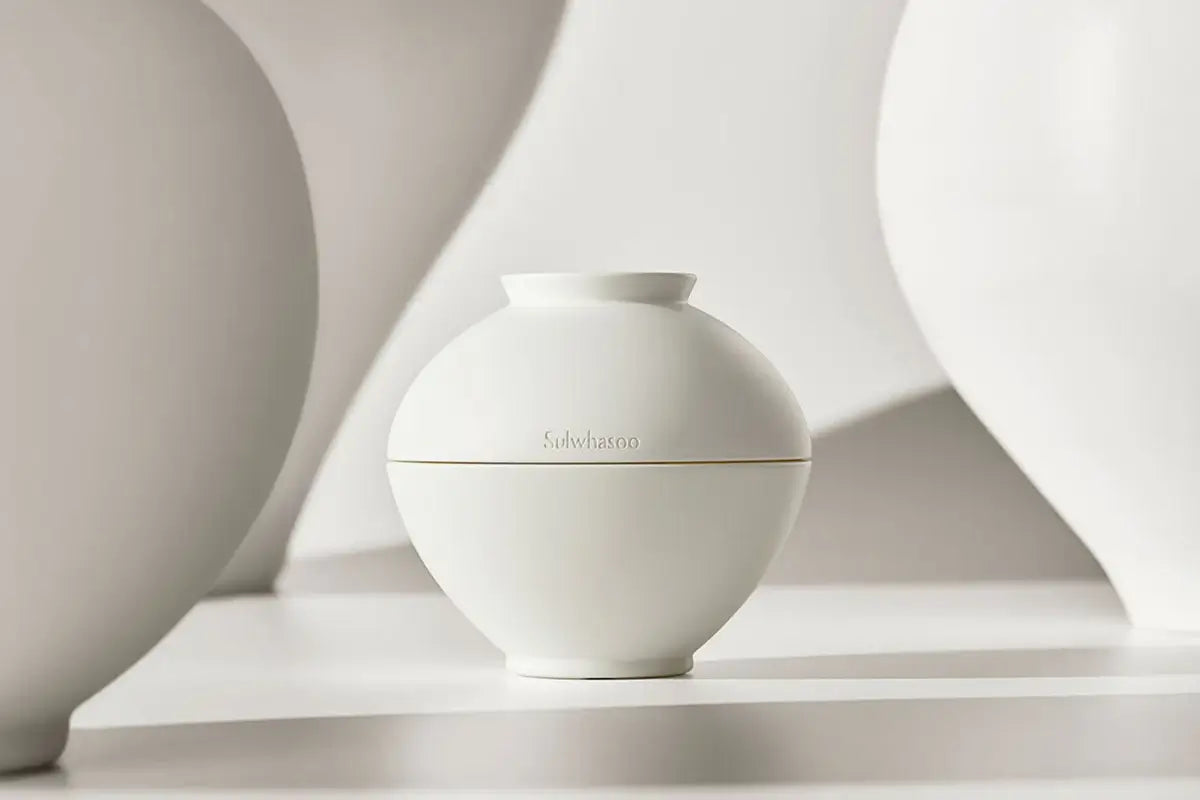
3. Sulwhasoo Concentrated Ginseng Renewing Eye Cream
The luxury pick on this list, Sulwhasoo's eye cream features their proprietary Ginsenomics technology, a compound extracted from rare Korean ginseng that has been aged and fermented. Clinical trials showed measurable improvement in wrinkle depth and under-eye firmness within four weeks. If your budget allows, this is an exceptional choice for mature skin dealing with structural dark circles.
4. SKIN1004 Madagascar Centella Eye Cream
For those with sensitive, reactive under-eye skin that's prone to both dark circles and irritation, this centella-based formula soothes while it treats. Centella asiatica's madecassoside and asiaticoside compounds calm inflammation (which can worsen vascular dark circles) while promoting collagen synthesis. The formula also includes niacinamide for brightening.
5. Missha Geum Sul Vitalizing Eye Cream
Infused with fermented gold and traditional Korean herbal extracts, Missha's eye cream focuses on improving microcirculation and providing antioxidant protection. It's a rich formula best suited for evening use, and users report visible improvement in under-eye brightness after 6-8 weeks of consistent application.
6. Innisfree Jeju Orchid Eye Cream
Innisfree harnesses the antioxidant power of Jeju orchid extract, shown in studies to have stronger free-radical-scavenging ability than vitamin E, combined with fermented soybean extract for brightening. This mid-range option works well for pigmented dark circles and provides enough hydration for dry under-eye skin without feeling heavy.
7. Torriden DIVE-IN Low Molecular Hyaluronic Acid Eye Cream
If dehydration is making your dark circles worse (and it often does, dehydrated skin appears thinner and more translucent), this hyaluronic acid-focused eye cream is a smart pick. Torriden uses five molecular weights of hyaluronic acid to hydrate at every level of the skin, immediately plumping the under-eye area and reducing shadow-type darkness.
8. Mediheal Collagen Eye Patch Serum
A hybrid between an eye cream and an eye patch treatment, this concentrated serum contains hydrolyzed collagen, caffeine, and adenosine. It works quickly to de-puff and brighten, making it a solid option for mornings when you need fast results. Keep it in the fridge for an extra depuffing boost.
How to Apply Korean Eye Cream for Maximum Results
Even the best Korean eye cream for dark circles won't deliver results if applied incorrectly. The under-eye area requires specific technique to avoid stretching or damaging the thin skin. Here's how to apply eye cream properly the Korean way:
The Ring Finger Technique
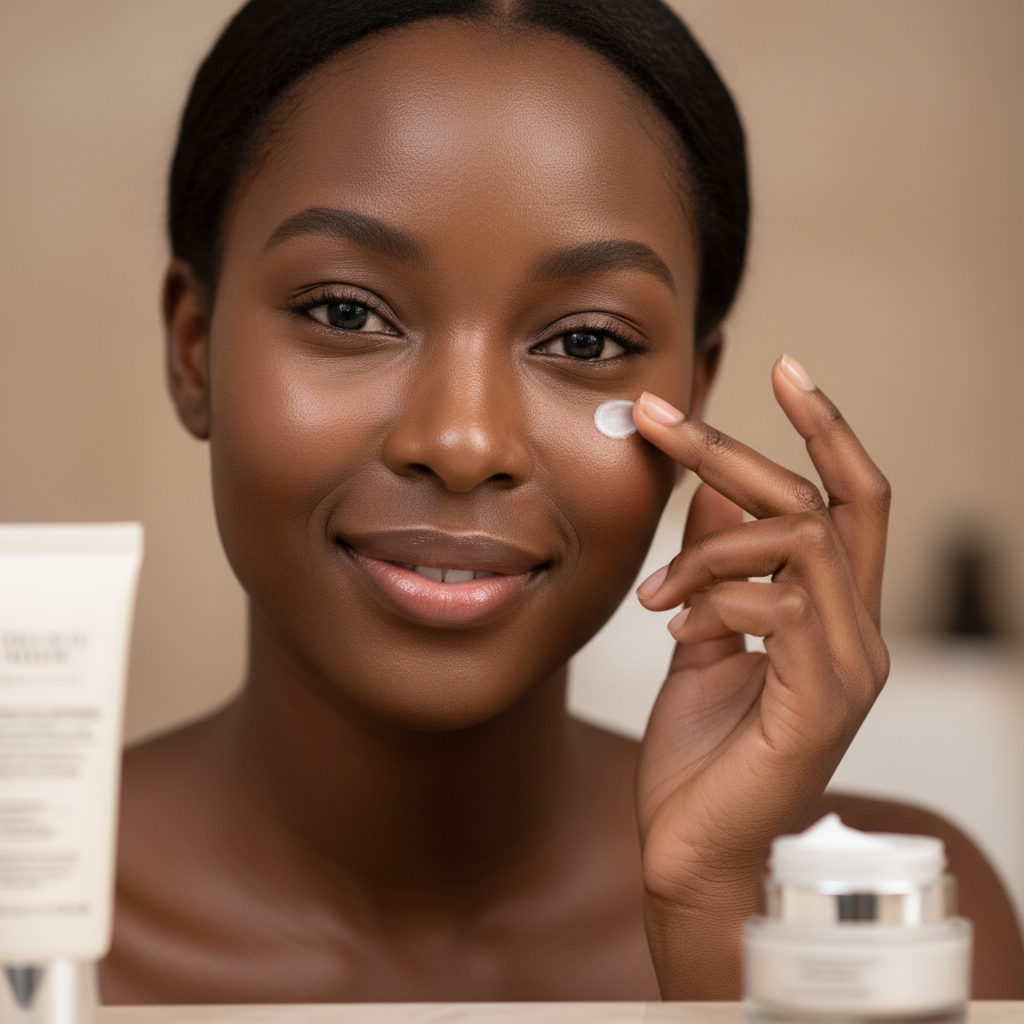
Always use your ring finger (fourth finger) to apply eye cream. It naturally applies the least pressure of all your fingers, which is exactly what the periorbital area needs. Your index and middle fingers press too hard for this delicate skin.
The Right Amount
Use a grain-of-rice-sized amount for each eye. More product doesn't mean better results, excess cream can migrate into your eyes and cause puffiness or milia (small white bumps). Korean skincare philosophy emphasizes appropriate amounts over excessive application.
Application Steps
- Dot, don't drag: Place small dots of product along the orbital bone, starting from the inner corner beneath the eye and continuing to the outer corner and up toward the brow bone.
- Pat gently: Using your ring finger, tap each dot softly into the skin. Don't rub or pull. The tapping motion stimulates microcirculation (which helps vascular dark circles) while pressing the product into the skin.
- Follow the bone: Stay on the orbital bone rather than applying product directly on the eyelid or too close to the lash line. Product migrates, so applying slightly away from the eye ensures coverage without irritation.
- Wait before layering: Give your eye cream 60-90 seconds to absorb before applying moisturizer or sunscreen over it.
Morning vs. Evening Application
Apply lightweight, caffeine-containing formulas in the morning for depuffing benefits. Save richer creams and retinal-based serums for nighttime when skin repair is most active. Using the best Korean eye cream for dark circles twice daily, with appropriate formulas for each, yields the fastest visible improvement.
Korean Eye Patches and Masks for Dark Circles
Eye patches (also called eye masks) are a K-beauty staple that complement your daily eye cream routine. These hydrogel or fabric patches deliver concentrated doses of active ingredients while providing a cooling, soothing effect.
How Eye Patches Work
Korean eye patches create an occlusive seal over the under-eye area, preventing evaporation and forcing active ingredients deeper into the skin. Most are infused with hyaluronic acid, collagen, niacinamide, or gold particles. They're especially effective as a weekly treatment or before special events when you need an immediate brightening boost.
Top Picks for Dark Circles
Look for patches containing caffeine and vitamin C for vascular dark circles, or niacinamide and arbutin for pigmented types. Gold-infused patches from brands like Petitfee and SNP have become iconic in K-beauty for their ability to brighten and firm simultaneously. Browse the full range of eye care treatments at Mirai Skin to find patches suited to your concern.
Usage Tips
- Apply patches to clean skin before the rest of your skincare routine, or after toner
- Leave on for 15-20 minutes (not longer, they can reverse-osmose moisture from your skin once dried)
- Pat remaining serum into the skin after removing; don't rinse it off
- Store patches in the refrigerator for extra de-puffing and soothing benefits
- Use 2-3 times per week for maintenance, daily if preparing for an event
Frequently Asked Questions
How long does it take for Korean eye cream to reduce dark circles?
Most users notice initial improvement within 2-4 weeks with consistent twice-daily application. Pigmented dark circles typically take 6-8 weeks for significant fading as melanin inhibition is a gradual process. Vascular dark circles may respond faster to caffeine-based formulas, sometimes showing improvement within days. Full results for structural dark circles require 8-12 weeks of peptide or retinal use as collagen rebuilding takes time.
Can I use retinol eye cream if I have sensitive under-eye skin?
Yes, but start slowly. Korean eye creams typically use lower concentrations of retinoids specifically calibrated for periorbital skin. Begin by applying every third night, then gradually increase frequency. If you experience persistent irritation, switch to a bakuchiol-based eye cream, it provides similar anti-aging benefits without the sensitization risk. Always apply sunscreen over the eye area during the day when using any retinoid.
Should I apply eye cream before or after moisturizer?
Apply eye cream before moisturizer. Following the Korean skincare principle of thinnest-to-thickest consistency, eye cream (which is typically lighter) should go on before your face moisturizer. This ensures the active ingredients in your eye cream can penetrate the skin directly rather than being blocked by a heavier cream layer. If your eye cream is richer than your moisturizer, reverse the order.
Are Korean eye creams safe to use on the eyelids?
Many Korean eye creams are formulated to be safe for the entire orbital area, including eyelids. However, products containing retinal, strong concentrations of vitamin C, or AHAs should be kept to the under-eye area and orbital bone only. Check the product instructions, Korean brands are generally very specific about recommended application areas. When uncertain, patch test on the outer orbital area first.
What is the difference between Korean eye serum and eye cream?
Korean eye serums have a lighter, more fluid texture and typically contain higher concentrations of active ingredients like retinal, peptides, or vitamin C. They absorb faster and work well under makeup. Eye creams are thicker, more emollient, and focus on hydration and barrier protection alongside active ingredients. For dark circles, many K-beauty experts recommend using an eye serum in the morning and a richer eye cream at night for comprehensive treatment.
![[Pyunkang Yul] Ultimate Calming Solution Cream 30ml](http://ai.mirai-skin.com/cdn/shop/files/product_images_1733971473.ultimatecream1741103643.jpg?v=1747730640&width=300)
![[Pyunkang Yul] Nutrition Cream 100ml](http://ai.mirai-skin.com/cdn/shop/files/product_images_1733971453.4da6414d851edc617900d8f8458b35451755093127_f59575ad-78d4-471f-8c4c-fe4ce2d211dc.png?v=1755100645&width=300)