You've probably done the usual blackhead routine already. A pore strip for the nose, a scrub that feels “clean,” maybe an acid toner used a little too often when the bumps won't budge.
Then the same congestion comes back.
That's where the blackheads oil cleansing method makes sense. In Korean skincare, cleansing isn't about forcing the skin into submission. It's about removing what doesn't belong there, while keeping the barrier calm enough to function well tomorrow, next week, and next month. That balance matters, especially if your blackheads sit alongside dehydration, redness, or reactive breakouts.
Done properly, oil cleansing can help loosen the mix of sebum, sunscreen, makeup, and debris that collects around pores. Done poorly, it can turn into rubbing, residue, and irritation. The difference comes down to product choice, technique, and restraint.
Why Oil Cleansing Works for Stubborn Blackheads
Blackheads are stubborn because they aren't just surface dirt. They're a compact mix of oil, dead skin, and daily residue sitting in the pore opening. Harsh foaming cleansers often remove surface oil well, but they don't always soften that compacted buildup in a gentle way.
Oil cleansing takes a different route. The core idea is simple: oil is effective at loosening oil-based buildup. That includes sunscreen, long-wear makeup, excess sebum, and the hardened residue that can make pores look congested. Instead of stripping the face first and dealing with tightness later, you start by melting down what's stuck.

The method became standardized for a reason
The oil cleansing method became widely discussed in the 2000s as a way to loosen hardened sebum and makeup residue, and a commonly described routine is to massage oil onto dry skin for 1 to 2 minutes before removing it with a warm, damp cloth, offering a gentler alternative to harsh foaming cleansers, as described in Acne.org's long-running oil cleansing method discussion.
That shift matters. Once oil cleansing stopped being treated like a niche trick and started being repeated as a routine, people began to use it more consistently and more gently.
Practical rule: If a cleansing method leaves your skin squeaky, hot, or shiny-tight, it's usually taking too much.
Why this fits Korean skincare philosophy
K-Beauty has always been strongest when it respects the barrier. Blackhead care isn't only about removing plugs. It's also about reducing the cycle where skin gets stripped, overcompensates, and stays inflamed.
A good oil cleanse supports that philosophy in three ways:
- It targets buildup directly by dissolving the substances most likely to cling to pores.
- It reduces the need for aggressive scrubbing that can leave the nose and chin red but not clearer.
- It prepares skin for the rest of the routine so toners, hydrators, and treatment steps go onto skin that's clean, not raw.
Oil cleansing isn't magic, and it isn't a guaranteed blackhead eraser. But as a repeatable, barrier-aware cleansing step, it's one of the smartest foundations for managing congestion over time.
Choosing the Right Oil Cleanser for Your Skin
Choosing an oil cleanser for blackheads starts with one practical question. After you rinse, does your skin feel clean and comfortable, or coated and tempted to compensate with scrubbing?
For congested skin, the best match is usually an oil cleanser that dissolves buildup well, emulsifies cleanly, and leaves the barrier calm enough for regular use. In Korean skincare, that balance matters more than chasing the strongest cleanse possible. Blackhead care works better when the routine lowers friction over time instead of creating a cycle of stripping and rebound oiliness.
DIY blends are still part of the oil cleansing conversation, and they can be a useful reference point. Common starting ratios include 1/2 teaspoon jojoba oil plus 1/2 teaspoon castor oil for oilier skin, or 1/2 teaspoon olive oil plus 1/2 teaspoon castor oil for drier skin. Traditional OCM discussions have also used a 50/50 castor oil and olive oil mix, with oilier skin sometimes increasing the castor oil ratio and dry skin doing the reverse, as described in the earlier Acne.org reference.
Read your skin before you read the label
Skin type gives you direction, but finish and rinse-off often decide whether a cleanser will work long term.
A person with oily skin may dislike a cleanser that disappears too fast because it encourages extra rubbing. A person with dry skin may like a richer texture at first, then wake up feeling stuffy through the nose and chin if too much residue stays behind. Sensitive skin often does best with fewer variables: simple formulas, no strong fragrance, and short massage time.
Here's a practical decision guide.
| Skin Type | Recommended Oils (High in...) | Properties & Benefits | Oils to Use with Caution |
|---|---|---|---|
| Oily or acne-prone | Lighter oils, often chosen for a more balanced feel | Can help loosen sunscreen, sebum, and debris without feeling overly heavy when removed properly | Richer oils that feel heavy or leave residue on your skin |
| Dry | More cushioning, richer oils | Help cleanse without making skin feel tight afterward | Very astringent-feeling blends if they leave skin taut |
| Combination | Balanced blends | Useful when the T-zone gets congested but cheeks still need comfort | Anything that feels too rich on the center of the face |
| Sensitive | Minimalist, fragrance-free formulas with simple rinse-off behavior | Lower chance of irritation when paired with brief massage | Essential-oil-heavy or highly fragranced formulas |
Skin type by skin type
Oily and acne-prone skin
Lighter textures usually perform better here. Jojoba is a common starting choice because it tends to feel less heavy than many pantry oils, while castor oil can add a more cleansing feel but may become too drying if the percentage climbs too high.
Useful features include:
- Fast spread with good slip, so fingers can glide without pressure
- Easy emulsification, so the cleanser turns milky and rinses without film
- Short ingredient lists, especially if breakouts and irritation overlap
Heavy, slow-rinsing oils can feel comforting for a minute, then leave behind the kind of residue that keeps blackhead-prone areas feeling congested.
Dry skin
Dry skin often prefers more cushion. Richer oils can reduce that tight, over-cleansed feeling and make nightly cleansing easier to stick with.
Still, comfort is not the only goal. If the cleanser leaves a layer that interferes with the rest of your routine, skin may feel soft on the cheeks but dull and blocked through the center of the face. In practice, dry skin often does best with a nourishing oil cleanser that still rinses cleanly.
If your cheeks feel relieved after cleansing but your nose feels crowded by morning, the formula may be too rich for your T-zone.
Combination and sensitive skin
Combination skin usually needs balance, not extremes. A well-formulated cleansing oil or balm with reliable rinse-off is often easier to control than a heavy DIY blend, especially when the forehead and nose need more cleansing than the cheeks.
Sensitive skin benefits from restraint. Fragrance, essential oils, and long massage sessions increase the chance of redness. The goal is to remove buildup with as little friction as possible, then let the barrier stay quiet.
DIY blend or formulated cleanser
DIY oils can teach you how your skin responds to weight, slip, and residue. They are inexpensive, simple, and useful for experimentation.
Formulated Korean cleansing oils usually offer better emulsifiers, more predictable rinse-off, and textures that make thorough cleansing easier without overworking the skin. For anyone wearing sunscreen daily or layering makeup, a well-formulated oil cleanser is easier to use consistently.
That trade-off is worth understanding. DIY gives control. Formulated cleansers usually give better user experience and fewer removal problems.
The right choice is the one that keeps your pores clearer without making your skin feel punished. Sustainable results come from a cleanser you can use gently, rinse fully, and repeat for months without upsetting the barrier.
Your Step-by-Step Oil Cleansing Ritual
You get home, wash your face, and your skin looks clean. By morning, the nose still feels bumpy and the chin looks congested again. In practice, the difference is often technique, not effort.
Oil cleansing works best as a controlled ritual. The goal is to loosen oxidized sebum and daily buildup while keeping the barrier calm enough to tolerate this routine for the long term.

Begin with dry hands and a dry face
Apply your cleanser to completely dry skin. Water gets in the way too early and reduces the slip that helps oil bind to sunscreen, makeup, excess sebum, and the oxidized material sitting in pores.
Warm the cleanser in your palms, then press it across the face before you start massaging. Cover the forehead, cheeks, nose, chin, and jaw first. This spreads the product evenly and helps you avoid overworking the areas that already look congested.
Massage with a light, steady hand
Keep the massage brief and gentle. For most skin, about a minute is enough. Longer is not automatically better, especially if your skin flushes easily or your barrier is already stressed.
Use the pads of your fingers and make small circles with almost no pressure. Start broadly, then spend a few extra passes on the nose, sides of the nose, chin, and central forehead. Those areas usually hold the most visible congestion, but they also get irritated first when people chase instant results.
A simple rhythm works well:
- Coat the whole face first: Let the cleanser distribute before targeting any one zone.
- Focus on clogged areas second: Give the T-zone a little more attention without pressing harder.
- Stop before the skin feels hot or pink: Warmth and redness are signs to ease up, not continue.
During massage, you may feel small bits of loosened residue or a smoother surface as hardened oil softens. That can happen. It should not become the standard you try to force every night.
Here's a useful demonstration of oil cleansing technique and texture in motion:
Emulsify before you rinse
This step determines whether the cleanse finishes cleanly or leaves a film behind.
Wet your hands with a little lukewarm water and massage again. If your cleanser is properly emulsified, it should turn milky and lighter in texture. That change helps lift the oil and the debris suspended in it so they rinse off instead of settling back onto the skin.
If you are using a plain oil blend without emulsifiers, remove it with a soft, warm washcloth. Press the cloth onto the skin for a moment, then wipe gently. Keep the motion light. Repeated rubbing can create irritation that looks like a breakout a day or two later.
A good oil cleanse leaves skin soft, clear, and comfortable.
Watch your skin, not just the clock
K-Beauty cleansing philosophy is less about aggressive extraction and more about repeatable balance. One careful cleanse done consistently will usually do more for blackheads than occasional long massage sessions that leave the skin tight or reactive.
If the skin feels supple and calm after rinsing, the method is in the right range. If it feels greasy, you likely need better emulsification or more thorough removal. If it feels stripped, shorten the massage time or use a gentler touch.
Completing the Routine with a Double Cleanse
A proper K-Beauty cleanse rarely ends with oil alone. Oil is excellent at dissolving oil-based residue, but a second step is generally beneficial to clear away what the first cleanse has lifted.
Double cleansing earns its place. The oil cleanser handles sunscreen, makeup, excess sebum, and the day's grime. The water-based cleanser removes leftover film, sweat, and whatever remains on the skin's surface after rinsing.
Why the second cleanse matters
If you stop after oil and the residue isn't fully removed, you can end up with a coated feeling that some people mistake for “nourished.” In reality, that leftover film can make skin feel heavy and can complicate the rest of the routine.
The second cleanse should not undo the gentleness of the first. Choose a cleanser that feels clean-rinsing but not stripping.
Look for:
- Gel cleansers if your skin leans oily or you live in a humid climate
- Cream or lotion cleansers if your skin dehydrates easily
- Low-foam formulas when redness and barrier sensitivity are part of the picture
What works and what doesn't
What works is pairing an oil cleanse with a mild, low-drama cleanser that disappears with water and doesn't leave the face tight.
What doesn't work is following a careful oil cleanse with a harsh foam that makes your skin feel “squeaky.” That defeats the point. You've just loosened congestion while trying to preserve barrier integrity. Don't erase that progress in the next step.
Double cleansing isn't about cleansing harder. It's about cleansing more completely, with less irritation.
If your skin is blackhead-prone, this two-step approach is often where the routine starts to feel cleaner and more predictable. The pores don't need punishment. They need thorough removal of buildup, followed by calm skin behavior afterward.
Common Oil Cleansing Mistakes to Avoid
Most oil cleansing failures come from technique, not from the concept itself. People rush the removal, choose a texture that doesn't suit them, or turn cleansing into a friction-heavy treatment.
This quick visual sums up the most common errors.

Mistakes that create more congestion
Some problems are easy to fix once you know what to watch for.
- Applying oil to a wet face: This weakens the first contact between oil and oil-based residue.
- Skipping emulsification: If the cleanser is designed to turn milky and you rinse too early, you may leave more behind than you realize.
- Using water that's too hot: Heat can make the cleanse feel more “effective,” but it often leaves skin flushed and more reactive.
- Choosing an overly heavy oil: A thick, persistent film can feel luxurious while making your T-zone feel more congested.
The skin gritting myth
One trend deserves direct pushback: long massage sessions marketed as “skin gritting.”
Contrary to the skin gritting trend that promotes 10 to 15 minute massage sessions, dermatology-adjacent advice warns that prolonged friction can over-exfoliate and irritate the skin barrier, and for safety, especially on sensitive or acne-prone skin, massage should be limited to about a minute, as explained in Porcelain Skin's discussion of whether oil cleansing removes blackheads.
That matters even more if you have rosacea, eczema, or inflamed acne. Those skin types don't need endurance cleansing. They need a shorter contact time and less rubbing.
If a method asks your skin to tolerate repeated friction for far longer than a standard cleanse, treat that as a warning sign.
The expectation problem
Another mistake is expecting instant visual change. Blackheads don't disappear because a cleansing oil felt satisfying one night. Oil cleansing is a support step. It helps reduce the residue and compacted buildup that contribute to congestion, but it works best as part of a consistent routine.
A healthier expectation looks like this:
- Use oil cleansing regularly: Make it part of your evening routine rather than an occasional rescue move.
- Judge by skin behavior: Look for less roughness, easier makeup removal, and calmer pores over time.
- Pair it with sensible aftercare: Cleansing alone rarely solves recurring congestion.
That's the difference between a trend-driven experiment and a routine your skin can live with.
Post-Cleanse Care for Lasting Results
What you do after cleansing decides whether your skin stays balanced or swings back into dehydration and re-congestion. Once the face is clean, move quickly into hydration.
A watery toner or essence works well here, especially if it focuses on comfort rather than sting. Ingredients such as Centella Asiatica and panthenol fit beautifully after an oil cleanse because they support a calmer, less reactive feel. If your skin gets tight easily, layer hydration while the skin is still slightly damp.
Keep the finish light and steady
For blackhead-prone skin, the best post-cleanse routine is usually simple:
- Hydrate first: Use a light toner or essence to replace water, not heavy residue.
- Seal appropriately: Pick a moisturizer that matches your skin's needs without smothering the T-zone.
- Exfoliate carefully: On alternate nights, gentle options like PHAs or betaine salicylate can help reduce recurring congestion without turning the routine into a stripping cycle.
If you're using stronger acne actives elsewhere in your routine, keep the cleansing side extra gentle. That balance is one of the most useful Korean skincare lessons. You can treat concerns without making every step aggressive.
The blackheads oil cleansing method works best when you stop treating blackheads as a one-night extraction problem. Clean thoroughly. Protect the barrier. Repeat calmly. That's how pores tend to look clearer and behave better over time.
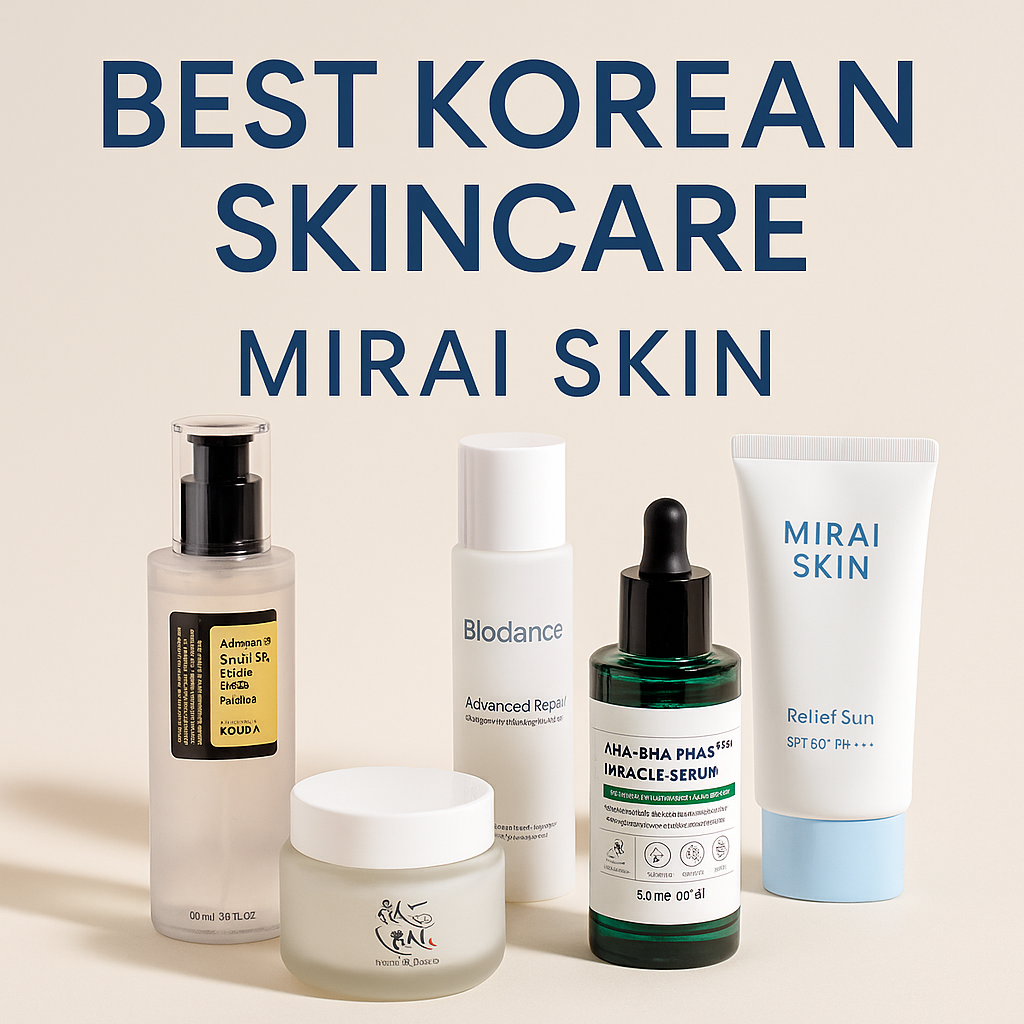
If you're building a more refined Korean skincare routine for congestion-prone skin, browse Mirai skin for authentic K-Beauty cleansers, hydrating toners, essences, and barrier-supportive moisturizers that fit a gentle double-cleansing approach.