Most advice about collagen masks gets the main claim backward. They're often sold as if they replace the collagen your skin loses with age, but that isn't the most honest way to describe what they do.
Collagen facial mask benefits are less magical and more useful. A good mask can flood the outer layers of skin with moisture, reduce water loss, improve surface smoothness, and make skin look fresher, bouncier, and less creased for a period of time. That may sound modest compared with “collagen boosting” marketing, but it's exactly why these masks remain a staple in K-Beauty routines.
Korean skincare tends to handle this category best when it treats collagen masks as hydration and barrier-support tools, not miracle anti-aging shortcuts. That distinction matters. It helps you choose better formulas, set better expectations, and get results you can see.
The Truth About Collagen in Skincare
If you use a collagen mask expecting it to build brand-new collagen deep in the skin, you'll probably be disappointed. A dermatologist has noted that the effect from a collagen mask is largely limited to hydration and improved elasticity from moisture, while its ability to stimulate collagen in the skin is quite limited in this dermatologist discussion on collagen masks.
That doesn't mean collagen masks are pointless. It means the honest benefit is different from the headline claim.
What most people get wrong
Consumers often hear “collagen” and assume the product will act like a direct refill. Skin biology doesn't work that neatly. Topical collagen in a mask doesn't travel into the dermis and rebuild structural support where age-related collagen loss happens.
What you usually see instead is a surface-level improvement that can still be meaningful:
- Plumper-looking skin from concentrated hydration
- Softer texture because dry, rough surface cells swell with moisture
- Less visible fine lines when dehydration lines become less obvious
- More glow when a smoother, better-hydrated surface reflects light more evenly
Practical rule: Judge a collagen mask by how well it hydrates, cushions, and calms the skin, not by whether the packaging promises “new collagen.”
Why this matters in K-Beauty
K-Beauty enthusiasts are usually already ingredient-literate. You know the difference between niacinamide for tone, retinoids for turnover, and ceramides for barrier support. Collagen masks belong in that same practical framework.
Think of them as a treatment format, not a fantasy ingredient story. The sheet, hydrogel, or native collagen material sits closely against the skin, slows evaporation, and helps keep the formula in contact with the surface. That's why they're popular before events, after flights, after sun exposure, or anytime skin looks tired and depleted.
The most credible collagen facial mask benefits come from hydration, barrier support, and visible short-term smoothing. Once you understand that, the category makes much more sense.
How Collagen Masks Actually Work on Your Skin
A collagen mask works best when you think of it as a temporary moisture seal. It doesn't need to rebuild your dermis to improve how your skin looks by the time you remove it.

The high-humidity effect
When a mask sits flush against your face, it creates a mini humid environment over the epidermis. That matters because water escapes from skin all day. A well-fitting mask slows that escape and gives humectants, emollients, and soothing agents more time to stay where they're useful.
That's why the after-effect often looks dramatic even when the mechanism is simple. Skin that was tight or dull can look more elastic and reflective once it's thoroughly hydrated.
The mask acts like a greenhouse for your face, trapping moisture close to the surface, reducing evaporation, and allowing the formula to stay in contact with the skin longer than a serum alone.
What the plumping really is
“Plumping” sounds like a structural anti-aging claim, but in this context it's usually a hydration effect. When the outermost skin layers take up water, they look smoother and less collapsed. Fine dehydration lines become less noticeable, and the skin surface feels springier.
That's also why collagen masks pair so well with formulas that include familiar K-Beauty support ingredients such as:
- Hyaluronic acid, to bind water at the surface
- Ceramides, to support barrier function
- Panthenol, to reduce that stripped feeling
- Niacinamide, when the formula also targets tone and barrier balance
Why fit and material matter
Not every sheet mask creates the same contact. A flimsy sheet with air pockets won't perform like a mask that hugs the face evenly. Better adhesion means more uniform hydration and less early drying around the cheeks, jawline, and nose.
That's one reason advanced Korean mask formats stand out. The material itself can influence how evenly the formula stays on the skin and how comfortable the experience feels.
A collagen mask is most convincing when your skin feels less tight, looks less dull, and holds onto that cushioned feel after the mask comes off.
The key confusion to avoid is this: improved elasticity after a mask doesn't necessarily mean dermal remodeling. It often means the skin is better hydrated, so it behaves and appears more supple.
Proven Collagen Mask Benefits Versus Marketing Myths
The biggest myth in this category is also the most persuasive one. A collagen mask sounds as if it should add collagen back into the skin the way grout fills a crack. Skin does not work like that. What you usually see after masking is the result of better water retention at the surface and a calmer, better-supported barrier.

That distinction matters because it changes how you judge a product. If you expect a sheet mask to rebuild your dermis in one session, every claim starts to sound disappointing. If you judge it by hydration, comfort, reduced tightness, and smoother-looking texture, the category makes much more sense.
A simple fact-versus-myth view
| Claim | What the evidence supports |
|---|---|
| Collagen masks replace lost collagen | The better-supported benefit is improved hydration and barrier support at the skin surface |
| Any collagen mask works the same | Sheet material, formula design, fit, and contact time can change results noticeably |
| Results are only a spa-like feeling | Some formulas produce measurable improvements in hydration, elasticity, and visible skin smoothness |
| Wrinkle improvement means permanent anti-aging | Short-term wrinkle softening usually reflects better hydration and a less rough skin surface |
What has been shown
Clinical testing on some collagen-based masks has reported improvements in hydration, firmness, elasticity, visible wrinkle appearance, and transepidermal water loss after regular use. Those outcomes fit the mechanism K-Beauty formulators talk about behind the scenes, even when marketing copy gets louder than the science. Skin that holds water better tends to look fuller, reflect light more evenly, and feel less fragile.
A useful way to read those results is to separate appearance from structure. If a raisin sits in water, it expands and looks smoother. Human skin is far more complex than that, but the visual principle is similar. Better hydration changes how the outer layer behaves. It does not mean the mask rebuilt deeper collagen stores overnight.
The myths worth ignoring
Some claims fall apart once you ask a basic follow-up question.
-
“It fills wrinkles with collagen.”
A mask can soften the look of fine lines by increasing water content in the stratum corneum. That is a surface effect, not literal filling. -
“Collagen on the label is enough.”
Ingredient names alone tell you very little. A well-made mask depends on the whole system: humectants, barrier-supporting ingredients, film formation, adhesion, and whether the sheet keeps the formula evenly in contact with the skin. -
“A tight after-feel means firming.”
Sometimes it means the opposite. Drying films can leave skin feeling pulled or stiff. Healthy post-mask skin usually feels cushioned, comfortable, and flexible.
One practical filter helps here. If a product page talks only about “replacing collagen” and says little about hydration, water loss, soothing, or barrier support, the brand is probably selling a fantasy instead of explaining a mechanism.
What results should you realistically expect
For many users, the most believable benefits show up fast. Skin often looks more refreshed, dehydration lines appear softer, and makeup sits more evenly. A soothing formula may also reduce the look of redness, especially if dryness and irritation were making the skin appear blotchy.
Longer-term results depend on repeat use and formula quality. A collagen mask works best as a support step in a routine that already includes cleansing, moisturizing, and daily sunscreen. Used that way, it earns its place. Not because it performs magic, but because it helps the skin stay hydrated, comfortable, and visually smoother in a way that is both noticeable and realistic.
The Advanced Technology in Korean Collagen Masks
A collagen mask earns its keep through engineering, not through the fantasy of pushing whole collagen into living skin. The actual question is simpler and more useful. How well does the mask keep water at the surface, reduce evaporation, and leave the barrier calmer than it started?

Why Korean formulations often stand out
Korean mask development tends to treat the sheet itself as part of the formula. That matters because a mask is a delivery system, not just a fabric carrying serum. If the material lifts at the jawline, dries too fast, or feels irritating after ten minutes, the formula cannot do much.
The better Korean masks usually focus on three linked jobs:
- Keeping water in close contact with the stratum corneum
- Creating even adhesion across curved areas of the face
- Supporting comfort so the barrier feels less stressed after wear
That combination is why some masks feel plush and cooling while others feel like damp paper. The difference is often substrate design, fluid retention, and how the mask behaves over the full wear time.
Why material choice changes performance
Mask material shapes the whole experience. Cellulose, hydrogel, bio-cellulose, and native collagen do not sit on skin the same way. Some hold a lot of essence but lose contact around facial contours. Others mold more closely, slow water loss better, and maintain a more uniform microenvironment on the skin surface.
A simple analogy helps here. A loose cotton towel and a fitted compress can both be wet, but they do not keep moisture against skin equally well. Face masks work the same way. Better contact usually means more even hydration and less patchy drying.
What newer collagen-sheet research suggests
A 2024 Journal of Cosmetic Dermatology paper examined native collagen sheet technology and reported better hydration, improvement in eye-wrinkle volume, reduced UV-induced erythema versus comparator products, maintenance of skin microbiome diversity, and a lower skin-surface pH in this Journal of Cosmetic Dermatology article on native collagen sheet technology.
Those findings matter because they point to mechanism, not mythology. The benefit appears to come from how the sheet forms a hydrated, skin-compatible treatment layer and supports the surface environment. That is much more believable than claims about replacing your skin's collagen from the outside.
What advanced really means on a product page
“Advanced” should describe function you can understand. In this category, that usually means close adhesion, slower drying, comfortable wear, and a formula that leaves skin less reactive afterward.
Useful signs include:
- A clearly described sheet material, not just “collagen” in large type
- An explanation of fit or occlusion, because contact quality affects results
- Barrier-supportive formula design, such as humectants and soothing components working alongside the sheet
- Comparative testing, especially against standard sheet materials
This is also where Korean formulation culture has an edge. Many K-Beauty brands treat sensory feel, fit, and wear stability as technical problems to solve, not just packaging details. For a product category built around temporary hydration and barrier support, those details are the product.
What this means when you shop
A well-designed collagen mask should feel like a moist second layer of skin, not a slipping fabric that dries at the edges. If a brand only talks about “feeding collagen” to the face, it is skipping the part that predicts performance.
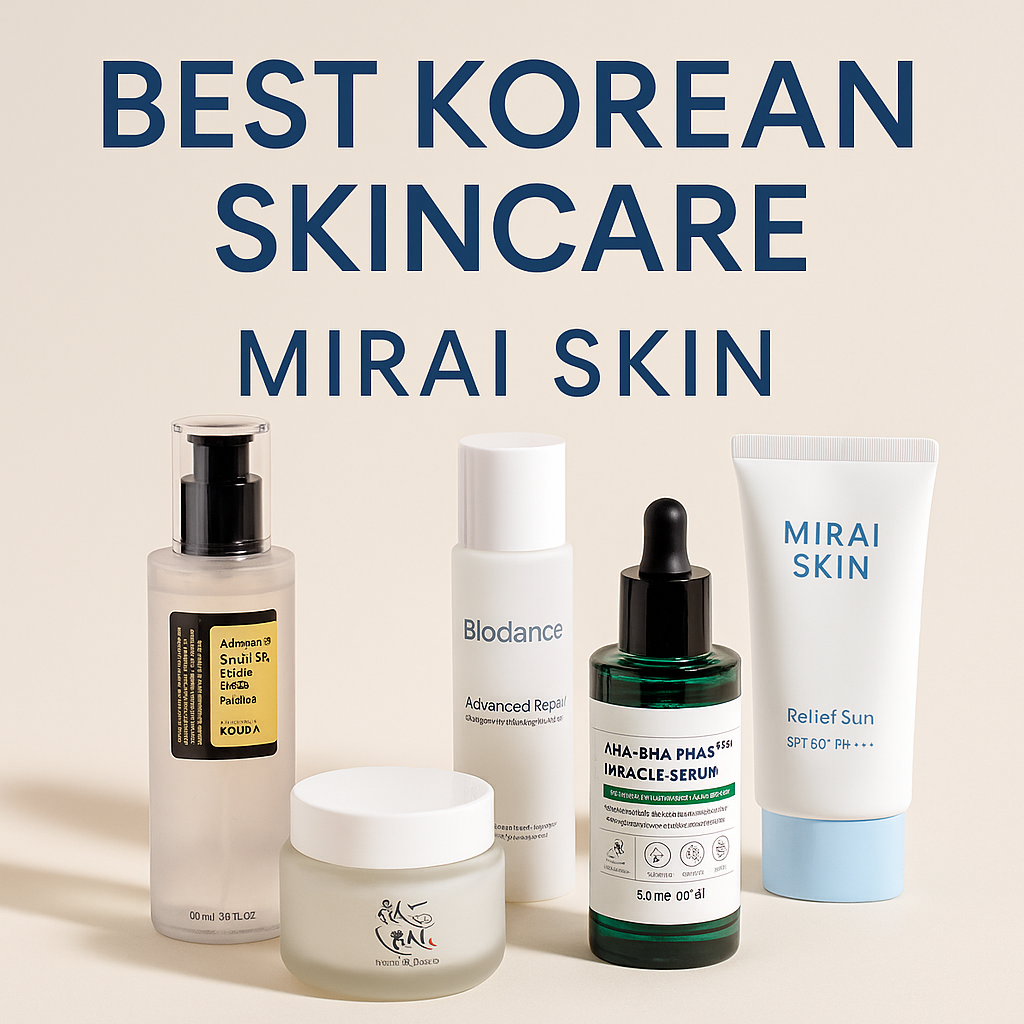
If you are comparing options across brands, Mirai Skin is one example of a retailer focused on authentic Korean skincare, which can make it easier to compare different mask formats and ingredient systems side by side.
How to Maximize Your Collagen Mask Results
A collagen mask works best when you treat it as a hydration device, not a shortcut to building new collagen in the skin. The goal is simple. Keep water at the surface long enough for skin to look smoother, feel calmer, and lose less moisture afterward.

Start with a clean, slightly damp canvas
Any leftover sunscreen, foundation, or excess sebum creates gaps between the mask and your skin. That matters because sheet masks do their job through even contact. If parts of the sheet lift away, those areas dry faster and get less benefit.
After cleansing, you can use a light hydrating toner or essence if your skin feels tight. Keep it minimal. Skin should feel clean and lightly hydrated, not coated in multiple layers that make the mask slide.
Fit matters more than extra minutes
Press the mask into place from the center outward. Pay attention to the sides of the nose, around the mouth, and along the jawline. Those are the areas where lifting usually starts.
A close-fitting mask works like a temporary lid over a glass of water. It slows evaporation so humectants and film-forming ingredients can hold moisture against the skin for longer. If the sheet bunches, wrinkles, or slips downward, fix it in the first minute. Bad contact usually gives patchy results.
Take it off while it is still moist
Longer wear does not automatically mean better results. Once the sheet starts to dry, the comfortable occlusive effect drops off, and the finish is often less plush than people expect.
A simple rule works well:
- Remove the mask while it still feels damp
- Press the remaining essence into the skin
- Apply moisturizer soon after
That last step is the part many people skip. The mask gives you a short burst of hydration. Your cream or gel helps keep that water from escaping too quickly, which is where much of the visible benefit comes from.
A video demo can help if you want to refine technique and timing:
Use masks with a schedule, not just in emergencies
Collagen masks are often used as event prep, but their best results usually come from repetition. One application can make skin look fresher and feel softer. Regular use is what helps keep dehydration, roughness, and post-cleansing tightness from bouncing back so quickly.
As noted earlier, clinical research on repeated collagen-mask use found improvements after both immediate and longer-term use. The useful takeaway is practical. A good mask supports your routine best when you use it consistently enough for hydration and barrier comfort to add up over time.
Better mindset: Use a collagen mask as maintenance for dehydrated, stressed, or temporarily reactive skin, not as a rescue product expected to do everything at once.
A routine that gets better results
-
Cleanse thoroughly
Remove residue so the sheet can sit flush against the skin. -
Add a light hydrating layer if needed
This helps dry skin feel more comfortable before masking. -
Adjust the mask carefully
Smooth out gaps early, especially around mobile parts of the face. -
Remove it before the sheet loses moisture
Do not wait for a dry, tight feel. -
Seal with moisturizer
This helps extend the hydrated, cushioned finish.
If you use retinoids, exfoliating acids, or strong vitamin C formulas, place your collagen mask on recovery nights. That usually gives a better result than stacking it on top of an already intensive routine.
How to Choose the Right K-Beauty Collagen Mask
A good collagen mask is easier to spot once you stop treating the word collagen as the main event. The useful question is simpler. Does this formula help the skin hold water, feel less tight, and stay comfortable after the mask comes off?
That shift matters because two masks can both say collagen on the front and perform very differently. One may be built like a hydration system, with a well-fitting sheet, humectants, and barrier-supportive ingredients. The other may rely on the ingredient name alone.
What to look for on the pack
Start with the collagen form. Terms like hydrolyzed collagen, soluble collagen, or collagen peptides usually suggest the formula is designed for skin feel and surface hydration, not the misleading idea that whole collagen fibers are somehow being added into living skin. In practice, that means a better plumping effect at the surface and a softer finish after use.
Then read the rest of the formula around it. Collagen in a mask works more like part of a moisture cushion than a solo hero ingredient.
- Ceramides help if your skin gets dry, stingy, or easily disrupted
- Hyaluronic acid helps draw water into the upper layers of skin
- Niacinamide supports a more even-looking, balanced complexion
- Snail mucin adds slip and that cushioned, comfort-focused K-Beauty texture many people like
The sheet material also matters more than shoppers often expect. A mask that sits flush against the face usually gives better contact, which helps the essence stay where you want it instead of evaporating quickly or pooling at the jawline.
Match the mask to your skin's current state
Skin type is useful, but skin condition on that day is often the better guide. If your face feels tight after cleansing, look for a richer essence and ingredients that reduce water loss. If your skin is oily but dehydrated, a lighter gel-serum mask can still give plenty of hydration without leaving a heavy film.
Sensitive skin needs a stricter filter. Choose shorter ingredient lists, low-fragrance or fragrance-free formulas, and brands that explain tolerance clearly. As noted earlier, research on collagen-based masks has pointed to good tolerability and skin-comfort benefits in delicate skin contexts. That is far more helpful than vague anti-aging promises.
A simple shopping rule works well here. Read the front of the pack for marketing, then read the ingredient list and mask description for the truth.
The best collagen facial mask benefits usually come from choosing a format your skin will tolerate and use consistently. Mirai Skin fits this more honest standard when its collagen masks emphasize hydration, barrier support, and mask technology instead of vague claims about “replacing” collagen in the skin.