You buy an acne cleanser because you want fewer breakouts. Instead, your skin feels squeaky, tight, a little shiny by noon, and somehow more reactive than before. A few days later, you're wondering whether the problem is your pores, your hormones, your sunscreen, or the cleanser itself.
That cycle is common. Many people treat acne like an oil problem only, so they reach for the harshest face wash they can find. But acne-prone skin isn't just oily skin. It can also be inflamed, dehydrated, sensitive, and easily pushed into irritation by the wrong routine.
That's why facial wash acnes products are worth understanding more carefully. A cleanser can help with congestion, surface oil, and acne-related bacteria. But in a modern routine, especially a K-Beauty routine, its job is bigger than that. It should clean effectively without making the rest of your skincare harder to tolerate.
Beyond Stripping Oils The K-Beauty Approach to Acne Cleansing
A lot of acne routines start with good intentions and end in overcorrection. Someone gets breakouts, switches to a foamy cleanser marketed for acne, washes until their face feels “clean,” then notices flaking around the nose, stinging after toner, and a new round of angry spots along the jaw or cheeks.
That doesn't mean cleansing is the problem. It means stripping the skin isn't the same thing as treating acne.
K-Beauty has long taken a different view. Instead of treating every blemish as a sign that skin needs stronger and stronger cleansing, the routine starts by asking a better question. Can you reduce buildup and support calmer, more resilient skin at the same time?

Why gentle doesn't mean weak
The Acnes brand's own science page describes its face wash philosophy as “amino acid-based,” “100% soap-free,” and “mild, gentle, and closer to the skin's natural pH levels”, while also highlighting “95% pure Centella Asiatica Extract from Madagascar”* on its Acnes science overview. That language captures a core K-Beauty idea. A cleanser can be acne-focused without behaving like a harsh degreaser.
Soap-based cleansing often leaves acne-prone users chasing that tight, matte feeling. The problem is that tightness isn't a sign of healing. It's often a sign that your skin is less comfortable and more vulnerable to irritation from the rest of your routine.
Practical rule: If your face feels raw, stiff, or shiny-tight after washing, your cleanser may be doing too much.
Cleansing as the first barrier step
Think of your cleanser as the opening move, not the whole game. In a balanced routine, cleansing should remove sunscreen, sweat, excess oil, and debris so that leave-on products can do their jobs better. It shouldn't leave your skin so stressed that every serum burns afterward.
That's where many facial wash acnes formulas from Korean skincare stand out. They often combine a lower-irritation surfactant system with soothing support, which suits people who break out but also react easily.
A smart acne cleanser should help your skin feel clean, comfortable, and ready for the next step. That's a more useful goal than “squeaky.”
Understanding the Key Ingredients in Acne Cleansers
Not all acne cleansers work the same way. Some target clogged pores. Some focus on acne-related bacteria. Others are really support cleansers that aim to reduce irritation while keeping skin balanced enough to stick with the routine.
The easiest way to understand them is to think in terms of cause and match. Each ingredient is a key designed for a specific lock.
Salicylic acid for clogged pores and oil
If your breakouts look like blackheads, whiteheads, rough texture, or a congested T-zone, salicylic acid is often the first ingredient to look for. It's a BHA, which means it's commonly used to exfoliate in a way that suits oily, pore-clogged skin.
What confuses people is cleanser contact time. They assume a wash is too brief to do anything meaningful. Formulation matters here. A 12-week clinical study of a 2% salicylic acid cleanser using polymeric cleansing technology found it could significantly reduce acne lesions starting at week 4, while also reducing transepidermal water loss and dryness, according to the clinical study on the 2% salicylic acid cleanser.
That's an important shift in acne cleansing science. It shows a wash can be active and still respect the barrier if the vehicle is designed well.
Salicylic acid is often the better match when the problem starts with congestion, not just redness.
Benzoyl peroxide for antibacterial action
Benzoyl peroxide, often shortened to BPO, is usually chosen when inflammatory breakouts are the concern. The catch is simple but often overlooked. A wash-off format doesn't stay on skin for very long.
That matters because BPO needs enough contact time to work as intended. In practice, this is why some users prefer a leave-on BPO product for targeted areas and keep their cleanser role simpler. If you do use a BPO wash, technique matters more than people think, which we'll tackle later in the article.
Centella and the barrier-support side of acne care
K-Beauty readers often expect a cleanser to do one dramatic thing. But many of the best acne routines rely on formulas that do something quieter. They make skin less reactive.
Centella Asiatica is a good example. In cleanser form, it isn't there to replace classic actives like salicylic acid. It's there to support skin that gets angry fast, especially when acne treatment and sensitivity overlap.
This is one reason many people do well with a facial wash acnes formula that isn't aggressively medicinal in feel. If your skin gets red from friction, weather changes, retinoids, or over-exfoliation, a calming cleanser can improve your overall routine tolerance.
Tea tree and similar purifying botanicals
Tea tree often appears in acne cleansers because it fits the “clarifying” profile many shoppers want. In practice, I'd treat it as a supporting ingredient, not a guarantee of performance. Some people enjoy it in oily-skin cleansers. Others find essential-oil-heavy products too stimulating.
If your skin is already sensitized, don't assume “natural” equals gentler.
Key Acne-Fighting Ingredients at a Glance
| Ingredient | Primary Target | Best For Skin Type |
|---|---|---|
| Salicylic Acid | Clogged pores, excess oil, rough texture | Oily, combination, congestion-prone |
| Benzoyl Peroxide | Acne-related bacteria, inflamed breakouts | Oily or resilient skin with inflammatory acne |
| Centella Asiatica | Visible irritation, discomfort, barrier support | Sensitive, dry-dehydrated, reactive acne-prone skin |
| Tea Tree | Surface purification and oil-focused cleansing | Oily skin that tolerates aromatic botanicals |
How to read the label more realistically
Don't shop by one hero ingredient alone. Ask three questions instead:
- What type of breakout do I have? Blackheads and tiny bumps behave differently from tender inflamed spots.
- How easily does my skin get irritated? A stronger active isn't better if you stop using it after a week.
- Is this cleanser part of a full routine or carrying all the weight alone? A wash should support the whole system, not replace it.
That mindset leads to better choices than chasing the most intense-sounding formula.
Matching Your Cleanser to Your Skin and Acne Type

You wash your face, your skin feels squeaky-clean for 10 minutes, and by lunchtime it is shiny, tight, or suddenly red. That usually is not a sign that you need a harsher cleanser. It often means the cleanser and your skin are mismatched.
A systematic review of acne washing and cleanser studies found limited evidence that one cleanser category works best for everyone. In practice, tolerability, acne pattern, and barrier condition all influence whether a cleanser helps or makes the routine harder to stick with.
K-Beauty handles this differently from the old “dry it out” mindset. The goal is to lower the load on pores while keeping the skin barrier calm enough to tolerate the rest of your routine. A cleanser should clear the stage, not scorch it.
If your skin is oily and congested
This pattern usually shows up as blackheads on the nose, a slick T-zone, and small clogged bumps across the forehead or chin. Here, a salicylic acid cleanser often makes sense because it targets oil-heavy pore buildup.
The key is control, not overcorrection. Skin can produce even more visible oil after cleansing if the formula strips too aggressively, much like a sponge that feels dry on the surface but still holds tension underneath. A well-matched cleanser removes excess sebum and debris without leaving that stretched, shiny-tight feeling.
Look for this profile:
- Blackheads and clogged texture that return quickly
- Noticeable midday oiliness, especially in the T-zone
- Breakouts that are more bumpy than red or tender
If that sounds like you, a BHA cleanser is usually a reasonable starting point. Keep the rest of your exfoliating steps moderate so you are not stacking too many acids around one wash step.
If your skin is dry but still breaks out
Dry acne-prone skin confuses a lot of people. It can look flaky on the surface while pores still clog underneath. That is one reason harsh foaming cleansers backfire here.
A better fit is often a soap-free, low-pH cleanser with calming, barrier-supportive ingredients such as Centella Asiatica. The goal is to reduce residue and sweat without pulling out more moisture than your skin can comfortably replace. In K-Beauty, this is the balancing act. Clear what needs clearing, then preserve the barrier so the skin stays less reactive over time.
A breakout on dry skin does not automatically mean you need stronger cleansing. It can mean your barrier is under stress.
If your skin is sensitive and reactive
Sensitive acne-prone skin usually gives fast feedback. It stings after washing, flushes easily, or seems to break out after every “strong” product that promised quick results.
For this skin type, a simple cleanser is often the smarter choice. Low-pH, fragrance-light or fragrance-free, and free of harsh surfactants is a solid starting point. Many Korean cleansers do this well because they are designed to clean thoroughly while keeping the barrier more comfortable.
Use your cleanser as the gentle part of the routine. Save stronger acne treatment for targeted leave-on products if your skin can tolerate them.
Match the cleanser to the breakout pattern too
Skin type is only half of the decision. The kind of acne you get matters just as much.
Mostly comedonal acne
Blackheads, closed comedones, and rough texture usually point toward a salicylic acid cleanser.
Mostly inflammatory acne
Red, sore, active breakouts often need more than a face wash. In this case, the cleanser should support the routine by staying gentle enough that spot treatments or prescription care are easier to tolerate.
Mixed acne
This is common. You may have an oily forehead, drier cheeks, clogged pores around the nose, and a few inflamed spots along the jaw. Choose the cleanser based on your most reactive area, not your oiliest one. Then address the rest with leave-on products.
That approach sounds conservative, but it often works better. Treating your whole face like the most oily part can create irritation in the areas that were never the problem.
A practical decision filter
If you are stuck between two cleansers, use this order:
- Choose the one your skin can tolerate twice daily, or once daily if needed
- Choose the one that matches your main acne pattern
- Choose the texture you will use consistently
Consistency matters more than people like to admit. A cleanser can look good on paper and still fail if the foam feels harsh, the finish feels filmy, or your skin dreads using it. If you are comparing products, it helps to browse a retail category that lets you sort cleansers alongside BHA treatments and patches by the role each product plays in a routine, rather than treating every acne product as if it does the same job.
Building a Routine Around Your Acne Cleanser
A cleanser works better when it isn't forced to do everything. In K-Beauty, acne cleansing sits inside a sequence that removes buildup first, cleans the skin properly second, and then gives the barrier what it needs so treatment steps are easier to tolerate.
That's especially helpful if you wear sunscreen daily, use makeup, or live in a humid city where sweat and sebum build up fast.

Where the acne cleanser goes
For many people, the best place for a facial wash acnes formula is the second cleanse, not the first. The first cleanse removes makeup, sunscreen, and surface grime. The second cleanse washes the skin.
That distinction matters. If your acne cleanser has to fight through long-wear sunscreen and foundation first, it's spending part of its energy doing basic removal work instead of functioning as intended.
A simple sequence looks like this:
- Oil cleanser or cleansing balm at night for sunscreen and makeup removal
- Acne-focused water-based cleanser as your second cleanse
- Hydrating toner or essence to add water back into the skin
- Targeted treatment only if your skin can handle it
- Moisturizer to reduce that post-cleansing tightness
- Sunscreen in the morning
Why the steps after cleansing matter
People often obsess over the wash and then underplay what comes next. But if your cleanser contains an active, the follow-up products decide whether your skin stays calm enough to keep using it.
A hydrating toner, essence, or lightweight serum can reduce that dry, stretched feeling that makes people abandon acne products too early. Then moisturizer helps hold comfort in place.
Clinic-minded advice: If your cleanser is active, your next products should usually be quieter.
That means you probably don't need to follow an acne cleanser with multiple strong acids in the same routine. You also don't need a scrub because your face “doesn't feel clean enough.” If the wash is targeted, let it be targeted. Don't pile on friction.
A quick visual guide can help if you like seeing routine order in action:
Morning and night don't have to match perfectly
One useful K-Beauty habit is adjusting cleansing intensity by time of day. At night, after sunscreen and city grime, a more thorough routine makes sense. In the morning, some people do better with a gentler cleanse, especially if they're dry or sensitive.
That doesn't mean inconsistency. It means you're matching the routine to what's on your skin.
If your acne cleanser leaves you comfortable enough to continue with hydration and treatment, it's in the right slot. If it turns the rest of your routine into damage control, it probably isn't.
Common Mistakes to Avoid with Acne Cleansers
Many acne cleanser mistakes come from doing too much, not too little. People scrub harder, wash longer, or pick stronger formulas because they think visible effort should equal faster results.
Skin usually disagrees.
Scrubbing like you're polishing the skin
Acne isn't dirt stuck on the face. Vigorous rubbing doesn't clean deeper. It just adds friction to skin that may already be inflamed.
Use your fingertips, not your nails or a rough cloth. Massage gently and evenly, especially around the nose, chin, and hairline where residue tends to linger.
Chasing the squeaky-clean feeling
That tight after-feel is often treated like proof the cleanser worked. It can mean your skin is less comfortable and more likely to rebel during the rest of the routine.
A better benchmark is this. Your face should feel clean, but not stiff, hot, or shiny-tight once you pat it dry.
Using very hot water
Hot water feels satisfying when skin feels oily. It can also make an already stressed face feel more flushed and reactive. Lukewarm water is the safer middle ground for most acne-prone skin.
Over-cleansing because more must be better
Washing repeatedly through the day often backfires. If you're cleansing after every small wave of oil, sweat, or stress, you may be nudging skin toward more irritation.
If you need a refresh midday, blotting oil or rinsing lightly after exercise can be gentler than doing a full cleanse every time.
Expecting a BPO wash to work instantly
This one matters because benzoyl peroxide contact time is critical. A 2022 study found that 1.25%, 2.5%, 5%, and 10% BPO cleansing formulations required 60 minutes, 15 minutes, 30 seconds, and 30 seconds, respectively, to achieve bactericidal activity against tested C. acnes isolates, according to the peer-reviewed study on benzoyl peroxide wash contact time. The same research suggests lower-strength wash-off products may be less effective in real use because actual cleansing time is short.
For real routines, that means two things:
- Massage with purpose. If you're using a BPO cleanser, don't splash it on and rinse immediately.
- Set realistic expectations. A wash-off antibacterial isn't identical to a leave-on treatment.
Layering too many acne products at once
A strong cleanser plus exfoliating toner plus retinoid plus spot treatment can push skin into redness fast. Start simpler than you think you need.
If your face becomes tender, shiny, flaky, or stingy, the answer usually isn't another acne product. It's often fewer competing actives and more routine discipline.
Your Cleanser Is the Foundation of Clear Skin
A good acne cleanser doesn't need to feel harsh to be effective. The better goal is a formula that matches your breakout type, respects your skin's tolerance, and fits neatly into the rest of your routine.
That's the value of the K-Beauty lens on facial wash acnes. It shifts cleansing away from punishment and toward support. You're still addressing clogged pores, oil, and acne triggers. You're just doing it in a way that gives your skin a better chance of staying calm enough for the rest of your products to work.
If you remember only one thing, let it be this. Clearer skin usually comes from better balance, not more aggression. Choose with your actual skin in mind. Use the cleanser with good technique. Then follow with hydration and barrier support so your routine stays sustainable.
That approach is less dramatic than the old strip-it-all-away method. It's also a lot easier to live with.
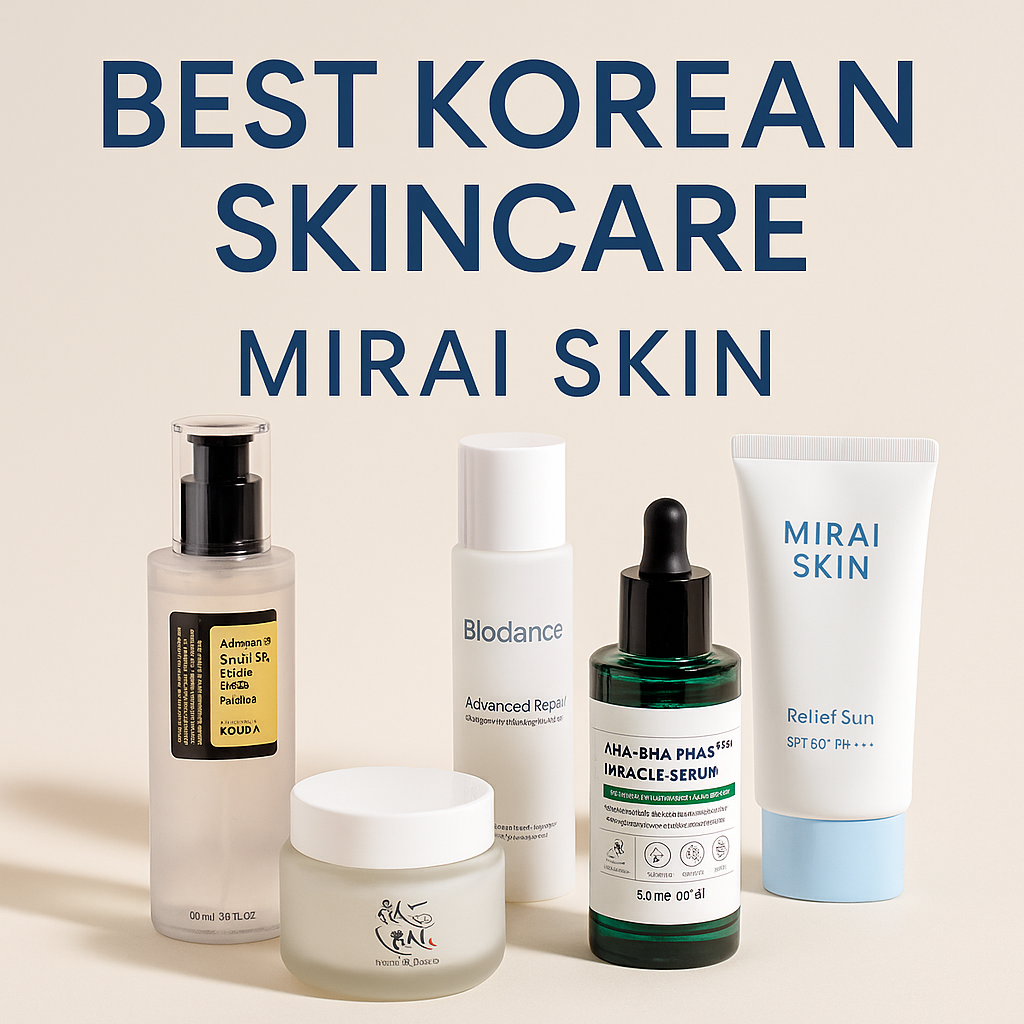
If you're ready to find an authentic Korean cleanser that fits your skin type and acne pattern, explore Mirai skin for curated K-Beauty options that can slot into a barrier-conscious acne routine.