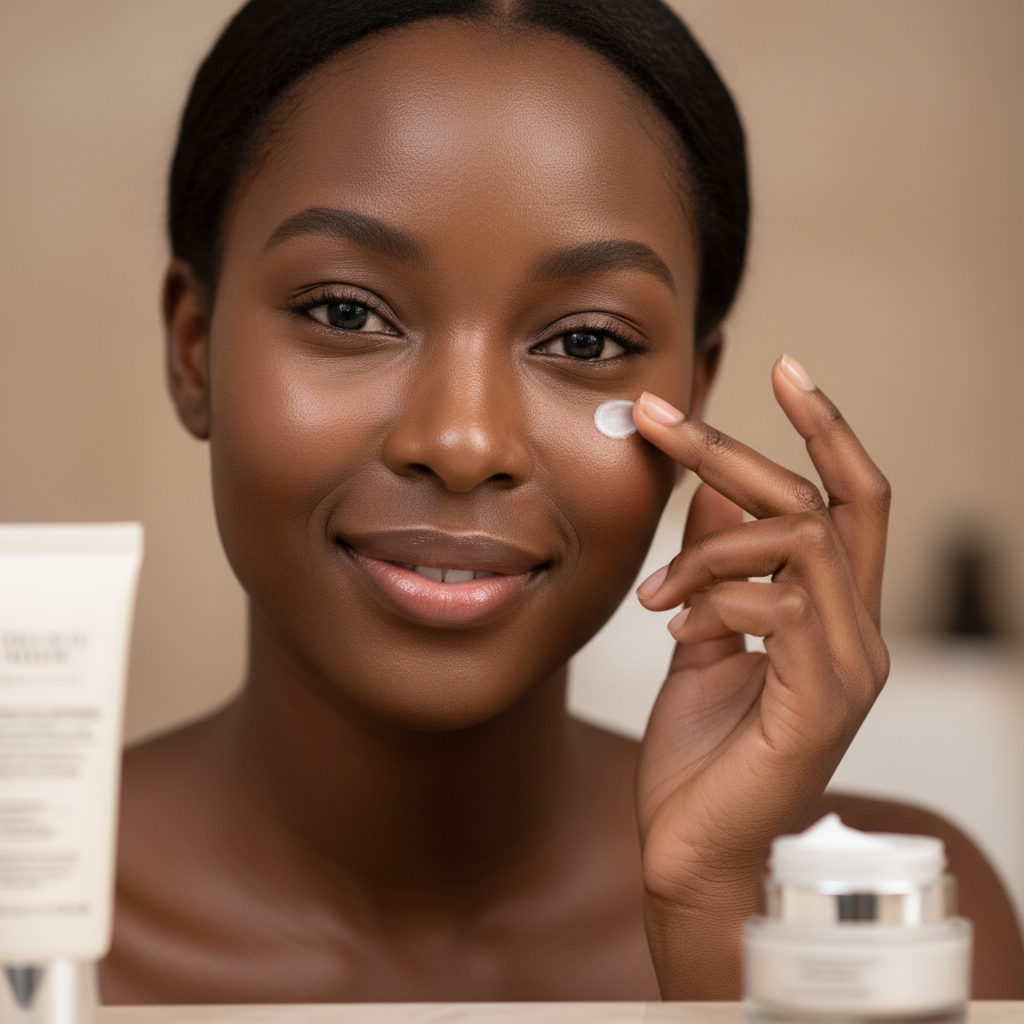
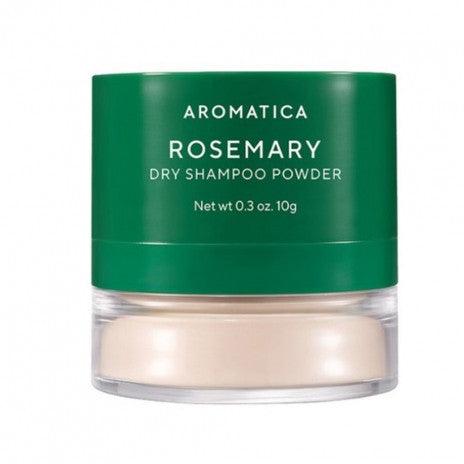
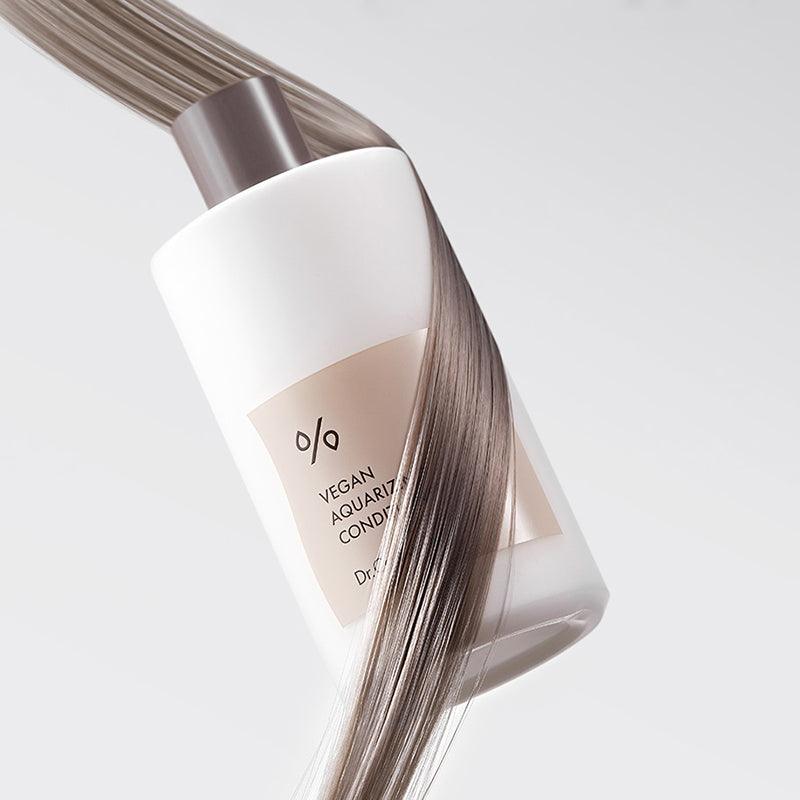
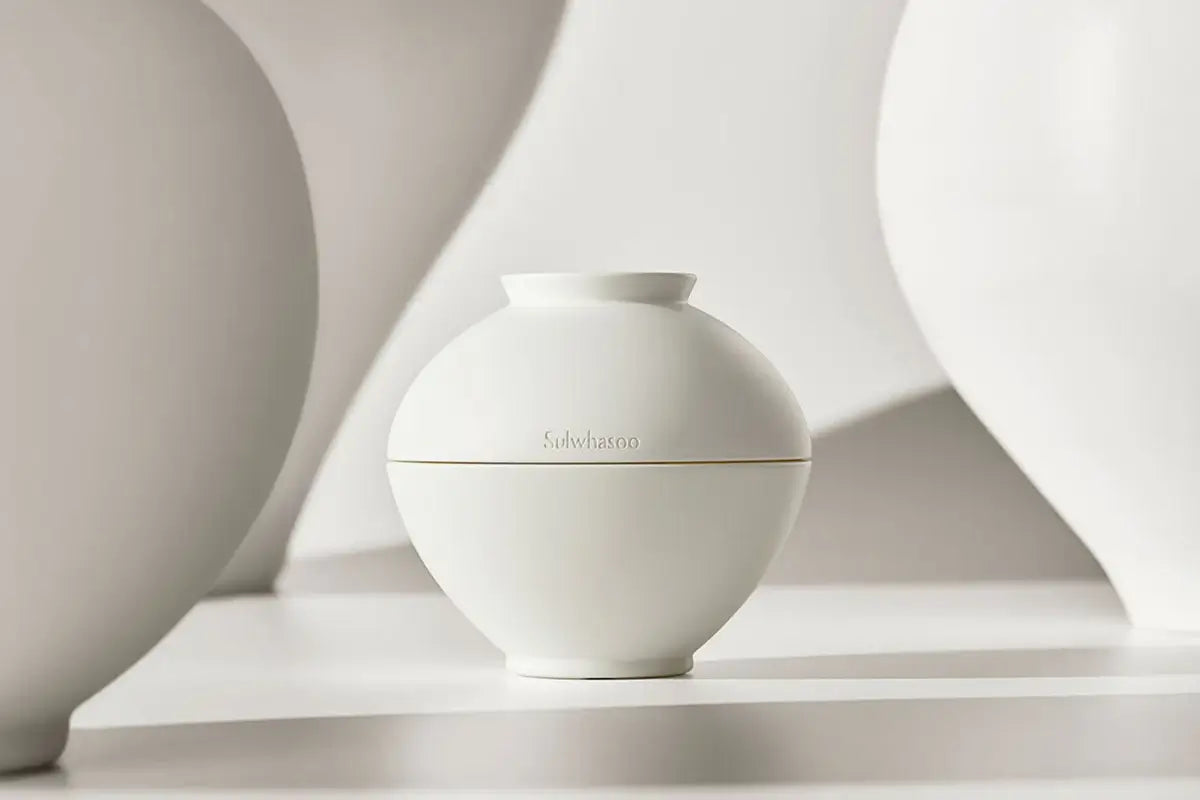
You know the feeling. Your routine already has the stars: vitamin C in the morning, retinoid at night, niacinamide somewhere in between. But your skin still looks a little flat, a little tight, or oddly fragile. It isn't always an actives problem. Often, it's a barrier and hydration choreography problem.
That's where honey and macadamia become interesting.
For K-Beauty lovers chasing that plush, reflective “honey skin” finish, this pairing makes sense in a way that many trendy ingredients don't. Honey brings water-loving comfort. Macadamia brings lipid-rich softness and support. Together, they can make skin look nourished rather than just coated, bouncy rather than greasy.
This matters beyond niche natural beauty, too. Macadamia has moved far beyond luxury-food status. The global macadamia market was estimated at USD 1.58 billion in 2022 and is projected to reach USD 3.57 billion by 2030, according to Grand View Research's macadamia market analysis. That broader adoption helps explain why formulators in food and cosmetics keep returning to it as a premium ingredient.
The Power Duo Your Skin Has Been Missing
A lot of ingredient-savvy skincare users eventually hit the same wall. They can exfoliate. They can brighten. They can smooth texture. But when their skin barrier gets stressed, the usual “results” products stop feeling elegant. Foundation clings. Cheeks flush easily. That glass-skin glow turns into a shiny-but-dehydrated look.
Honey and macadamia answer a different question. Not “How do I force faster turnover?” but “How do I help skin hold onto comfort, flexibility, and light?”
Why this pairing feels so K-Beauty
K-Beauty has always excelled at textures that do more than one job. The best formulas don't just sit on top of skin. They cushion, soften, and help the face look subtly healthy. Honey and macadamia fit that philosophy well because they support the look and feel of resilient skin without demanding an aggressive routine.
Think of them as the skincare version of a well-cut slip dress and a structured coat. One adds fluidity. The other adds shape. Together, the result looks polished, not overdone.
A premium story with practical value
Honey carries a long beauty history. Macadamia brings a more modern premium-ingredient story. In skincare language, that makes the pair feel both familiar and refined.
For someone with dehydrated skin, the appeal is obvious. For someone using retinoids or acids, it's equally useful. On those nights when your skin doesn't want another active, honey and macadamia can make the routine feel restorative again.
What confuses many shoppers: “Natural” doesn't automatically mean light, and “rich” doesn't automatically mean greasy. With the right formula, honey and macadamia can feel cushiony, elegant, and surprisingly wearable.
Decoding the Science of Honey and Macadamia
To understand why this duo works, it helps to split the pair into two roles. Honey is the moisture magnet. Macadamia is the liquid barrier patch.
Those aren't lab terms. They're useful mental shortcuts.
Honey as the moisture magnet
Honey is prized in skincare because it naturally fits what dehydrated skin needs most: help attracting and holding water near the skin surface. That's why honey-based masks and moisturizers often leave skin feeling softer and more supple, especially when your face feels tight after cleansing or over-exfoliation.
Honey also has a strong reputation in beauty for being soothing and supportive for skin that looks stressed. That's one reason it shows up so often in wash-off masks, sleeping packs, and richer creams aimed at dull or compromised skin.
In practical terms, honey works best when you think of it as a comforting hydration partner, not a standalone miracle. If there's no water in the routine and no barrier support layered on top, its benefits can feel temporary.
Macadamia as the liquid barrier patch
Macadamia oil is where the texture science gets exciting. Technical references report that macadamia kernels contain about 68 to 79% oil by kernel weight, and that the oil is rich in monounsaturated fatty acids, especially omega-9 and the rarer omega-7. That composition is why it's often described as a premium, stable emollient with skin affinity in this macadamia technical reference PDF.
For skin, that translates into a few practical benefits:
- Slip without harsh drag means less tugging during massage.
- A softer surface feel helps rough or flaky areas look smoother.
- Barrier-style support helps reduce that papery, over-cleansed sensation.
If honey behaves like a sponge, macadamia behaves like a flexible seal over the sponge. Not a suffocating film. More like a well-fitted topcoat that helps everything underneath stay comfortable.
Honey vs. Macadamia Oil at a Glance
| Property | Honey | Macadamia Oil |
|---|---|---|
| Main role | Humectant-style hydration support | Emollient and lipid support |
| Texture impression | Cushiony, syrupy, water-attracting | Silky, buttery, smoothing |
| Best known for | Helping skin feel supple and comforted | Replenishing the feel of lost softness |
| Ideal use | Masks, creams, sleeping packs | Creams, balms, oils, richer emulsions |
| Skin concern fit | Dehydration, dullness, tightness | Dryness, roughness, barrier discomfort |
Why knowledgeable users should care
If you already use ingredients like retinol or exfoliating acids, honey and macadamia aren't “basic.” They're strategic. Advanced routines often fail because they focus on stimulation and ignore recovery.
Practical rule: If your skin looks shiny but feels tight, reach less often for another active and more often for a formula that combines water support with lipids.
This is also why product form matters. A honey toner may feel lovely, but a cream or sleeping pack that also contains supportive oils can do more for skin that's losing moisture overnight.
The Synergy Why These Ingredients Work Better Together
The magic of honey and macadamia isn't that both are nourishing. It's that they solve different parts of the same problem.
Honey helps supply hydration. Macadamia helps seal and soften. That pairing is what makes the finish look plush instead of sticky or slick.

The supply and seal model
A lot of people layer skincare in a way that leaves one half missing. They use hydrating toners and essences, then wonder why the softness disappears by afternoon. Or they apply a rich oil over dry skin and wonder why it feels greasy but not hydrated.
Honey and macadamia work best because they answer both needs in sequence:
- Honey pulls in comfort and helps skin feel less parched.
- Macadamia replenishes the surface feel with lipids that make skin feel smoother and more flexible.
- Together they support a dewy finish that reads as healthy, not heavy.
Why macadamia matters so much in that partnership
According to Global Farms' macadamia ingredient overview, macadamia nuts contain the highest level of monounsaturated fats among tree nuts. In topical use, that lipid-rich profile is especially relevant because these fats help restore and maintain the skin's natural protective barrier.
That's the missing link in many “glow” products. Glow without barrier support often turns into short-lived shine. Glow with barrier support looks calmer, smoother, and more even.
Honey gives skin something to hold. Macadamia gives it a way to keep it.
The K-Beauty payoff
This is why the duo suits the classic K-Beauty goal of ggul pibu, often translated as honey skin. Not oily skin. Not wet skin. Skin that looks fed, elastic, and luminous.
If your routine already includes actives, this pairing often fits best in the recovery layers. If your routine is minimalist, it can become the core comfort step that keeps everything balanced.
Finding Your Perfect K-Beauty Match
Once you know what honey and macadamia are doing, product categories start making more sense. You stop shopping by marketing mood and start shopping by function.

Rich creams for daily barrier comfort
This is the easiest entry point. A cream featuring honey and macadamia suits people whose skin feels normal in the morning but turns tight after cleansing, air conditioning, travel, or a retinoid night.
A good cream format gives you the broadest use range. You can use a thin layer in the morning under sunscreen, or a more generous layer at night when your skin feels tired and textured.
Look for this category if your skin often does the following:
- Feels rough by evening even after a full routine
- Looks dull under makeup because the surface isn't holding moisture well
- Gets reactive after actives and needs a calmer follow-up step
Wash-off masks for quick glow support
Some skin doesn't want richness every day. A wash-off honey mask with emollient support can be a better fit if you're oily in the T-zone but dehydrated everywhere else.
This is the “event skin” version of honey and macadamia. Use it when your face looks tired, makeup isn't sitting well, or your barrier feels a little frayed but not fully compromised. The result is often a fresher, softer look with less commitment than a heavy overnight product.
Sleeping packs for overnight recovery
Sleeping packs are where K-Beauty texture design really shines. They're made for that in-between need: more than a basic moisturizer, less oppressive than an old-school occlusive balm.
Honey and macadamia work especially well in this format because nighttime is when skin can benefit from both hydration support and a more substantial surface cushion. If you wake up with pillow-line dehydration or morning tightness around the mouth, this category is worth your attention.
If your skin looks its best right after skincare but worse by morning, your evening routine probably needs a better sealing step.
Facial oils and balm accents
For advanced users, honey and macadamia don't always have to appear in the same product. You might use a honey-forward serum or cream, then finish with a few drops of a macadamia-rich oil blend.
That approach works well if you like customization. It lets you adjust the finish based on weather, exfoliation schedule, and how reactive your skin feels that week.
A simple way to think about formats:
- Cream if you want everyday flexibility
- Mask if you want periodic glow support
- Sleeping pack if you need overnight comfort
- Oil if you already have hydration and only need a final seal
Smart Shopping and Safe DIY Application
Ingredient literacy matters more than front-label romance. A jar can say “honey” or “macadamia” and still use them as minor supporting notes rather than meaningful components.

How to read the INCI list without overcomplicating it
For honey, common ingredient names can include Honey or Honey Extract depending on the formula style. For macadamia, the name you'll usually spot is Macadamia Ternifolia Seed Oil.
Placement on the list matters, but context matters too. If honey and macadamia appear alongside a thoughtful base of humectants, emollients, and barrier-supportive ingredients, the formula may still be well built even if neither sits at the very top.
Use this quick filter when shopping:
- Check the format first. A cream, sleeping pack, or balm has more room to showcase macadamia's lipid profile than a watery mist.
- Look for pairing logic. Honey should sit in a formula that also supports moisture retention, not one that leaves skin bare afterward.
- Watch the fragrance load. If your barrier is already stressed, a heavily perfumed product can make a beautiful ingredient story feel less beautiful on skin.
- Match the product to your climate. A richer honey and macadamia cream may feel perfect in winter and too much in humid weather.
Processing quality matters
Ingredient quality isn't only about the plant or bee source. It's also about handling.
Research on macadamia honey shows that minimal-heat extraction helps preserve native aroma compounds and sensory integrity, and the same source notes that macadamia nuts require about 300 pounds of pressure per square inch to crack, which underscores how valuable careful processing is for preserving ingredient quality in general. You can read that in this PubMed-listed study on macadamia honey processing and sensory quality.
That doesn't mean every shopper needs to become a processing expert. It means gentler handling is usually a good sign when you're buying premium natural-ingredient skincare.
Better raw materials don't rescue a bad formula. But poor handling can reduce the elegance of even a strong ingredient.
A simple DIY mask that stays on the safe side
If you enjoy ingredient play, keep it restrained. Don't try to build a preservative-free jar product at home. Make a single-use mask and use it immediately.
Try this approach:
- Place a small amount of plain honey in a clean bowl.
- Add a few drops of cosmetic-grade macadamia oil.
- Mix until the texture looks even.
- Apply a thin layer to clean, slightly damp skin.
- Leave it on briefly, then rinse well with lukewarm water.
- Follow with your usual moisturizer.
A few guardrails matter:
- Patch test first on a small area before applying to the whole face.
- Avoid broken or highly inflamed skin.
- Use clean tools and discard leftovers immediately.
- Don't overdo the oil. More isn't better. Too much can turn a nourishing mask into a slippery film that's harder to rinse.
If your skin is acne-prone or very sensitive, a professionally formulated product is usually the smarter choice.
Your Path to Deeply Nourished Skin
Honey and macadamia earn their place in skincare for a simple reason. They solve different problems that often show up together.
Honey helps skin feel hydrated, comfortable, and supple. Macadamia brings the rich lipid support that makes that hydration last longer and feel more elegant on the surface. One draws softness in. The other helps keep it there.
Who tends to benefit most
This pairing is especially appealing if your skin falls into one of these buckets:
- Dry skin that never feels fully satisfied by gel textures
- Dehydrated skin that looks shiny but feels tight
- Mature skin that wants bounce and comfort, not just slip
- Compromised skin recovering from overuse of actives or harsh weather
That doesn't mean oily skin has to avoid it. It means oily skin usually benefits more from the right format, such as a mask, a lighter cream, or selective nighttime use.
The bigger takeaway
The smartest routines don't chase ingredients in isolation. They build relationships between them. Honey and macadamia are a strong example of that K-Beauty mindset. Not louder. Smarter.
If your goal is skin that looks luminous, calm, and well cared for, this duo is worth more than a passing glance. It isn't about replacing actives. It's about giving them a healthier canvas to work on.
If you're ready to turn the theory into a routine, explore Mirai skin for authentic Korean skincare and discover honey-rich, barrier-focused formulas that fit the way real K-Beauty enthusiasts use their products.