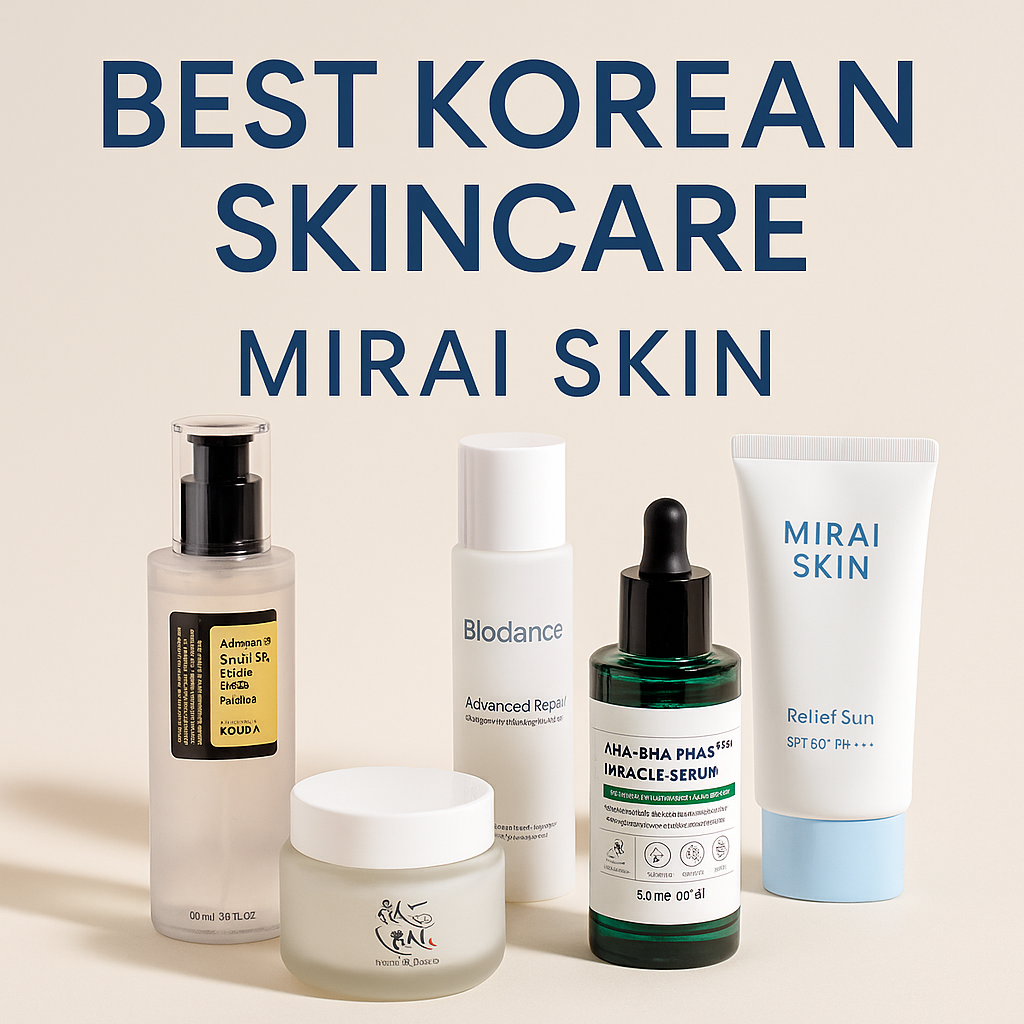
When it comes to treating sun-damaged skin, the Korean skincare philosophy champions a smart, targeted approach. It’s about understanding the specific signs of damage and then deploying the right ingredients to repair, rebuild, and protect. Think of it as a one-two punch: potent actives like Vitamin C and retinoids for targeted repair, and a non-negotiable, cosmetically elegant broad-spectrum sunscreen for daily defense.
Recognizing Sun Damage and Starting Your Repair Journey
That moment you spot a new dark patch or notice fine lines settling in can be frustrating, but it's also the starting point for reclaiming your skin's health. This isn't just about what you see on the surface; it’s a mission to repair what’s happening at a cellular level. We'll walk you through what to look for-from subtle shifts in texture to more obvious hyperpigmentation-and provide a clear, actionable K-Beauty framework to address it.
Forget generic, overwhelming advice. This is your direct path forward. The key to success lies in matching the type of damage you have with the most effective ingredients from the world of authentic Korean skincare.
And there’s a real urgency here. The impact of sun damage is growing, and the numbers don't lie. A 2025 survey from the American Academy of Dermatology found that a staggering 35% of Americans got sunburned in 2024. That’s a significant jump from just 25% back in 2020-a 40% increase in only four years. This trend, highlighted in studies from sources like the National Center for Biotechnology Information, makes knowing how to treat sun-damaged skin more critical than ever before.
Matching Damage to K-Beauty Solutions
Before building a routine, you need to play detective with your skin. Different kinds of sun damage manifest in different ways, and they respond best to specific ingredients. Are you dealing with stubborn, concentrated dark spots? A general loss of firmness that makes your skin feel less "bouncy"? Or perhaps it's a rough, uneven texture that prevents makeup from sitting flawlessly? Each concern has a K-Beauty hero ingredient ready to step in.
For example, the Vitamin C found in many exceptional Korean serums is a powerhouse for brightening and antioxidant protection, while gentle retinoids are masters at promoting cellular renewal.
Key Takeaway: The entire foundation of a successful sun damage repair strategy is correctly identifying the problem. You wouldn't use the same tool for every home repair, and the same applies to skincare. Pinpointing your exact concern is what allows you to select products with precision.
Here’s a quick-reference table to help you connect the dots between the common signs of sun damage and the powerhouse Korean skincare ingredients designed to target them. Think of this as your cheat sheet for building a smarter, results-driven routine.
Identifying Sun Damage and Key K-Beauty Ingredients for Treatment
This table simplifies the process, matching the most common forms of sun damage with the K-Beauty ingredients best suited to address them.
| Type of Sun Damage | Appearance | Target K-Beauty Ingredients |
|---|---|---|
| Hyperpigmentation (Dark Spots) | Brown or gray patches, freckles, melasma, and post-inflammatory marks from sun exposure. | Niacinamide, Vitamin C (Ascorbic Acid), Alpha Arbutin, Licorice Root Extract |
| Fine Lines & Wrinkles | Crow's feet, forehead lines, and crepiness caused by collagen and elastin breakdown. | Retinoids (Retinol, Retinal), Peptides, Adenosine, Snail Mucin |
| Uneven Skin Texture | Rough, leathery, or bumpy skin surface resulting from cumulative sun exposure. | AHAs (Glycolic Acid, Lactic Acid), PHAs, Fermented Ingredients |
| Loss of Elasticity | Skin that appears saggy or less firm due to weakened collagen fibers. | Peptides, Collagen, Ginseng, Antioxidants (like Ferulic Acid) |
Once you've identified your primary concerns using this guide, you can begin to build a routine that's truly personalized and effective.
Crafting Your K-Beauty Sun Damage Recovery Plan
You’ve pinpointed the specific signs of sun damage showing up on your skin. Now for the crucial part: building a smart, targeted routine to start reversing it. We’re not talking about a one-size-fits-all approach. Instead, we'll adapt the thoughtful, layered principles of Korean skincare to create a powerful, restorative daily ritual.
This isn’t just about applying products. It’s about understanding how and when to use them for maximum impact on your journey to healthier skin.
A successful recovery plan is bifurcated into day and night. Think of it this way: your morning routine is dedicated to protection and prevention, while your evening routine is focused on active repair and regeneration. By assigning distinct roles to your AM and PM routines, you create a 24-hour cycle of healing that accelerates results without compromising your skin barrier.
The entire process is logical when broken down into three simple phases.

The key insight? An effective plan moves from broad awareness to precise, targeted action. That’s the exact philosophy behind the routine we're about to construct.
Your Morning Shield: Antioxidants and Sunscreen
Your morning routine has two primary functions: neutralizing free radicals that accumulated overnight and shielding your skin from new UV damage. This proactive approach halts the cycle of damage, giving your nighttime treatments a clean slate to work on.
While a double cleanse is a K-Beauty cornerstone, a single, gentle cleanse is typically sufficient in the morning. Opt for a low-pH, hydrating cleanser that removes sweat and impurities without stripping your skin's protective barrier. This prepares your skin to effectively absorb the subsequent treatment steps.
Next is the non-negotiable hero of any sun damage repair routine: a Vitamin C serum. It’s an absolute must for several key reasons:
- It Neutralizes Free Radicals: Vitamin C actively seeks and neutralizes unstable molecules caused by UV rays that degrade collagen and cause hyperpigmentation.
- It Boosts Sunscreen Efficacy: When layered under sunscreen, Vitamin C has been shown to enhance its protective capabilities, creating a more robust defense.
- It Fades and Prevents Dark Spots: It inhibits tyrosinase, an enzyme essential for melanin production, helping to fade existing spots and prevent new ones from forming for a brighter, more even-toned complexion.
After your Vitamin C has absorbed, layer on a hydrating essence or toner. This is where K-Beauty staples like Snail Mucin or Ginseng truly shine. They are phenomenal for repairing the skin barrier, delivering deep hydration, and supporting the skin's innate healing processes-all critical for skin recovering from sun damage.
Finally, the most important step of all: a broad-spectrum sunscreen with an SPF of 30 or higher and a high PA rating (PA++++ is the gold standard). This is your daily armor. Without it, all your other efforts are rendered significantly less effective. Find a formula you genuinely love to wear from brands like Beauty of Joseon or Round Lab, because consistency is everything.
Your Nightly Repair Crew: Actives and Recovery
While you sleep, your skin enters its peak repair mode. Your evening routine is designed to supercharge this natural process with active ingredients that accelerate cell turnover, rebuild collagen, and tackle pigmentation head-on.
Always begin with a double cleanse. First, use an oil-based cleanser to melt away sunscreen, makeup, and excess sebum. Follow with a water-based cleanser to wash away any remaining residue. This thorough cleanse ensures your treatment products can penetrate optimally and get to work.
Now it's time for the powerhouse actives. Depending on your skin's tolerance and primary concerns, you’ll want to incorporate one of these:
- Retinoids (Retinol or Retinal): The undisputed gold standard for accelerating collagen synthesis, smoothing fine lines, and promoting cell turnover to fade dark spots. If you're new to retinoids, start with a low concentration a few nights a week.
- Exfoliating Acids (AHAs/BHAs): Glycolic or lactic acid (AHAs) work on the skin’s surface to desquamate dead, pigmented cells, revealing brighter skin and a refined texture. Salicylic acid (BHA) is excellent if you're also concerned with congested pores.
- Niacinamide: This versatile ingredient strengthens the skin barrier, calms inflammation, and-crucially-interrupts the transfer of melanosomes to keratinocytes, helping prevent dark spots from becoming visible.
Expert Tip: To avoid irritation, do not use retinoids and strong exfoliating acids on the same night. Try "skin cycling": alternate your retinol night with an exfoliation night, and follow with one or two "recovery" nights focused solely on hydration and barrier repair.
After your active serum, the focus shifts to replenishing moisture and supporting your skin barrier. Layer on a hydrating serum with Hyaluronic Acid or Snail Mucin. Lock it all in with a rich, nourishing moisturizer-perhaps one containing ceramides or peptides to support your skin's structure.
A perfect final step is something like the COSRX Advanced Snail 92 All in One Cream to soothe, heal, and deeply moisturize.
By dedicating your mornings to protection and your evenings to targeted repair, you create a synergistic routine that tackles sun damage from every angle. This thoughtful, layered K-Beauty approach ensures you're not just treating symptoms, but actively rebuilding healthier, more resilient skin.
The Powerhouse Ingredients That Reverse Sun Damage
Knowing which ingredients to look for is just as important as the routine itself. This is where we delve into the science of what truly works. Korean skincare is celebrated for using potent, well-researched ingredients that repair, brighten, and protect the skin-exactly what's needed when tackling sun damage.
Let's break down the key players you'll want on your team.

Understanding the INCI list empowers you to select products that are not just trendy, but truly effective. It transforms you from a regular shopper into an expert on your own skin's needs.
Retinoids: The Gold Standard for Cellular Renewal
When it comes to reversing photoaging-think fine lines and stubborn dark spots-retinoids are in a league of their own. This family of Vitamin A derivatives works by accelerating cell turnover, signaling your skin to shed old, damaged cells and generate fresh ones more rapidly. This process is incredibly effective for fading hyperpigmentation, smoothing rough texture, and stimulating collagen for firmer skin.
- Retinol: The most common over-the-counter form. It's highly effective but requires consistent use to see results.
- Retinal (Retinaldehyde): One conversion step closer to retinoic acid (the prescription form), making it faster-acting than retinol. A great choice for those wanting more noticeable results without a prescription.
- Bakuchiol: Often termed a "natural retinol alternative," this plant-derived ingredient offers similar benefits-like improved elasticity and tone-with a much lower risk of irritation, making it perfect for sensitive skin.
A word of advice: always start slow with retinoids. Begin with a low-concentration product just two or three nights a week, and only increase the frequency once your skin has acclimatized.
Vitamin C: The Master Antioxidant
Vitamin C is an essential component in any sun damage repair routine. Its primary function is to neutralize free radicals generated by UV exposure, but its benefits are far more extensive. It's a true multi-tasking hero for brightening and protecting your skin.
The most potent form is L-Ascorbic Acid, but it can be unstable and potentially irritating. This is why many K-Beauty brands have mastered gentler, more stable derivatives that deliver excellent results for most skin types.
Expert Tip: Don't just focus on the percentage of a Vitamin C serum. The formulation is paramount. A superior serum will often include other antioxidants like Vitamin E and Ferulic Acid. They work synergistically to stabilize the Vitamin C and enhance its protective power.
Niacinamide: The Pigment Interrupter
If hyperpigmentation is your primary battle, Niacinamide (a form of Vitamin B3) needs to be on your radar. While Vitamin C helps inhibit melanin production, Niacinamide works via a different mechanism. It blocks the transfer of melanosomes from your melanocytes to your surface keratinocytes.
Think of it as a roadblock, preventing dark spots from ever reaching your skin's surface. This makes it incredibly effective at fading discoloration and evening out your overall skin tone. Plus, it fortifies the skin barrier and possesses anti-inflammatory properties, making it an excellent supporting ingredient.
Exfoliating Acids for a Brighter Surface
Sun damage often leaves a layer of dead skin cells, resulting in a dull, rough complexion. Chemical exfoliants like Alpha Hydroxy Acids (AHAs) are brilliant for dissolving the intercellular "glue" holding those old cells together, revealing the smoother, more radiant skin underneath.
- Glycolic Acid: Has the smallest molecular size, allowing it to penetrate deeply for a significant exfoliation. It's excellent for tackling stubborn texture and fine lines.
- Lactic Acid: A gentler AHA with a larger molecule that works closer to the surface. It also functions as a humectant, helping to hydrate the skin while it exfoliates-a valuable bonus.
Using an AHA once or twice a week can dramatically improve your skin's texture and enhance the absorption of your other treatment products.
To help you choose the right active for your routine, here's a quick guide to the most common ingredients used to treat sun damage.
Your Guide to Active Ingredients for Sun Damage Repair
| Ingredient | Primary Benefit | Best For | Expert Pairing Tip |
|---|---|---|---|
| Retinoids | Accelerates cell turnover, boosts collagen, fades spots | PM Routine. Tackling fine lines, uneven texture, and deep-set pigmentation. | Pair with a hydrating serum containing Snail Mucin or Hyaluronic Acid to combat potential dryness. |
| Vitamin C | Brightens, protects against free radicals, evens tone | AM Routine. Providing daily antioxidant protection and preventing new spots. | Works best when layered under sunscreen. Look for formulas with Vitamin E and Ferulic Acid for a stability boost. |
| Niacinamide | Reduces pigment transfer, strengthens skin barrier | AM or PM. Fading dark spots and improving overall skin resilience. | Can be safely layered with most other ingredients, including Vitamin C and Retinoids (on alternate nights). |
| AHAs | Exfoliates dead skin cells, smooths texture | PM Routine (2-3x/week). Addressing surface dullness and roughness. | Follow up with a calming, barrier-supporting moisturizer to prevent irritation. Avoid using on the same night as Retinoids. |
This table should make it easier to decide when and how to use these powerful ingredients to get the best results without overwhelming your skin.
Hydrators and Healers to Support Recovery
While active ingredients perform the heavy lifting, barrier support is non-negotiable. A compromised skin barrier can lead to irritation and inflammation, which will only impede your progress. This is an area where Korean skincare truly excels, with its focus on ingredients that hydrate, soothe, and repair.
This focus on moisture is backed by data. The global market for sunburn treatments hit USD 1.44 billion in 2024, with moisturizers constituting the largest segment at 33.2%. This confirms a critical truth: maintaining hydration in damaged skin is the foundation of recovery. To read more about these market trends and their implications for skincare, you can explore the full report.
Snail Mucin is a prime example of a healing hydrator. It's rich in glycoproteins, hyaluronic acid, and glycolic acid-all of which work in concert to moisturize, stimulate collagen, and repair damaged tissue. It’s the ideal companion to potent actives like retinoids because it helps keep your skin calm and resilient.
When Your Skincare Routine Needs a Professional Boost
A dedicated K-Beauty routine is an incredibly powerful tool for tackling sun damage. With consistent use of the right ingredients, you can absolutely fade spots, smooth out texture, and rebuild a healthy skin barrier. But it's also important to be realistic about its limits.
For more significant or stubborn sun damage, sometimes your at-home efforts need to be augmented by professional intervention.
Think of it this way: your daily skincare is the equivalent of a healthy diet and consistent exercise. Professional treatments are like calling in a specialist for a targeted, high-impact intervention. They aren't mutually exclusive-in fact, they work best synergistically.
Let’s demystify some of the most effective procedures available for treating sun-damaged skin.
Understanding In-Office Treatments
So, when is it time to consult a dermatologist? If you've been consistent with your routine for several months but certain dark spots won't budge or textural issues aren't improving, it might be time to explore professional options. These treatments utilize advanced technology to work much deeper within the skin than any topical product can reach.
Here are a few of the heavy hitters:
- Intense Pulsed Light (IPL): This is not technically a laser, but uses broad-spectrum light to target pigment. The light is absorbed by melanin in dark spots, which heats up, breaks down, and is eventually cleared by the body's natural processes. It’s fantastic for widespread freckling and stubborn brown spots on the face, chest, and hands.
- Fractional Lasers (like Fraxel): These devices are game-changers. They create microscopic treatment zones deep in the skin while leaving the surrounding tissue untouched. This clever approach triggers a powerful healing response, kickstarting collagen production to smooth wrinkles and improve texture while also pushing out old, pigmented cells.
- Microneedling: This procedure uses tiny, sterile needles to create controlled micro-injuries in the skin. This process triggers your skin’s natural wound-healing cascade, which involves creating fresh, new collagen and elastin. It's a superb option for improving skin texture, firmness, and the appearance of fine lines.
The demand for these types of procedures is growing for a simple reason: they deliver tangible results. The market share for laser resurfacing, for example, is projected to climb from 15% in 2017 to 20% by 2028. Concurrently, radiofrequency treatments are expected to grow from a 12% to an 18% market share.
Clinical trials and established research sources confirm that both topicals and procedural interventions lead to significant improvements, with visible changes often appearing within weeks. You can learn more about the effectiveness of these skin cancer and photoaging treatments to see the data for yourself.
Bridging Professional Treatments with Your K-Beauty Routine
A common misconception is that if you get a professional treatment, you can relax your daily skincare. The absolute opposite is true. Your K-Beauty routine is what makes your professional investment worthwhile, acting as crucial preparation and essential long-term maintenance.
Expert Insight: Think of your at-home routine as the essential support system for any in-office procedure. A healthy, hydrated, and protected skin barrier will heal faster, experience fewer side effects, and maintain its professionally-achieved results for much longer.
Before a procedure, focusing on barrier health is paramount. For a few weeks leading up to your appointment, you will likely need to pause strong actives like retinoids and AHAs. Instead, double down on the soothing, hydrating ingredients that are staples in Korean skincare.
- Snail Mucin: Its healing and regenerative properties are perfect for prepping the skin.
- Centella Asiatica (Cica): This incredible soothing ingredient calms inflammation and strengthens the skin.
- Ceramides: These are non-negotiable for fortifying your skin's natural barrier, making it more resilient and ready for treatment.
After the procedure, your routine pivots to gentle healing and strict protection. Your dermatologist will provide specific post-care instructions, which you must follow precisely. Once you get the all-clear, you can re-introduce gentle, calming K-Beauty products.
A rich, ceramide-based moisturizer like the COSRX Balancium Comfort Ceramide Cream can be a lifesaver for post-procedure skin. And of course, diligent application of a high-SPF, broad-spectrum sunscreen is absolutely non-negotiable to protect your new, vulnerable skin and your investment.
Your Ultimate Defense: Proactive Sun Protection
Treating existing sun damage is one half of the equation. The other, more critical half, is preventing new damage before it starts. This is where daily, non-negotiable sun protection becomes the single most important step in your entire skincare routine.
We need to move beyond basic advice and delve into the elegant, effective formulations that have made Korean sunscreens a global obsession.

This is your guide to making sun protection an effortless habit. Forget the thick, greasy, white-cast formulas of the past. The goal is simple: find a sunscreen you genuinely look forward to applying every single morning.
Decoding Korean Sunscreen Technology
There's a reason Korean sunscreens are so celebrated. They brilliantly combine powerful UV protection with cosmetically elegant textures that feel more like a lightweight moisturizer than a traditional sunblock. A significant part of their secret lies in their advanced use of different UV filters.
- Chemical Filters: These organic compounds function by absorbing UV radiation and converting it into a minuscule amount of heat. They enable the creation of incredibly lightweight, clear formulas that absorb seamlessly, making them perfect for daily wear and layering under makeup.
- Mineral (Physical) Filters: Comprised of zinc oxide and titanium dioxide, these filters create a physical shield on the skin's surface to block or reflect UV rays. They are known for being exceptionally gentle, which is why they're often recommended for sensitive or reactive skin types.
Many of today's best K-Beauty sunscreens, like the fan-favorite Beauty of Joseon Relief Sun : Rice + Probiotics, utilize a sophisticated hybrid approach. They blend both filter types to provide robust, broad-spectrum protection without sacrificing a beautiful, comfortable finish.
Expert Insight: The PA rating is just as important as the SPF number. While SPF measures protection against UVB rays (the "burning" rays), the PA system measures protection against UVA rays-the silent agers responsible for wrinkles, sagging, and hyperpigmentation. For the ultimate defense against photoaging, always look for the highest rating: PA++++.
Making Sunscreen a Daily Habit
The best sunscreen is the one you will actually wear every day. Period. This means finding a formula that suits your skin type and lifestyle. Whether you prefer a dewy, glass-skin finish or something soft and matte, there is a Korean sunscreen designed for you.
Applying the correct amount is also crucial. For your face and neck, a good rule of thumb is the two finger-lengths method-squeeze a line of sunscreen onto your index and middle fingers. And don't forget the areas that reveal age just as quickly:
- Your neck and chest (décolletage)
- The backs of your hands
- Your ears
Reapplication is the final non-negotiable, especially on days with significant sun exposure. You need to reapply at least every two hours. You might be wondering how to do that over makeup. Sunscreen sticks and mists are the solution, designed for this exact purpose.
Just pat a sun stick gently over your skin or spritz a mist evenly across your face. It's an easy, mess-free way to top up your protection and keep your skin safe all day long.
Your Questions on Sun Damage, Answered
We’ve covered the ingredients, the routines, and even professional treatments. But you likely still have some lingering questions about how this all works in practice.
Let's get into the nitty-gritty of what to expect, how to combine powerhouse ingredients, and what's truly possible on your skin repair journey.
How Long Until I Actually See Results?
This is the most common question. When it comes to skincare, patience is a virtue, especially when tackling damage that took years to form.
For hyperpigmentation like sun spots, you may begin to see a subtle fade in about 4-6 weeks with consistent use of ingredients like Vitamin C or Niacinamide. Think of it as the color slowly lifting.
However, for more significant improvement, you're looking at a 3-6 month timeframe. For textural issues like fine lines that you're treating with retinoids, you could see initial changes in 3 months, with the most profound results appearing after 6-12 months. Remember, this is a marathon, not a sprint. Consistency with gentle, effective products will always outperform high-strength formulas that lead to irritation.
Can I Use Vitamin C And Retinol Together?
Yes, you absolutely can-and should! But a smart strategy is required to avoid overwhelming your skin. The best approach is temporal separation.
- In the Morning: Use your Vitamin C serum. Its antioxidant properties are a perfect partner for your sunscreen, providing an extra shield against the environmental stressors your skin faces all day.
- In the Evening: Apply your Retinol. Nighttime is when your skin's natural repair cycle is most active, and using retinol then also sidesteps any increased photosensitivity during the day.
This tag-team method allows you to get the full benefits of both incredible ingredients without compromising your skin barrier.
Can Sun Damage Be Completely Reversed?
While you can make a dramatic, visible difference-fading dark spots, smoothing texture, and softening fine lines-it's not always realistic to expect a complete reversal. Some of the deeper damage to your skin's collagen and elastin framework is, unfortunately, permanent.
The real goal is significant improvement and, most importantly, preventing further damage. A dedicated K-Beauty routine paired with diligent sun protection can restore your skin's health and radiance to a place you'll love. Think of it as active management and repair, not a total reset button.
What's More Important: A Treatment Serum or Sunscreen?
This is an easy one. If you could only choose one, it’s sunscreen, hands down.
Without daily, non-negotiable sun protection, any progress you make with your treatment serums will be undermined by new UV damage. It’s like trying to bail water out of a boat without plugging the hole first.
A high-SPF, broad-spectrum sunscreen is your first line of defense. Treatment serums are there to repair the past, but sunscreen is what protects your investment in your skin's future.
Your journey to healthier, clearer skin starts with the right products and a routine you can stick with. At Mirai Skin, we've hand-picked the best authentic Korean skincare to help you repair, protect, and reveal your most radiant complexion.
Explore our collection of sun damage solutions and start your repair journey today at miari-skin.com