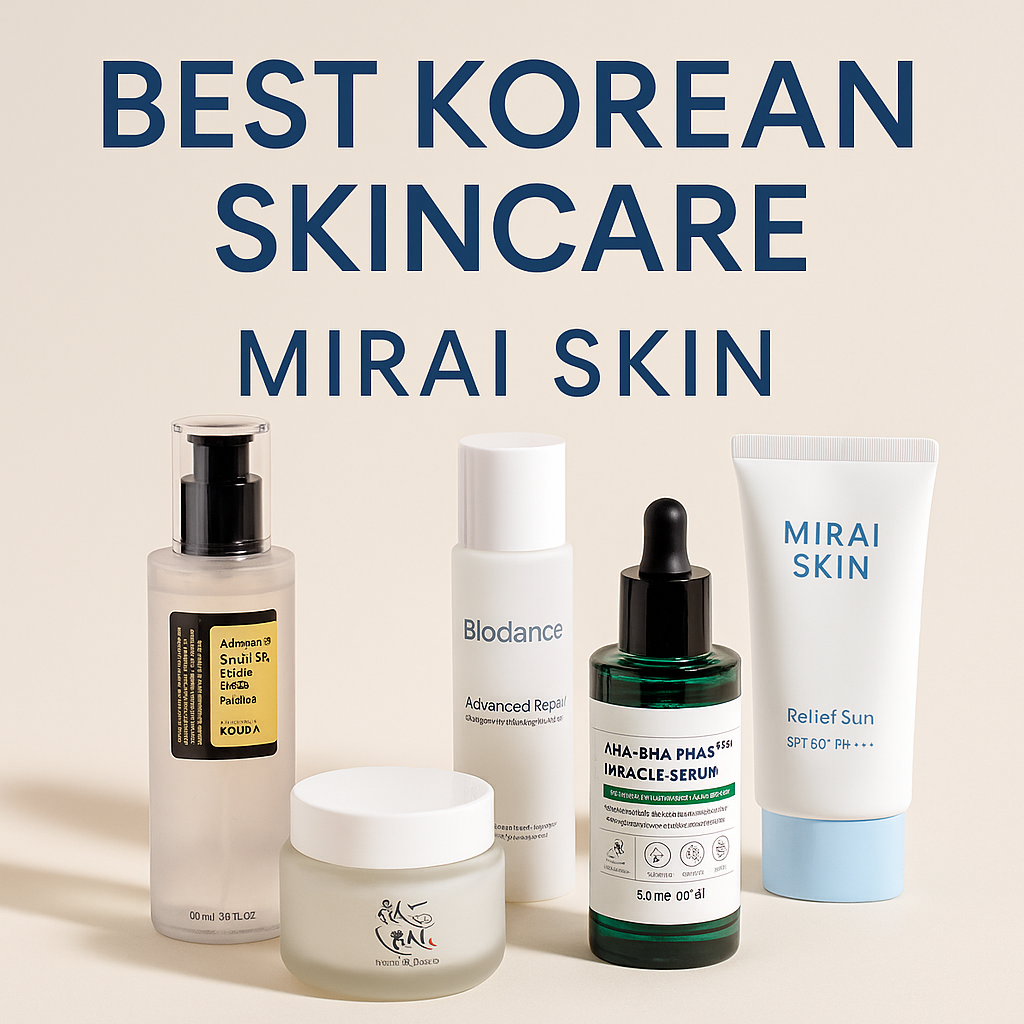
If there is one ingredient that quietly powers the majority of Korean skincare products, it is panthenol. Also known as provitamin B5 or D-panthenol, this hydrating and healing compound appears in everything from toners and serums to creams and sunscreens. While it rarely gets the spotlight that trendier ingredients enjoy, panthenol is the workhorse that makes K-beauty's gentle, barrier-first philosophy actually work.
Korean skincare brands have long understood that effective skincare is not just about powerful actives; it is about creating the optimal conditions for skin to heal, hydrate, and protect itself. Panthenol is the quintessential support ingredient that does exactly that, and products built around high concentrations of panthenol have become essential tools for anyone dealing with barrier damage, sensitivity, or chronic dryness.
The Science Behind Panthenol
Panthenol is the alcohol form of pantothenic acid (vitamin B5), an essential nutrient that plays a critical role in cellular metabolism throughout the body. When applied topically, panthenol penetrates the skin and is converted by enzymes into pantothenic acid, which then becomes part of coenzyme A (CoA), a molecule involved in hundreds of metabolic reactions at the cellular level.
This conversion process is what makes panthenol so uniquely effective. As a precursor to CoA, it supports the synthesis of lipids that form the skin barrier, accelerates the production of new skin cells, and enhances the skin's natural repair mechanisms. Research has shown that panthenol stimulates fibroblast proliferation and accelerates re-epithelialization, meaning it helps skin heal faster from damage, whether that damage comes from environmental stressors, over-exfoliation, or inflammatory skin conditions.
As a humectant, panthenol attracts and binds water molecules to the skin, providing hydration that persists rather than quickly evaporating. Studies have shown that regular application of panthenol at concentrations of 1-5% can increase skin hydration by up to 25% and reduce transepidermal water loss (TEWL) significantly. Unlike hyaluronic acid, which primarily hydrates the skin's surface, panthenol penetrates deeper into the epidermis, providing moisture at multiple levels.
Panthenol also demonstrates anti-inflammatory activity by inhibiting the production of pro-inflammatory mediators. This is why panthenol-rich products are so effective at calming redness, reducing itching, and soothing irritated skin. It is commonly used in post-procedure care and is even found in wound-healing ointments and diaper rash creams, speaking to its exceptional safety and efficacy profile.
Key Benefits for Skin
- Deep, Lasting Hydration: Panthenol acts as a humectant that binds moisture to the skin at multiple levels of the epidermis. It provides hydration that lasts throughout the day rather than evaporating quickly.
- Barrier Repair and Strengthening: By supporting lipid synthesis and cellular metabolism, panthenol actively repairs and reinforces the skin's moisture barrier. This makes it invaluable for recovering from over-exfoliation, harsh weather, or retinol irritation.
- Anti-Inflammatory and Soothing: Panthenol calms redness, irritation, and itching by suppressing inflammatory mediators. It is gentle enough for even the most reactive skin types.
- Wound Healing Acceleration: Clinical studies confirm that panthenol speeds up the skin's natural healing process, making it effective for post-acne healing, minor cuts, and post-procedure recovery.
- Skin Softening: Panthenol acts as an emollient, smoothing rough, flaky skin and improving overall skin texture. It is particularly effective for dry patches and areas prone to roughness.
- Universal Compatibility: Panthenol works harmoniously with virtually every other skincare ingredient. It enhances the performance of actives while reducing their potential for irritation.
Who Should Use Panthenol
- Damaged or compromised barrier: If your skin barrier has been damaged by over-exfoliation, harsh products, or environmental stress, panthenol is one of the most effective repair ingredients available.
- Sensitive and easily irritated skin: Panthenol's soothing properties make it ideal for skin that reacts to many products.
- Dry and dehydrated skin: The deep humectant properties provide lasting moisture that goes beyond surface-level hydration.
- Retinol or acid users: Panthenol helps counteract the dryness and irritation that can accompany strong actives.
- Post-procedure skin: After chemical peels, microneedling, or laser treatments, panthenol supports faster healing.
- All skin types in harsh weather: Whether battling winter dryness or air-conditioned environments, panthenol provides essential moisture support.
Who Should Be Cautious
- Panthenol allergies (extremely rare): True allergies to panthenol are exceptionally rare, but contact dermatitis has been reported in isolated cases. If you experience unusual redness or itching after applying a panthenol product for the first time, discontinue use and patch test.
- Very oily skin in humid conditions: While panthenol is non-comedogenic, those with extremely oily skin may find that high-concentration panthenol products feel unnecessarily heavy in very humid climates. Choose lighter formulations like serums or toners over heavy creams.
Best Korean Products with Panthenol
These K-beauty products feature panthenol as a hero ingredient in effective, targeted formulations:

Jumiso D-Panthenol Barrier Soothing Serum 70ml
A concentrated serum built around D-panthenol for intensive barrier repair and soothing. The lightweight, fast-absorbing formula delivers high-dose panthenol deep into the skin to calm irritation and restore hydration. Perfect as a targeted treatment after retinol use or during barrier recovery periods.

Jumiso D-Panthenol Barrier Soothing Cream 80ml
The cream counterpart to the Jumiso serum, this moisturizer pairs D-panthenol with emollient ingredients for comprehensive barrier support. The rich yet non-greasy texture soothes and seals moisture effectively. Layer it after the serum for maximum barrier repair.

Round Lab Soybean Panthenol Cream 80ml
Round Lab combines panthenol with nourishing soybean extract for a dual-action moisturizer that hydrates and strengthens the skin barrier. The cream has a comfortable, non-heavy texture that works well for all skin types. Soybean adds amino acids and isoflavones for additional skin-nourishing benefits.

Parnell Panthenol 3.28 Heartleaf Calming Toner 200ml
A unique toner that combines 3.28% panthenol with heartleaf (Houttuynia Cordata) extract for a double calming and hydrating effect. The watery texture absorbs instantly and preps skin beautifully for the rest of your routine. An excellent first step for sensitive, reactive skin.
How to Use Panthenol in Your Routine
Panthenol can be incorporated at virtually any step in your skincare routine, and multiple panthenol products can be layered for enhanced benefits:
- Cleanser, Use a gentle, barrier-friendly cleanser.
- Toner, Apply a panthenol-enriched toner like the Parnell Panthenol Heartleaf Calming Toner to damp skin. Pat gently to absorb.
- Serum/Treatment, Apply the Jumiso D-Panthenol Barrier Soothing Serum for concentrated repair and hydration.
- Moisturizer, Seal everything with a panthenol cream like the Jumiso or Round Lab options. This traps all the hydration from previous layers.
- Sunscreen (AM), Finish with sunscreen. Panthenol can help soothe any mild irritation from chemical sunscreen filters.
Pro tip: Panthenol is the perfect "recovery night" ingredient. After using retinol, acids, or any potentially irritating active, follow with a panthenol-focused routine the next evening to help skin recover. You can also use panthenol products as a calming mask by applying a thick layer and leaving it on for 10-15 minutes before gently removing the excess.
Frequently Asked Questions
Is panthenol the same as vitamin B5?
Panthenol is the provitamin form of vitamin B5 (pantothenic acid). When applied to the skin, it converts into pantothenic acid. In skincare, you will see it listed as panthenol, D-panthenol, or dexpanthenol on ingredient lists. All refer to the same active ingredient.
Can I use panthenol with retinol?
Yes, and you absolutely should. Panthenol is one of the best companion ingredients for retinol. It helps counteract the dryness, flaking, and irritation that retinol can cause while supporting the skin's barrier during the adjustment period. Apply retinol first, then layer panthenol products on top.
Is panthenol good for acne-prone skin?
Yes. Panthenol is non-comedogenic and its anti-inflammatory properties can help calm acne-related redness and support healing of post-acne lesions. It does not contribute to breakouts and is safe for oily, acne-prone skin types.
How much panthenol should a product contain to be effective?
Research suggests that concentrations of 1-5% panthenol are effective for skin hydration and barrier repair, with higher concentrations (up to 10%) used in medical-grade wound healing products. Most K-beauty products with panthenol as a featured ingredient contain 2-5%, which is well within the effective range.
Related Reading
- How to Repair a Damaged Skin Barrier
- Squalane Ingredient Guide
- Heartleaf Ingredient Guide
- Shop All Korean Moisturizers
- Shop All Korean Toners