You're probably seeing konjac jelly korean everywhere right now. It shows up in grocery hauls, wellness content, and K-lifestyle conversations as a snack that feels lighter than dessert but more satisfying than flavored water. For ingredient-savvy beauty shoppers, that raises a fair question. Is this just another low-calorie trend, or is there a reason it fits so naturally into a modern K-beauty routine?
The interesting part is that konjac jelly sits right at the overlap of food science, convenience, and beauty culture. It's rooted in a traditional ingredient, but Korean brands have turned it into a polished, portable format that fits busy routines and “beauty from within” habits. If you think about it the way you think about skincare, it starts to make sense fast. The base ingredient matters. Texture matters. Formulation matters. Even the delivery format matters.
What Exactly Is Korean Konjac Jelly
Korean konjac jelly is a jelly-like snack made from glucomannan, a soluble fiber extracted from the konjac plant corm. If you've never heard “corm” before, think of it as the thick underground storage part of the plant, similar to how some root vegetables store nutrients underground.
The easiest way to understand glucomannan is to picture a super-absorbent sponge. When it meets water, it swells and thickens. That water-binding behavior is what gives konjac jelly its signature texture. It isn't like standard gelatin dessert, and it isn't quite like fruit puree either. It has more body, more bounce, and in Korean pouch formats, a smoother flow that's designed to be sipped or gently squeezed out.
From plant to pouch

That texture doesn't happen by accident. Korean pouch-style drinkable konjac jellies are carefully formulated so the gel stays stable, smooth, and pleasant rather than rubbery or watery. In research on pouch-type drinkable variants, optimal gel formation relied on glucomannan and kappa carrageenan blends at 0.4 to 0.5% total concentration within a pH range of 3.5 to 3.7, which helped create a stable texture and prevent water separation over a long shelf life, according to Korean konjac jelly gel optimization research.
That sounds technical, but the takeaway is simple. Korean manufacturers tune the formula the way a good skincare lab tunes a serum base. Too far off, and the product won't feel right. Get it right, and the texture becomes one of the biggest reasons people keep buying it.
Practical rule: If a konjac jelly feels smooth and evenly blended rather than clumpy or separated, that usually reflects better formulation control.
Why Korean versions feel different
A lot of people assume all konjac jelly is basically the same. It isn't. The Korean drinkable style is especially popular because the format changes the whole experience. Instead of a firm cup jelly that you bite into, many Korean products come in soft pouches that feel more like a hybrid between a jelly and a thick fruit drink.
That matters for two reasons:
- Texture comfort: The jelly is designed to be easier to consume in small squeezes.
- Portable use: A pouch fits into the same part of your routine as a stick pack supplement, collagen drink, or toner pad case. It's quick and low-effort.
The ingredient lens beauty shoppers already understand
If you read skincare labels, you already know how to think about konjac jelly. Start with the hero ingredient. In this case, it's glucomannan. Then look at the support system. Acidity, stabilizers, sweeteners, and fruit components all shape the final product.
Here's a simple comparison:
| Element | In skincare thinking | In konjac jelly thinking |
|---|---|---|
| Hero ingredient | Niacinamide or snail mucin | Glucomannan |
| Base texture | Gel cream, essence, ampoule | Drinkable jelly |
| Stability factors | pH, emulsifiers, preservation | pH, carrageenan, blending |
| User experience | Spread, slip, finish | Squeeze, chew, swallow, satiety |
That's why konjac jelly korean doesn't feel random in a beauty-conscious lifestyle. It's a formulated wellness product, not just a sweet snack with trendy packaging.
The Role of Konjac Jelly in Korean Culture and Diet
In South Korea, konjac jelly fits a very specific kind of daily life. People want snacks that are convenient, portioned, and easy to grab between work, commuting, errands, and gym sessions. Konjac jelly works in that rhythm because it doesn't ask much of you. No prep. No bowl. No cleanup.
That convenience alone doesn't explain its staying power, though. Korean consumers also tend to be highly ingredient-aware, especially in categories connected to wellness and appearance. The same person who compares sunscreen filters or studies a peptide serum label is often interested in food products that feel functional rather than empty.
Why it became more than a niche diet snack

Korean brands helped move konjac jelly from “diet aisle item” into something broader. It became part of a lifestyle language around lighter eating, portable wellness, and inner care. That's why you'll often see fruit-forward flavors and beauty-adjacent positioning rather than old-school diet branding.
Common examples include familiar fruity profiles like apple and peach, along with trend-friendly options like green grape or yuzu. The flavors make the product approachable. The pouch format makes it modern. The fiber-based identity gives it a health halo that resonates with people who want snacks to do more than just taste sweet.
A lot of K-wellness products win because they solve two problems at once. Konjac jelly answers both convenience and restraint.
A Korean product with global reach
This isn't just a local curiosity anymore. Korean konjac jelly manufacturers have built meaningful export businesses, with some major producers exporting 10 to 30% of their product and sending shipments across North America, Southeast Asia, and Oceania, as described by K-Food Trade product export information.
That export pattern says something useful. Korean demand is already strong, but international shoppers are also recognizing the appeal of a plant-based, low-calorie, ready-to-drink snack. In other words, the product travels well because the lifestyle problem it solves isn't uniquely Korean.
Why beauty culture helped it spread
Korean beauty culture has never been only topical. “Beauty from within” is a familiar idea, whether that means collagen drinks, functional teas, or food choices that support a polished routine. Konjac jelly slips neatly into that mindset because it feels controlled, intentional, and easy to repeat.
If sheet masks are the visible side of K-beauty ritual, konjac jelly is part of the quiet side. It's the handbag snack, the desk drawer backup, the light option you keep around when you want something that fits your routine instead of disrupting it.
Unpacking the Health and Beauty Benefits
The biggest misunderstanding about konjac jelly is that it's only about dieting. That's too narrow. Yes, people reach for it because it's light and filling, but the better way to look at it is as a functional snack with a place in a broader wellness routine.

Why it helps with fullness
Glucomannan is a soluble fiber, so when you consume it with water, it thickens and adds physical bulk. That's the core reason people describe konjac jelly as satisfying even when it isn't a heavy snack. It's less about sweetness and more about texture plus volume.
Clinical evidence cited for Korean drinkable konjac jelly notes that daily intake of 1 to 3 g of glucomannan can support weight loss, and some drinkable products are positioned around that satiety effect, according to konjac jelly ingredient and product information from Gino Biotech.
That doesn't mean it replaces meals or works like a magic trick. It means the fiber can help people feel fuller, which is useful if you're trying to avoid the cycle of constant snacking.
Why beauty shoppers should care
For K-beauty users, the more interesting angle is what happens when a food product starts acting like part of a beauty routine. Some Korean konjac jellies are fortified with ingredients already familiar from ingestible beauty formats, especially collagen peptides and vitamin C.
The same source notes that some Korean variants fortified with collagen peptides have been associated with up to 12% improvement in skin hydration after four weeks. That's why konjac jelly keeps getting framed as more than a diet snack. It's one of the few convenience foods that can plausibly sit next to both weight-management habits and skin-focused habits without feeling out of place.
A useful way to think about it: topical skincare works from the outside, while products like collagen-fortified konjac jelly fit the “support from within” side of the same routine.
The dual-benefit appeal
Korean product design stands out in this regard. Instead of forcing consumers to choose between “beauty” and “wellness,” many products combine the language of both. A pouch can be fruit-flavored, low in calories, easy to carry, and still marketed in a way that speaks to skin-conscious buyers.
That overlap matters because beauty routines are built on repetition. The easier a habit is to repeat, the more likely it stays in your life. A refrigerated pouch you can grab on your way out has a much lower barrier than a complicated supplement schedule.
Here's where that can fit into daily life:
- Between meals: A pouch can help bridge the gap when you want something sweet but not heavy.
- After workouts: A chilled jelly can feel easier to tolerate than dense snacks.
- During busy workdays: It works for people who skip breaks and then over-order later.
A quick visual can make the product format easier to understand in real use:
Not a replacement for skincare, but a smart companion
It's worth being clear about scope. Konjac jelly doesn't replace sunscreen, a solid moisturizer, or actives that target pigment and texture. Food doesn't do the same job as a serum.
But people don't live in isolated product categories. Skin quality is part of a larger routine that includes sleep, hydration, stress, and food choices. In that context, konjac jelly korean makes sense as a small supportive habit. It's easy to keep around, easy to understand, and easy to pair with a beauty-minded routine that values consistency over extremes.
Important Safety and Consumption Guidelines
Konjac jelly has a real safety conversation attached to it, and it's better to address that directly than pretend it doesn't exist.
Historically, the biggest concerns were linked to cup-style mini-jellies. Those firmer, bite-sized products were involved in choking risk discussions and led to bans in some countries. The underlying issue is tied to glucomannan's ability to absorb water and expand, which means the texture can become hazardous if a product is swallowed improperly rather than chewed and consumed mindfully, as discussed in this video overview of konjac jelly safety concerns.
Why pouch-style Korean products are different
Modern Korean drinkable pouches are generally formulated to be less firm than older mini-cup jellies. That softer, more flowable texture is one reason they've become so popular. They're designed for gradual consumption rather than for popping a whole piece into the mouth.
That said, “safer format” doesn't mean “zero caution needed.” Texture still matters, and consumers still need to use common sense.
Don't treat konjac jelly like candy. Treat it like a functional food with a texture that deserves attention.
Simple rules that matter
A few habits make a real difference:
- Consume slowly: Small squeezes are better than trying to swallow a large amount at once.
- Don't swallow whole pieces: If the product includes thicker jelly sections, chew them properly.
- Supervise children: Products with unusual textures should never be handed to kids casually.
- Read the packaging: Follow any brand-specific serving or handling guidance.
- Use extra care when distracted: Don't rush through it while walking, driving, or multitasking.
Who should be especially careful
If someone has difficulty swallowing, konjac jelly may not be the right casual snack format for them. The same applies in situations where a person tends to eat very quickly. Texture-based foods always require more awareness than liquids.
This section is where trust matters most. A product can be convenient and still require mindful use. Korean pouch jellies improved the format, but smart consumption is still part of the package.
How to Choose Authentic Konjac Jelly
Shopping for konjac jelly can get confusing fast because the category looks simple on the outside. A fruit flavor and a cute pouch don't tell you much about quality. If you care about ingredients the way you care about skincare formulas, the label is where you want to slow down.
The strongest broad market signal is regional. The Asia-Pacific region accounts for over 65% of global konjac jelly consumption as of 2024, and South Korea is a major market, according to global konjac jelly market analysis from Intel Market Research. That's one reason established Korean products tend to inspire more confidence than random generic listings.
What to check on the label
Use this like a quick screening checklist:
- Brand origin: Look for clearly identified Korean brands rather than vague private-label packaging.
- Ingredient clarity: The ingredient list should make the konjac base obvious, not bury it under sweeteners and fillers.
- Sweetener style: Many shoppers prefer options sweetened without high-fructose corn syrup. If you see erythritol or stevia, that may align better with a wellness-focused purchase, though your own tolerance matters.
- Format honesty: A drinkable pouch should look and read like a drinkable pouch, not a firm candy-style jelly disguised as one.
- Flavor profile: Fruit-based options often feel more aligned with everyday use than novelty candy flavors.
Signs of authenticity
Good products usually communicate their identity clearly. Packaging often names the Korean manufacturer or distributor, uses a complete ingredient panel, and presents the product as part of a functional snack category rather than as a generic dessert.
A useful mental filter is this. If the listing tells you nothing about origin, ingredients, or format, it's harder to know what you're buying. That's similar to skincare. You wouldn't buy a mystery ampoule with no INCI list and hope for the best.
Buyer mindset: Choose konjac jelly the same way you choose serums. Trust transparent labeling over flashy claims.
Simple Ways to Enjoy Konjac Jelly at Home
The easiest way to use konjac jelly is still the best one. Chill the pouch and eat it straight from the fridge. The colder temperature usually makes the texture feel cleaner and more refreshing.

Three moments where it fits naturally
One use is the mid-afternoon slump. You want something sweet, but you don't want the heavy feeling that comes with pastries or oversized desserts. A chilled fruit-flavored pouch works well there because it's quick and portioned.
Another is the post-workout refresh. Some people don't want a dense snack right after exercise. A cold konjac jelly can feel lighter and easier to handle while still giving you that “I had something” feeling.
The third is a dessert swap at night. If you usually want something after dinner, try serving konjac jelly in a bowl with plain Greek yogurt and fresh berries. The yogurt adds creaminess, the fruit makes it feel more complete, and the jelly changes the texture enough that it feels like a real dessert instead of a compromise.
A few low-effort ideas
- Keep it cold: Refrigeration improves the eating experience for many flavors.
- Pair it with protein: Add it to yogurt for a more balanced snack.
- Use it as a light pre-outing option: It's handy when you want something small before errands, travel, or a workout.
- Try fruit layering: Spoon it into a glass with cut kiwi, strawberries, or citrus for a simple beauty-minded snack cup.
The reason konjac jelly korean works at home is the same reason it works in Korea. It doesn't create extra work. It slips into routines you already have.
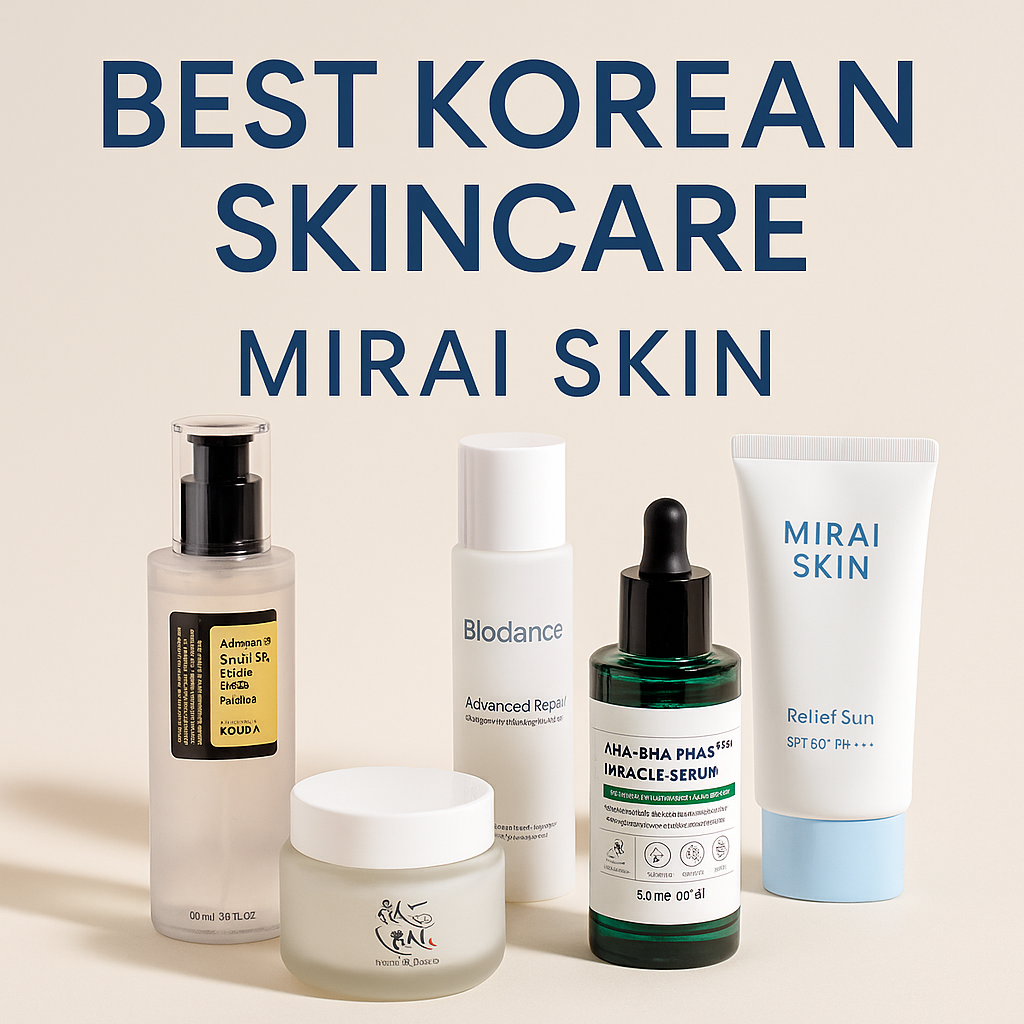
If you're building a beauty routine that goes beyond topical products, Mirai skin is a smart place to explore authentic Korean beauty essentials from verified Korean distributors. Pairing thoughtful skincare with equally thoughtful wellness habits is what makes K-beauty feel like a lifestyle, not just a shelf of products.