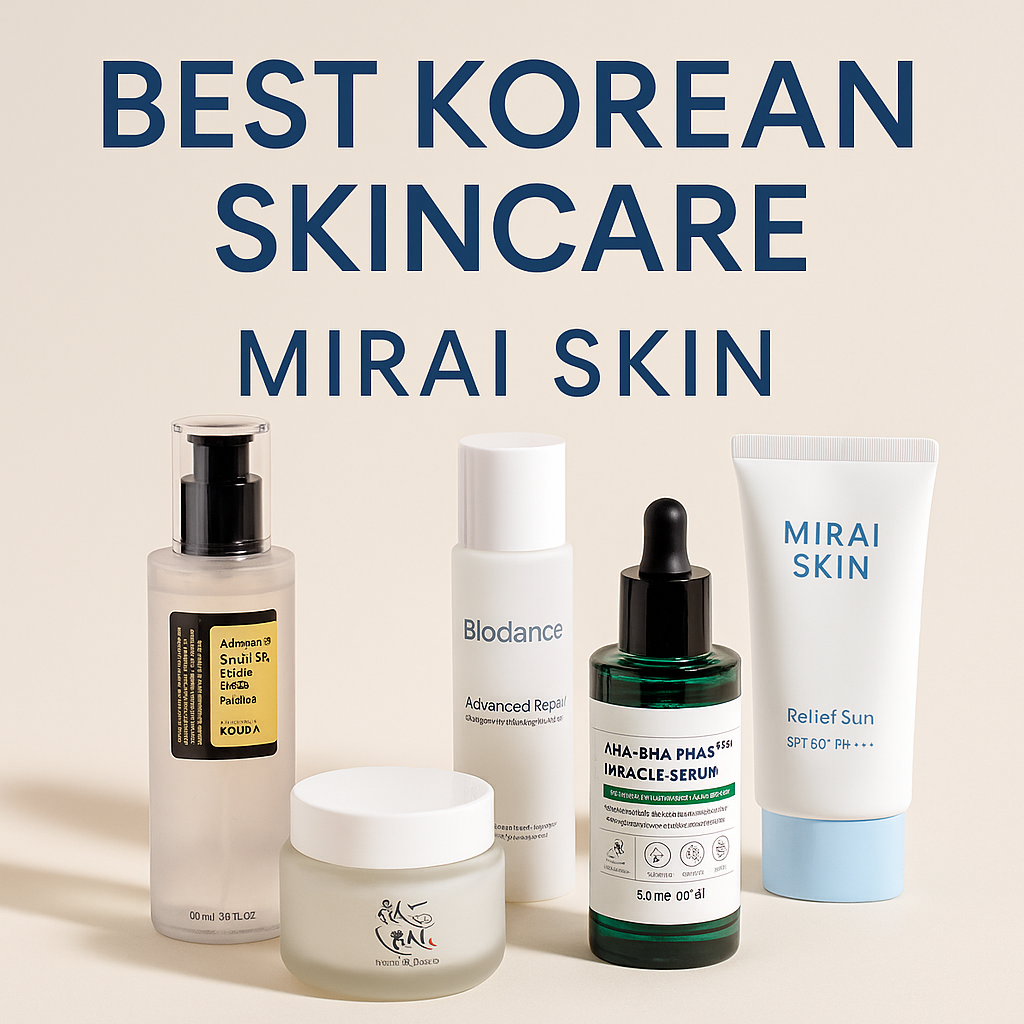
You want your skin to look even, fresh, and healthy. You don't want a heavy base that sits in lines, clings to dry patches, or makes your morning routine feel like a second job.
That's the exact moment korean beauty balm makes sense.
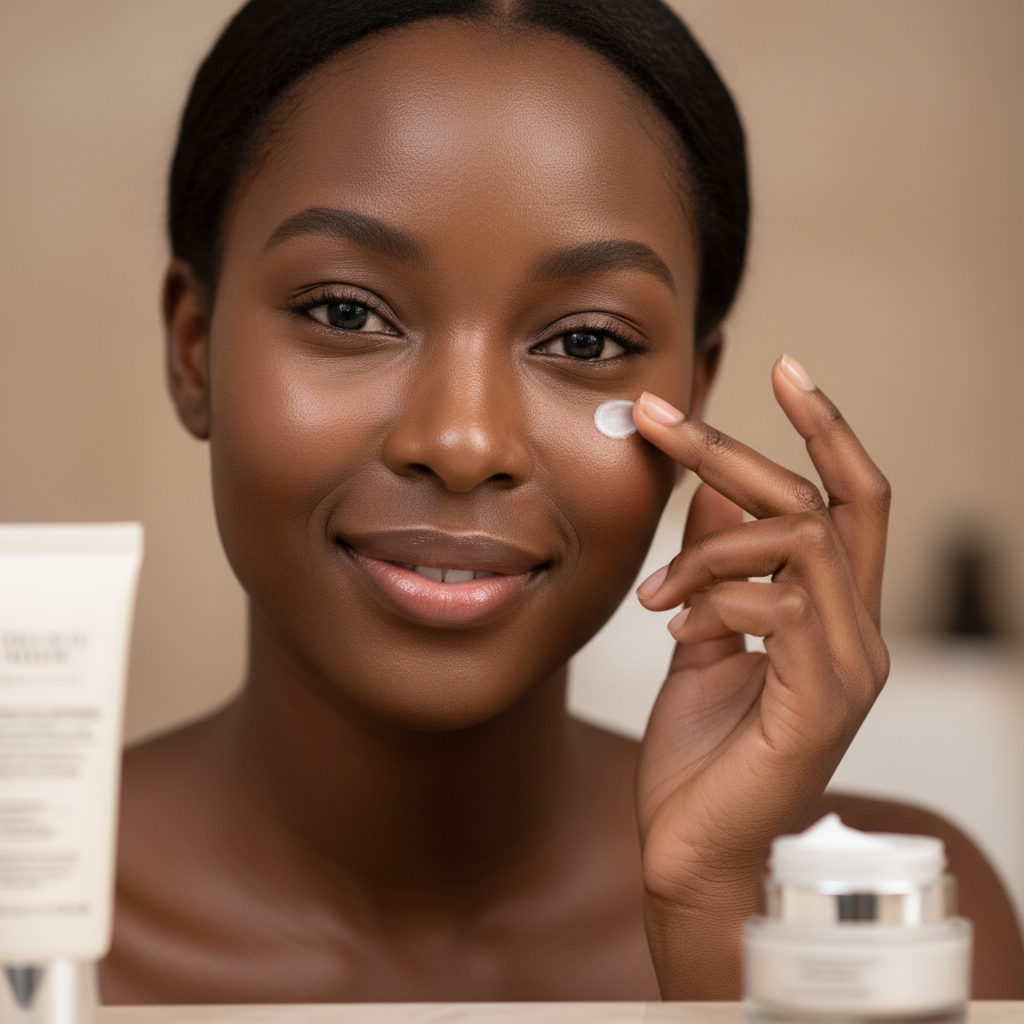
For many people, BB cream is the first product that shows them what K-beauty is really about. Not just glow. Not just trends. A skin-first approach where coverage is meant to support the complexion, not mask it. If you've ever wondered whether a korean beauty balm is makeup or skincare, the better answer is this: it's a complexion product built on skincare logic.
The Rise of the Skincare-Makeup Hybrid
A lot of complexion frustration comes from trying to force one product to do the wrong job. Traditional foundation can give polished coverage, but on an ordinary workday you may not want that much product. A tinted moisturizer can feel lighter, but sometimes it doesn't give enough tone-evening or longevity.
BB cream arrived as the middle path.
When the Korean Beauty Balm, or BB cream, launched in the West in 2011, it marked a major turning point for K-beauty. It was initially developed in the 1960s by a German dermatologist, then refined and popularized in South Korea before becoming a global hit. That influence reached large beauty markets, including North America, which held 34.38% of global revenue share in 2025, as noted in this overview of K-beauty's global expansion.
Why it felt so different
The appeal wasn't just convenience. It was philosophy.
A true korean beauty balm reflects the K-beauty belief that better skin usually starts with daily hydration, barrier support, and prevention. Instead of asking, “How can I cover this up?” the formula asks, “How can I make skin look better while treating it more gently?”
BB cream changed the conversation because it gave people permission to want skin that still looked like skin.
That's why many BB creams feel more forgiving than classic matte base makeup. They tend to favor a natural finish, a softer blur, and a more lived-in look across the day. For ingredient-conscious users, that matters. Your complexion product isn't sitting apart from your skincare routine. It's part of it.
The everyday example
Think of the person who has ten minutes before leaving home. They want to tone down redness around the nose, make uneven pigmentation less obvious, and add a little life back to tired skin. They don't want four separate complexion steps.
A korean beauty balm fits that routine because it was designed for exactly that kind of real life use. It offers a neater, more polished face without pushing you into full-glam territory. That balance is why BB cream stayed relevant long after the first wave of hype.
What Is a Korean Beauty Balm?
A korean beauty balm is a multifunctional complexion product made to support the skin while lightly evening out tone. The original “BB” stands for blemish balm, which helps explain the category's purpose. It is less about masking the face and more about helping skin look balanced, calm, and healthy in everyday life.

A formula built with two jobs
The easiest way to understand BB cream is to look at what it is trying to do on the skin at the same time.
It usually sits between moisturizer and foundation, but that description only tells part of the story. A good BB cream is built with the logic of skincare first, then finished with enough pigment and texture correction to make the complexion look more even. In practice, that means hydration, some visual blurring, light to medium coverage, and a finish that still looks like real skin.
If you are new to the category, this distinction helps:
- A moisturizer focuses on hydration and barrier support.
- A foundation focuses mainly on tone correction and coverage.
- A korean beauty balm combines skin support with a polished, wearable finish.
That blend is the reason BB cream became its own category rather than just another tinted product.
What makes it different from a tinted moisturizer
The confusion is understandable because both can look natural. The actual difference is formulation intent.
A tinted moisturizer usually starts as skincare with a touch of pigment. A korean beauty balm is usually developed more like a complexion product that also has treatment-minded ingredients. So the finish often looks more refined, the coverage usually goes a bit further, and the product tends to wear more like makeup that respects the skin instead of sitting heavily on top of it.
A simple way to judge it is this. If a product mostly gives a sheer wash of color, it is probably a tint. If it also helps smooth the look of texture, reduce the appearance of uneven tone, and support the skin through the day, you are much closer to BB cream territory.
What to expect on the face
Most korean beauty balms are designed for people who want a base product that behaves politely on skin.
That usually includes:
- Natural-looking coverage that softens redness, dullness, or minor discoloration without a mask-like effect
- A skinlike finish with some dimension still visible
- Comfort over hours of wear instead of a dry or tight feeling
- Skincare support through ingredients chosen for hydration, soothing, brightening, or barrier care
This skincare-first design is also why ingredient-aware shoppers tend to like BB cream. If you already pay attention to niacinamide, cica, peptides, snail mucin, or barrier-supporting ingredients, a BB cream often makes more sense than traditional base makeup. It treats your complexion step less like camouflage and more like part of your skin routine.
BB Cream vs CC Cream vs Foundation vs Cushion Compacts
Once you understand the skincare-first logic of a korean beauty balm, the next question is usually practical. Which complexion product should you buy?
That confusion makes sense because these categories overlap. They can all even skin tone. They can all be worn lightly or layered. But they are not interchangeable.
The wider category is also big business. The global K-beauty market was valued at USD 14.61 billion in 2024, with skincare segments like moisturizers and their hybrid evolution, BB creams, helping drive demand because of their multi-tasking hydration, anti-aging, and UV protection positioning, according to Market Data Forecast's K-beauty market report.

A simple side by side view
| Product | Main purpose | Typical coverage | Finish | Best for |
|---|---|---|---|---|
| BB cream | Skincare-first complexion evening | Light to medium | Natural, dewy, or satin | Daily wear, dryness, dullness, quick routines |
| CC cream | Color correction | Light | Natural to satin | Redness, sallowness, mild tone imbalance |
| Foundation | Coverage and tone matching | Medium to full | Matte, satin, radiant, soft-focus | Events, long wear, more perfected makeup looks |
| Cushion compact | Portable liquid base in compact form | Light to buildable medium | Often fresh and luminous | Reapplication, on-the-go touch-ups, glass-skin style finish |
Where BB cream wins
BB cream is the product I reach for when someone says, “I want my skin to look better, but I don't want to look heavily made up.”
It's ideal when your priority is comfort, speed, and a forgiving finish. If your skin gets tight during the day, if foundation emphasizes texture, or if you prefer a complexion product that melts in with fingers, a korean beauty balm is often the smartest first choice.
Where CC cream fits better
CC cream stands for color correcting cream. It's usually more targeted in purpose.
If your main issue is visible redness, slight dullness, or uneven cast rather than texture or dryness, CC cream may serve you better. It often gives less of that cushioned, skincare-rich feel that BB cream lovers want, but it can be useful when tone correction is the top priority.
Foundation still has a place
There's no need to treat foundation like the villain. It just serves a different purpose.
Choose foundation when you need a wider shade range, stronger coverage, or a more formal makeup result. Weddings, photography, long events, and glam looks often call for something with more structure. A korean beauty balm can sometimes be built up, but it usually won't replace a full-coverage base if that's the finish you need.
Cushion compacts are a format, not a finish
This one confuses readers constantly. A cushion compact is mainly a packaging system. The product inside can behave like a BB cream, a foundation, or something in between.
Use a cushion if you value ease and portability. The puff application can create a thin, even layer that looks polished fast. It's also one of the easiest ways to touch up without dragging the skin around.
If you want one everyday answer, start with BB cream. If you want correction, look at CC cream. If you want event makeup, use foundation. If you want convenience, consider a cushion.
Key Ingredients That Define Korean Beauty Balms
The ingredient list is where a korean beauty balm earns its place. A good formula doesn't just tint the skin. It supports the skin while it's on your face.
That's why K-beauty shoppers often read BB cream labels the same way they read serum labels. They're looking for barrier support, calming agents, brightening ingredients, and texture-friendly hydration.

The familiar stars
Many korean beauty balm formulas lean on ingredients that experienced skincare users already know well.
- Niacinamide helps support a brighter, more even-looking tone and can make the overall finish look less dull.
- Centella asiatica or cica is useful when skin runs reactive, flushed, or easily stressed.
- Snail mucin is often valued for repair-focused hydration and a smoother, bouncier look.
- Ceramides help support the barrier, which matters if your makeup tends to catch on dry or compromised skin.
These ingredients don't all appear in every formula, but the pattern matters. K-beauty complexion products are often built to improve wear through skin support, not just through film-formers and pigments.
The more advanced balm technology
Some Korean beauty balms go much further than basic hydration. One example is the use of Salmon Triple Complex, which combines collagen, DNA, and proteoglycan with fermented Jeju Island oils. This system is designed to enhance penetration and can support hydration retention for up to 48 hours, as described on the KAHI Wrinkle Bounce Multi Balm product page.
That kind of formula matters because it changes what “balm” means. Instead of a waxy product that sits on top of the skin, a well-designed balm can act more like a treatment layer with cosmetic payoff.
The smartest balm formulas don't rely on heaviness. They rely on delivery, slip, and skin compatibility.
How to read the ingredient story
When you're evaluating a korean beauty balm, ask three questions:
-
What is it trying to improve?
Look for cues like soothing, brightening, elasticity support, or barrier care. -
How will it wear on my skin type?
Oils, silicones, humectants, and film-formers all affect finish and longevity. -
Does the formula solve a real problem for me?
Dryness, redness, post-acne marks, texture, and dehydration all need different support.
If you already love ingredients like retinol or exfoliating acids in your routine, a korean beauty balm can be a smart balancing product for daytime. It can help keep the complexion looking smooth and comfortable instead of overworked.
Choosing Your Perfect Korean Beauty Balm
You apply your base at 8 a.m., glance in the mirror at lunch, and the result tells you more than any product label. Tight cheeks, a greasy T-zone, redness peeking through, or makeup settling around expression lines are all clues. A Korean beauty balm is meant to respond to those clues first. That skincare-first philosophy is what separates a good match from a product that only looks promising on the box.
Start by judging how your skin behaves, not by the finish trending on social media.
If your skin feels dry by noon
Choose a formula that supports water retention and keeps the surface supple. Humectants draw in water, while barrier-supportive ingredients help keep it there. On dry skin, a slightly radiant or natural finish usually looks healthier than anything too matte, because matte textures can catch on flakes and make dehydration more visible.
A simple test helps. If the area around your mouth or the high points of your cheeks starts to feel tight a few hours after application, your skin is asking for comfort more than extra pigment.
If you get shiny but still dehydrated
Combination-dehydrated skin confuses a lot of shoppers because oil and water are not the same thing. Your skin can produce excess sebum and still lack moisture, much like a sponge that is damp on the surface but dry in the center.
In that case, skip formulas that try to mattify everything. A satin-finish korean beauty balm with calming ingredients usually wears better and keeps texture from looking rough or patchy by the afternoon.
If anti-aging is your priority
Look closely at the treatment side of the formula. Ingredients such as adenosine are common in Korean complexion products because the goal is not only to cover the skin, but also to support how it looks over time. One 2025 report found that adenosine-based balms improved skin elasticity by 18% after 8 weeks, compared with 7% in a placebo group, according to the Luxe Balm reference page.
Use that information correctly. It does not mean every balm with adenosine will give the same result. It does mean the ingredient deserves a second look if your goals include smoother-looking expression lines and a fresher, less fatigued finish.
If redness and sensitivity lead the conversation
Go with a quieter formula. Cica, panthenol, and other soothing ingredients can help reduce the chance that your base feels irritating by midday. Coverage matters less than behavior here. A thin, even layer on sensitive skin usually looks more believable than a heavier layer that sits on top and calls attention to texture.
Shade matching without frustration
Shade range can be the hardest part of buying BB cream well, especially across Korean brands where undertone often matters more than the number on the label.
Use this checklist:
- If your skin turns pink easily, choose a shade that does not add extra rosiness.
- If you have olive or golden undertones, avoid formulas that dry down gray or flat.
- If you are between shades, pick the lighter option only when reviews consistently say the formula stays true in color. If it tends to deepen after application, the slightly deeper shade often blends more naturally into the neck.
If you are comparing products from Mirai skin, use the retailer for side-by-side evaluation of texture, ingredient profile, and stated skin concern rather than choosing by packaging alone.
How to Apply Korean Beauty Balm Like a Pro
Application is where a good korean beauty balm becomes either smooth or disappointing. Most problems people blame on the formula are prep problems, product amount problems, or blending problems.

Start with a prepared canvas
Your skin should be clean, moisturized as needed, and comfortable before you apply any complexion product. If you wear sunscreen, apply that first and let it settle. BB cream is not a substitute for careless sun protection habits.
Then use less product than you think you need. A korean beauty balm usually performs best in thin layers.
Choose the tool based on the finish you want
- Fingers give the most skinlike melt. This is excellent for dry or normal skin and quick morning routines.
- A damp sponge creates the sheerest, freshest finish. It's the easiest route to that softly blurred glass-skin look.
- A brush gives a bit more coverage and precision, especially around the nose and cheeks.
The key is pressing, not dragging. Pressing keeps coverage where you want it and prevents streaks.
Thin layers almost always look more expensive than one thick layer.
For a visual walkthrough, this tutorial shows the kind of controlled, skin-first application that works well with balm textures:
A simple order that works
- Apply a small amount at the center of the face.
- Blend outward toward the edges where coverage is naturally needed less.
- Add a second thin layer only on redness, post-acne marks, or around the nose.
- Press the edges into the jawline and neck.
- If needed, spot-conceal instead of piling on more BB cream everywhere.
Mistakes that make BB cream look worse
- Using too much at once makes the finish slip or bunch.
- Skipping skin prep can make even a good formula catch on flakes.
- Ignoring the neck and hairline leaves a visible border.
- Choosing the wrong finish can exaggerate what you were trying to soften.
- Powdering the whole face immediately can flatten the natural glow that makes BB cream look good in the first place.
Frequently Asked Questions About Korean Beauty Balms
A lot of BB cream confusion comes from treating it like a standard base product. Korean beauty balm was built from a different philosophy. Skin comes first, coverage comes second. Once that clicks, the usual questions get much easier to answer.
Can I skip moisturizer if I use a korean beauty balm
Sometimes, yes, but your skin type decides that more than the label does.
If your formula already contains plenty of humectants, emollients, and a comfortable finish, oily skin may prefer very light prep underneath. Dry or dehydrated skin usually still benefits from moisturizer because water and oil balance affect how evenly pigment spreads across the face. A BB cream can add comfort, but it does not always replace the support layer that keeps skin calm and flexible through the day.
A simple rule helps here. If your skin feels tight after cleansing, use moisturizer first.
Are korean beauty balms safe for acne-prone skin
They can be, but acne-prone skin needs formula reading, not guesswork.
Look beyond the name and check the texture, finish, and ingredient list. Some balms use richer oils, waxes, or film-formers that acne-prone skin may tolerate well, while others may feel too heavy if you clog easily. Patch testing matters, especially if your breakouts are triggered by fragranced formulas or occlusive textures.
Removal matters too. Even a skin-first formula can contribute to congestion if pigment, sunscreen filters, and oils are left sitting on the skin overnight.
What's the best way to remove BB cream
Remove it the way you would remove sunscreen plus makeup.
That usually means starting with an oil cleanser or cleansing balm to dissolve pigments, silicones, and long-wear ingredients, then following with a gentle water-based cleanser if your skin does well with double cleansing. This two-step approach works like loosening paint before washing the brush. You get a cleaner rinse with less rubbing, which is especially helpful if your skin is sensitive or inflamed.
Does BB cream replace foundation
BB cream replaces foundation for people who want a more natural, skin-like result and fewer steps in the morning.
Foundation still serves a different purpose. It usually gives more coverage, more shade range, and more control for photography, events, or a polished full-face look. Korean beauty balm sits in the middle ground. It helps the skin look healthier while softening redness, uneven tone, and minor marks rather than fully masking them.
Why does BB cream stay so popular
Because it matches how many people want to wear complexion products.
Instead of forcing a choice between skincare and makeup, BB cream combines daily comfort, tone evening, and a natural finish in one product category. Earlier market research cited in this article found that 52.6% of worldwide respondents noted K-beauty's general public popularity, and analysts project continued growth for the category overall. That wider interest keeps BB cream relevant because the formula philosophy still makes sense. People want products that help skin look better, not just more covered.