If you've spent any time on social media in the past year, you've probably noticed hair that looks impossibly smooth, reflective, glossy, and perfectly sleek as if every strand were polished individually. That's Korean glass hair, and it's become one of the most sought-after beauty looks worldwide. Unlike heat-styled blowouts or keratin treatments that mask damage, the Korean approach to glass hair focuses on genuine hair health from the scalp down. This guide covers everything you need to replicate the look at home: the philosophy behind it, a step-by-step routine, the best products, and adjustments for every hair type.
What Is Glass Hair and Why Is It K-Beauty's Biggest Hair Trend?
Glass hair refers to hair so smooth and reflective that it resembles a pane of glass, light bounces off the surface in a clean, unbroken sheet. The look originated in Korean celebrity and idol culture, where perfectly maintained hair is as important as a flawless skincare routine. By late 2025, Korean glass hair had exploded across TikTok, Instagram, and YouTube, with millions of searches and tutorials from people trying to achieve that mirror-like shine.
What sets glass hair apart from other glossy hair trends is the emphasis on hair health rather than styling tricks. This isn't about coating strands in silicone to fake a shine that washes out immediately. The Korean method produces genuinely healthier hair through consistent scalp care, targeted treatments, and ingredient-conscious products. The shine is a byproduct of strong, well-nourished hair, not a temporary illusion.
True Korean glass hair has three defining characteristics: extreme smoothness with no frizz or flyaways, high-shine reflectivity that catches light evenly, and a weightless feel that doesn't look greasy or weighed down. Achieving all three simultaneously requires addressing hair quality from the inside out.
The Korean Approach to Hair Care: Scalp-First Philosophy
The most important distinction between Western and Korean hair care is where the focus begins. Western hair care tends to prioritize the ends, split end repair, conditioning treatments, smoothing serums. Korean hair care starts at the scalp.
Treating Your Scalp Like Facial Skin
In Korea, the scalp is considered an extension of your face. It needs cleansing, exfoliation, and nourishment just like your cheeks and forehead. A congested, inflamed, or dehydrated scalp produces weaker hair follicles, which leads to thinning, dullness, and breakage, the opposite of glass hair.
Scalp care in the Korean glass hair routine involves three pillars:
- Cleansing: Removing product buildup, excess sebum, and environmental pollutants from the scalp without stripping its natural moisture.
- Exfoliating: Using scalp scrubs or serums with salicylic acid to clear dead skin cells and unclog follicles, typically once a week.
- Nourishing: Applying scalp essences or tonics with ingredients like ginseng, peptides, or caffeine to stimulate circulation and strengthen hair at the root.
Think of it this way: your scalp is the soil, and your hair is what grows from it. No amount of conditioning will fix hair that's growing from an unhealthy foundation. For deeper insight into scalp health and hair loss prevention, read our guide on the best shampoo and conditioner for hair loss.
The Korean Glass Hair Routine: Step by Step
Here's the complete routine for achieving Korean glass hair at home. You don't need to follow every step daily, some are weekly treatments, but the framework gives you a clear system to work from.
Step 1: Scalp Pre-Treatment (1-2x Per Week)
Before shampooing, apply a scalp scrub or exfoliating serum to dry or slightly damp hair. Massage it into the scalp using your fingertips (never your nails) in circular motions for 2-3 minutes. This loosens buildup, stimulates blood flow, and prepares the scalp for a deeper clean. Rinse thoroughly before moving to shampoo.
Step 2: Gentle Shampoo
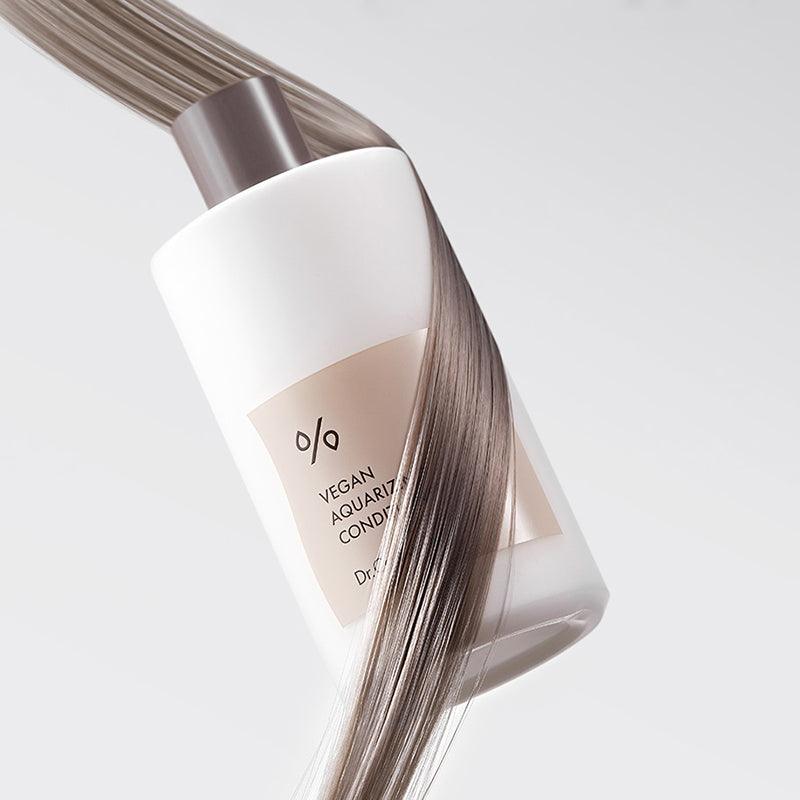
Use a sulfate-free shampoo that cleanses without stripping natural oils. Korean shampoos are formulated to be gentler than most Western counterparts, they prioritize scalp health over aggressive lathering. Massage the shampoo into the scalp (not the lengths of your hair) and let the suds naturally cleanse the mid-lengths and ends as you rinse.
Step 3: Conditioner (Mid-Lengths to Ends Only)
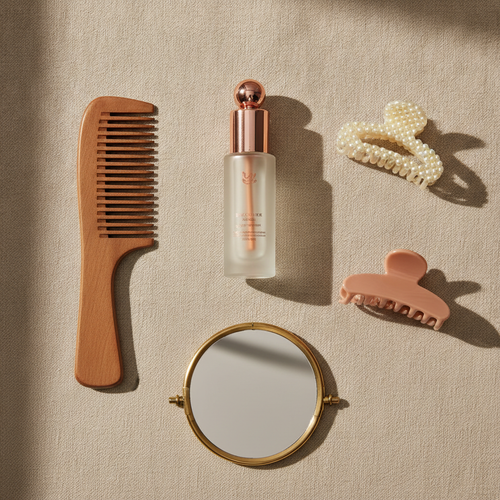
Apply conditioner from the mid-shaft to the ends, avoiding the scalp entirely. Leave it on for 2-3 minutes to allow the conditioning agents to penetrate. For extra glass hair results, use a wide-tooth comb to distribute the conditioner evenly through the hair while it sits.
Step 4: Leave-In Treatment or Hair Serum
After towel-drying (pat, don't rub), apply a leave-in treatment or hair serum to damp hair. Focus on the ends and any areas prone to frizz. Korean hair serums tend to be lighter than Western ones, providing shine and protection without the heaviness. This step is critical for the smooth, reflective finish that defines glass hair.
Step 5: Heat Protection
If you're going to blow-dry or use any heat tools, a heat protectant is non-negotiable. Heat damage is the single fastest way to destroy hair shine and texture. Apply it evenly through damp hair before any heat exposure.
Step 6: Cold Water Rinse Finish
A simple trick that makes a noticeable difference: finish your shower with a blast of cold water over your hair. Cold water closes the hair cuticle, which is the outer layer of each strand. When cuticles lie flat, light reflects evenly off the hair surface, that's what creates the glass-like shine. It takes about 30 seconds and costs nothing.
Best Korean Hair Care Products for Glass Hair
The right products make the routine significantly easier. Here are the standouts available in our hair care collection.
Daleaf Shampoos and Conditioners
Daleaf has built a reputation for scalp-healthy, shine-enhancing hair care. Their shampoos use gentle cleansing agents paired with botanical extracts that nourish without buildup. The matching conditioners provide detangling and smoothing benefits that contribute directly to the glass hair effect. They offer variants for different scalp types (oily, dry, sensitive), so you can match the formula to your specific needs.
Elizavecca CER-100 Collagen Coating Hair Protein Treatment
This cult-favorite treatment coats each strand with collagen and ceramides, filling in damage and creating a protective layer that enhances shine dramatically. Used once or twice a week as a deep treatment (leave on 5-10 minutes before rinsing), it can transform even severely damaged hair over a few sessions. For a detailed look at what this product can do, see our article on whether Elizavecca CER-100 can rescue heat-damaged hair.
Korean Hair Oils and Serums
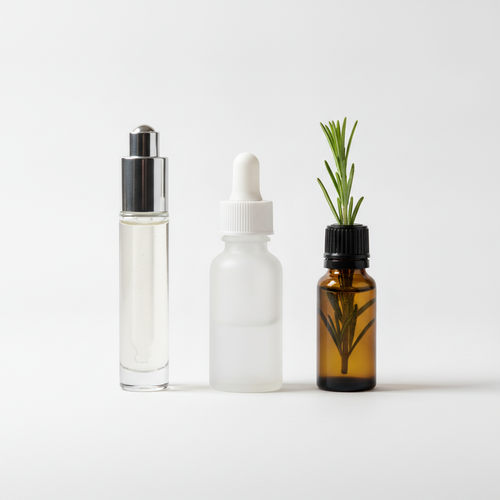
Lightweight camellia oil serums are a Korean staple for glass hair finishing. They add shine without weight and protect against humidity-induced frizz. Apply 2-3 drops to your palms, rub together, and smooth over dry or damp hair focusing on the ends.
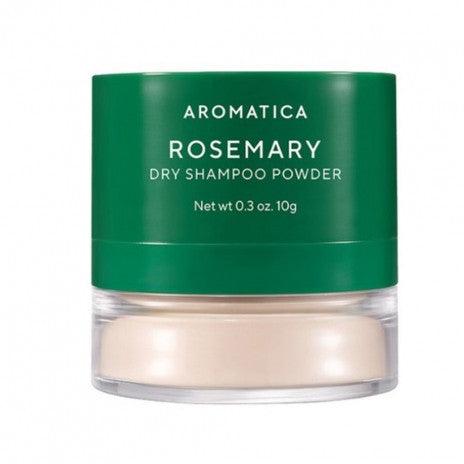
For days when you need to skip a wash, a quality dry shampoo keeps volume without sacrificing shine. Check our roundup of the best dry shampoo for every hair type.
Korean Hair Ingredients That Transform Dull, Damaged Hair
Understanding what's inside your products helps you make smarter choices. These are the ingredients Korean hair care does better than anyone:
Ginseng
Korean red ginseng stimulates scalp circulation, strengthens hair follicles, and has been shown in studies to promote hair growth. It's a foundational ingredient in many Korean scalp treatments and anti-hair-loss shampoos.
Camellia Oil
Camellia japonica oil has been used in Korean and Japanese hair care for centuries. It's rich in oleic acid, absorbs quickly without greasiness, and provides a natural, non-silicone shine that lasts all day. For Korean glass hair, camellia oil is the finishing ingredient of choice.
Ceramides
Just as ceramides repair the skin barrier, they repair the hair cuticle. Hair products with ceramides fill in gaps and cracks in damaged strands, creating a smoother surface that reflects light more evenly.
Peptides
Copper peptides and other hair-specific peptides support keratin production and strengthen hair from within. They're increasingly common in Korean scalp essences and intensive treatments.
Black Bean Extract
Black beans are rich in anthocyanins and isoflavones that nourish hair follicles and support melanin production. Korean hair masks and treatments use black bean extract for both strengthening and color vitality.
Fermented Rice Water
An ancient Asian hair care secret backed by modern research. Fermented rice water contains inositol, a carbohydrate that penetrates damaged hair and repairs it from the inside. It also smooths the cuticle, adds elasticity, and reduces surface friction, all of which contribute to the glass hair finish.
Glass Hair Tips for Different Hair Types
The Korean glass hair look is achievable for everyone, but the approach varies depending on your hair's natural texture and condition.
Fine Hair
Fine hair actually has an advantage for glass hair, it naturally lies flatter, which means better light reflection. The challenge is avoiding products that weigh it down. Use lightweight serums (avoid heavy oils), skip leave-in conditioners if they make your hair limp, and focus on volumizing at the roots while smoothing the lengths. A small amount of camellia oil on the ends is enough.
Thick Hair
Thick hair needs more product and more time, but it can achieve incredible glass hair results. Deep conditioning treatments are your best friend, use the Elizavecca CER-100 weekly. Apply serums more generously than someone with fine hair would, and consider blow-drying with a round brush to smooth the cuticle mechanically before applying a finishing serum.
Curly and Wavy Hair
Glass hair doesn't require pin-straight strands. Curly and wavy hair can be glossy and reflective while maintaining its natural pattern. Focus on hydration and anti-frizz products rather than straightening. Define curls with a lightweight cream or gel, then apply a small amount of hair oil for shine. The goal is smooth, defined curls that catch light, not flat, straightened hair.
Color-Treated Hair
Chemical processing opens the cuticle and removes natural proteins, making color-treated hair more porous and less reflective. Protein treatments (like the CER-100) are essential for rebuilding structure. Use color-safe shampoos and conditioners, and apply a heat protectant religiously. Weekly deep treatments are non-negotiable for color-treated hair chasing the glass hair look.
Frequently Asked Questions
How long does it take to achieve Korean glass hair?
Most people notice a significant improvement within 2-4 weeks of consistent routine practice. Hair that's already in decent condition may see results faster, sometimes after just a few washes with proper products. Severely damaged hair may take 6-8 weeks of weekly protein treatments and consistent scalp care before the glass effect becomes visible.
Can you get glass hair without heat styling?
Absolutely. Heat styling can help smooth the cuticle, but it's not required. Cold water rinses, leave-in serums, and air-drying with a smoothing product can produce the glass hair effect naturally. Many Korean women avoid excessive heat and rely on product-based shine instead.
Is Korean glass hair the same as a keratin treatment?
No. Keratin treatments use formaldehyde or formaldehyde-releasing chemicals to permanently alter the hair structure. Korean glass hair is achieved through daily care and conditioning, not chemical processing. The results are more natural and don't carry the same health concerns or salon expense.
What is the most important product for glass hair?
If you had to choose one product, a quality hair treatment serum or essence makes the biggest difference. It smooths the cuticle, adds immediate shine, and protects against environmental damage. The Elizavecca CER-100 treatment is the most transformative single product for damaged hair seeking the glass look.
Does glass hair work on short hair?
Yes. Glass hair is actually striking on bobs, lobs, and pixie cuts because shorter hair is easier to maintain in uniform condition. Short hair shows fewer split ends and responds faster to treatments, making the glass effect easier to achieve and maintain.