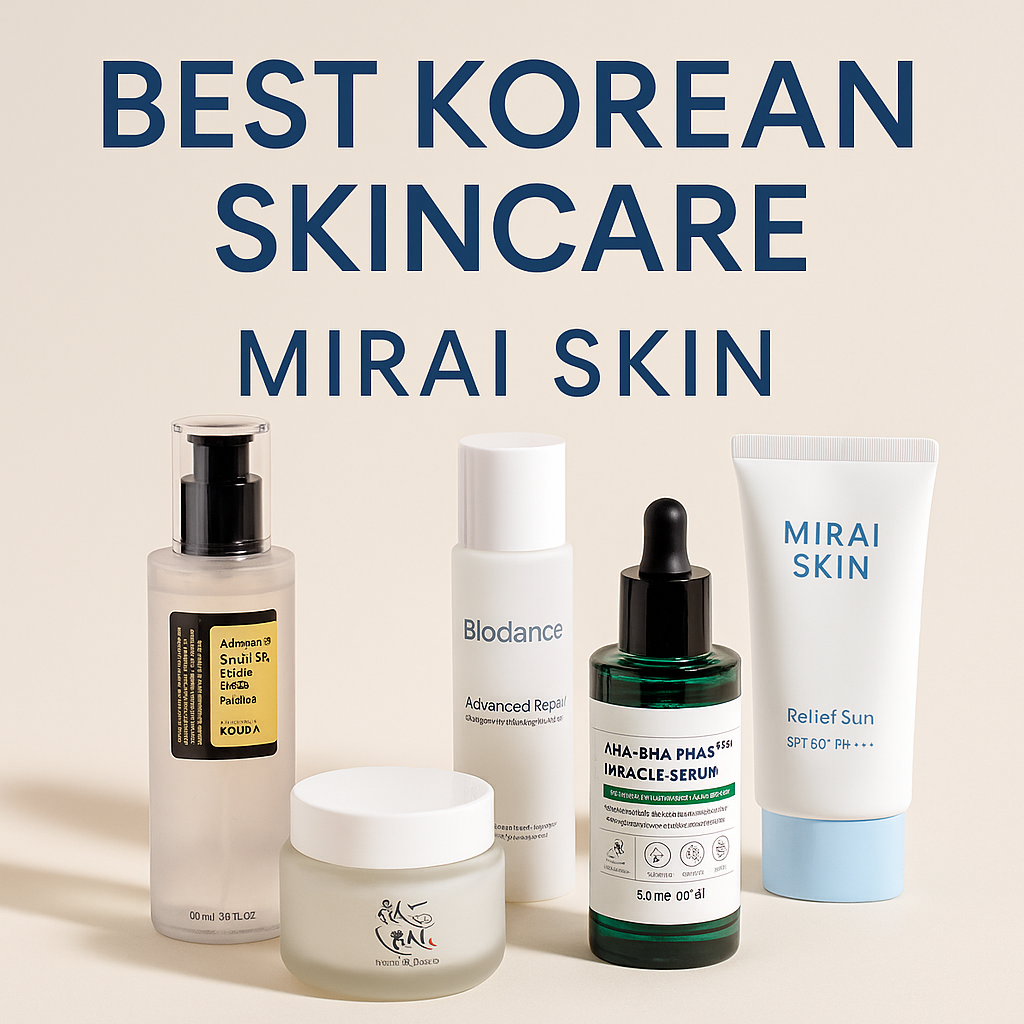
Korean skincare does not exist in a vacuum. The reason Korean women have some of the most enviable skin in the world is not just because of the products they use. It is because Korean beauty culture treats skin health as part of overall wellness, combining smart skincare with nutrition, lifestyle habits, and a deep understanding of how ingredients work together.
In 2026, the global beauty conversation is finally catching up to this idea. More people are realizing that the best skincare routine in the world cannot overcome a lifestyle that works against your skin. This guide connects the dots between what you put on your skin and how you live your life, so you can get the most out of your Korean skincare products.
The Korean Approach: Skin Is a Reflection of Health
In Korea, skin is considered a direct reflection of your internal health. This is not just a cultural belief. It is backed by science. Your skin is your largest organ, and it is deeply affected by what you eat, how you sleep, your stress levels, and your overall physical health.
This is why Korean skincare goes beyond just "apply product, hope for the best." It is a holistic system that includes:
- Multi-step topical care that addresses hydration, protection, and treatment
- Dietary choices that support skin from the inside out
- Lifestyle habits that reduce inflammation and support skin repair
- Ingredient knowledge that helps you choose the right products for your skin
Building Your Korean Skincare Foundation
Before we talk about the wellness side, your topical routine needs to be solid. The core Korean skincare routine focuses on hydration layering and barrier protection:
- Double cleanse (oil cleanser + water-based cleanser) to remove sunscreen, makeup, and daily buildup without stripping your skin
- Hydrating toner applied in 2-3 layers to flood the skin with moisture
- Essence or serum targeting your specific concerns (brightening, anti-aging, acne)
- Moisturizer to seal everything in and support your skin barrier
- Sunscreen (SPF 50+ PA++++) every morning without exception
If you are new to K-beauty and want help building a routine for your specific skin type, Glow Coded's Korean Skincare Routine Guide can help you build the right routine for your skin type. Their ingredient glossary is especially useful when you are layering multiple products and want to make sure everything plays well together.
For product recommendations, browse our full Korean skincare collection to find products suited to your skin type.
The Ingredients That Matter Most
Korean skincare is famous for its innovative ingredients. Understanding what each one does helps you build a more effective routine:
Hydration Heroes
- Hyaluronic acid (multiple molecular weights) draws and retains moisture at every skin level. Found in products like the Torriden Dive-In Serum.
- Rice ferment filtrate brightens while hydrating, with centuries of use in Korean beauty tradition. The I'm From Rice Toner is the gold standard.
- Beta-glucan a soothing humectant that rivals hyaluronic acid in hydration capacity but with added calming benefits.
Barrier Builders
- Ceramides make up 50% of your skin barrier. Korean ceramide creams help rebuild what daily life strips away.
- Centella asiatica (cica) calms inflammation and accelerates skin repair. A staple in Korean products for sensitive and acne-prone skin.
- Snail mucin provides hydration, promotes healing, and supports skin regeneration. Sounds unusual, delivers remarkable results. See the best snail mucin products for 2026.
Active Treatments
- Niacinamide brightens, minimizes pores, regulates oil, and strengthens the barrier. One of the most versatile and well-researched actives.
- Retinol stimulates collagen production and accelerates cell turnover. Korean retinol products tend to be more gentle than Western formulations, buffered with soothing ingredients. New to retinol? Start with Retinol for Beginners.
- Vitamin C provides antioxidant protection and fades dark spots. Korean brands have solved the stability issues that plague many vitamin C products.
Nutrition for Better Skin: The Korean Wellness Connection
Here is where most Western skincare conversations fall short. You can use the best Korean serums and moisturizers, but if your diet is working against your skin, you are fighting an uphill battle.
Korean dietary culture naturally supports skin health. Traditional Korean meals include fermented foods (kimchi, doenjang), collagen-rich bone broths, antioxidant-packed vegetables, and green tea. These are not trendy superfoods. They are everyday staples that Koreans have eaten for centuries.
Foods That Support Your Skin
- Fermented foods (kimchi, yogurt, miso) support gut health, which directly impacts skin inflammation and clarity, a concept explained in depth in The Gut-Skin Connection. A healthy gut microbiome reduces breakouts and redness.
- Omega-3 rich foods (salmon, mackerel, walnuts) reduce inflammation and support the skin's lipid barrier. If your skin is chronically dry or inflamed, increasing omega-3 intake often helps more than switching moisturizers.
- Collagen-supporting foods bone broth, fish, and vitamin C-rich fruits support your body's natural collagen production from within.
- Antioxidant-rich produce berries, leafy greens, sweet potatoes, and green tea neutralize free radicals that cause premature aging.
- Adequate protein your skin is made of protein. Insufficient protein intake directly impairs skin repair and regeneration.
For a deeper dive into how nutrition connects to skin health, Rooted Glow's guide to the gut-skin connection is a great place to start. They also cover ancestral eating and anti-inflammatory nutrition from a practical, research-backed perspective, particularly relevant if you are trying to address stubborn skin issues from the inside out.
Foods That Sabotage Your Skin
- Excess sugar triggers glycation, which breaks down collagen and elastin. High sugar intake accelerates visible aging and worsens acne.
- Processed seed oils high in omega-6 fatty acids, these promote inflammation when consumed in excess. The modern Western diet contains far more omega-6 than our bodies are designed to handle.
- Dairy (for some people) can trigger hormonal acne due to the growth hormones and IGF-1 naturally present in cow's milk. If you struggle with hormonal breakouts, a 30-day dairy elimination trial is worth trying.
- Alcohol dehydrates the skin, disrupts sleep quality, and increases inflammation. Even moderate alcohol consumption has visible effects on skin hydration and redness.
Lifestyle Habits That Transform Your Skin
Sleep: Your Skin's Repair Window
Your skin does most of its repair and regeneration between 10pm and 2am. This is not metaphorical. Growth hormone peaks during deep sleep, driving cell turnover and collagen production. Chronic sleep deprivation visibly ages your skin, increases dark circles, and impairs your skin barrier.
Korean beauty culture takes sleep seriously, which is why sleeping masks and overnight treatments are such a significant product category. Apply a hydrating sleeping pack as the last step of your evening routine to support overnight repair. Browse our sleeping mask collection for options.
Stress Management
Cortisol (the stress hormone) increases oil production, triggers inflammation, and impairs skin healing. The sleep-stress-skin triangle explains how these factors compound. Chronic stress is one of the most underrecognized causes of persistent acne, eczema flares, and premature aging. Korean culture's emphasis on self-care rituals, including the skincare routine itself, serves partly as a daily stress-reduction practice.
Sun Protection as a Lifestyle
UV exposure causes up to 90% of visible skin aging. Korean sun protection culture goes beyond just wearing sunscreen. It includes UV-protective clothing, seeking shade, and reapplying SPF religiously throughout the day. This is the single highest-impact habit you can adopt. Explore our Korean sunscreen collection to find a SPF you actually enjoy wearing daily.
Hydration
Drinking adequate water (2+ liters daily) supports skin hydration from within. While topical hydration (hyaluronic acid, toners) works on the surface, internal hydration ensures your body has the water it needs to maintain plump, healthy skin cells.
Putting It All Together: The Holistic K-Beauty Lifestyle
The most effective approach combines all three pillars:
- Smart topical skincare using Korean products with proven ingredients, applied consistently morning and night
- Skin-supportive nutrition emphasizing whole foods, fermented foods, omega-3s, and adequate protein while minimizing sugar and processed foods
- Healthy lifestyle habits including quality sleep, stress management, daily sun protection, and adequate hydration
No single pillar works as well alone as all three work together. A perfect skincare routine paired with poor nutrition and no sleep will yield mediocre results. Conversely, excellent health habits paired with a simple but consistent skincare routine can produce remarkable skin.
The Korean approach has always understood this. Now the rest of the world is catching on.
Frequently Asked Questions
Can diet really affect my skin?
Yes. Research consistently shows that diet impacts skin health through inflammation, hormonal balance, and gut health. High-glycemic diets (lots of sugar and refined carbs) are strongly linked to acne. Anti-inflammatory diets are associated with clearer, more youthful skin.
How long before lifestyle changes show up in my skin?
Skin cell turnover takes about 28 days, so expect to see initial changes within 4-6 weeks of consistent dietary and lifestyle improvements. Full results typically appear at the 2-3 month mark.
Do I need a 10-step Korean skincare routine?
No. A consistent 4-5 step routine (cleanser, toner, serum, moisturizer, sunscreen) is more effective than an inconsistent 10-step routine. Add steps only when your skin needs them and you can commit to doing them daily.
What is the most important thing I can do for my skin?
Wear sunscreen every day. After that, focus on consistent hydration (both topical and internal) and getting adequate sleep. These three habits alone will outperform any expensive serum or treatment.
Ready to build your Korean skincare routine? Explore our complete K-beauty collection and find the products that match your skin type, concerns, and goals.