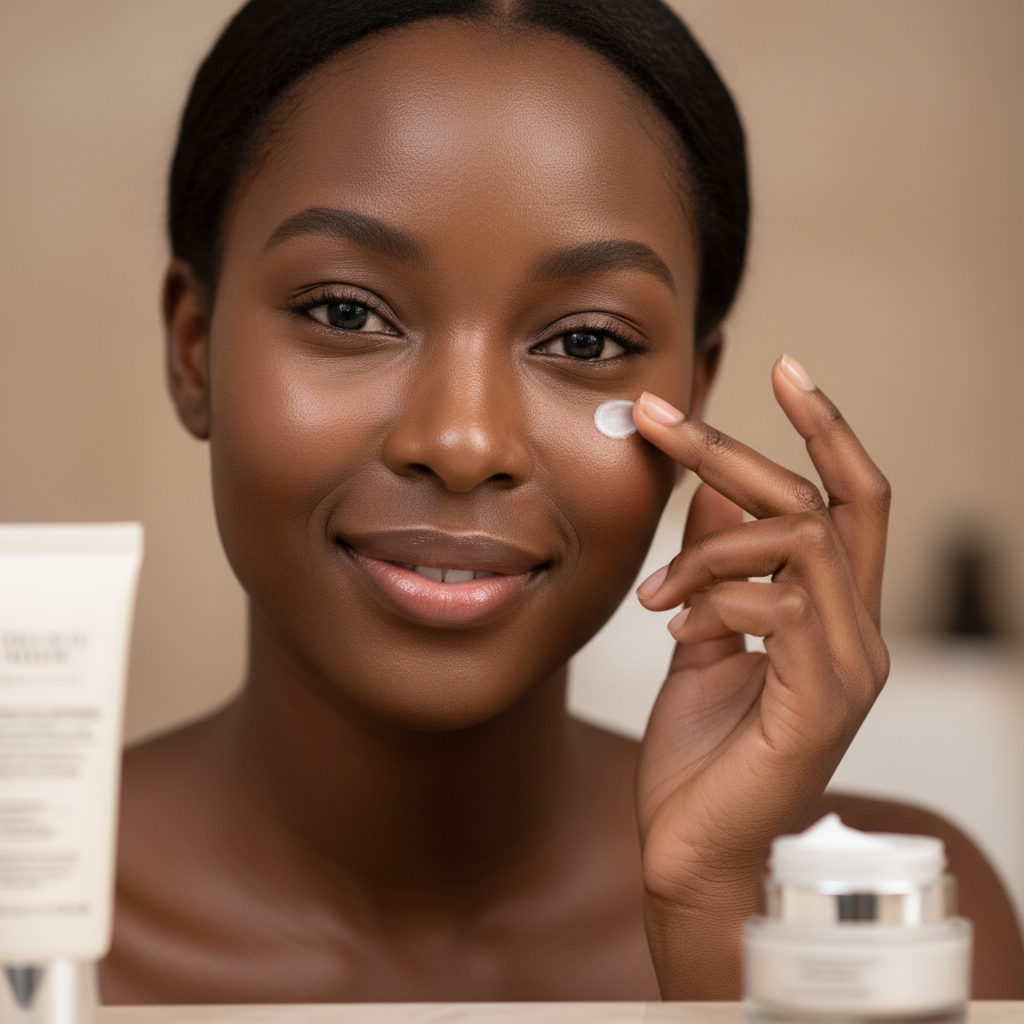
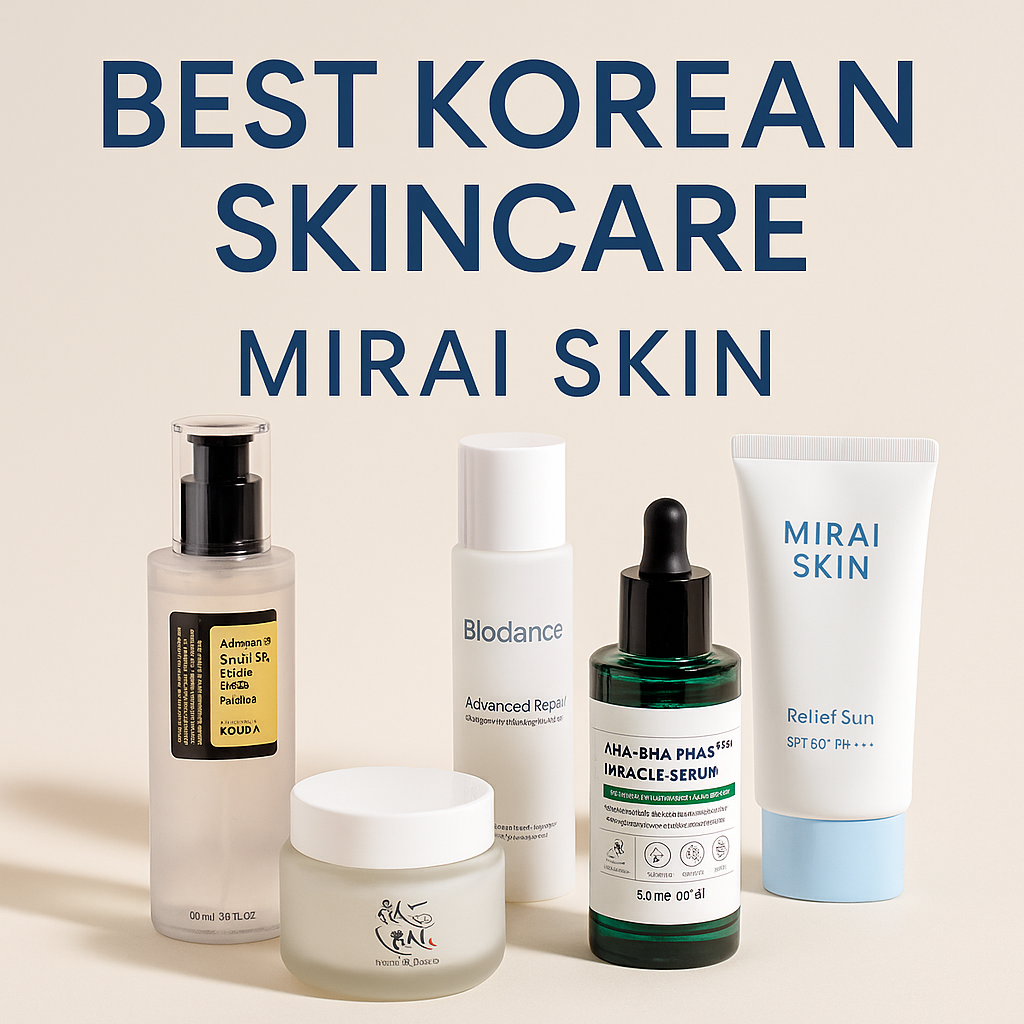
The Korean skincare routine has redefined how the world thinks about daily skincare. What began as a cultural tradition rooted in dermatological research and generations of beauty knowledge has become the global benchmark for healthy, glowing skin. Unlike the Western focus on treating problems after they appear, a Korean skincare routine is built around prevention, hydration, and gentle consistency. The goal is not a quick fix. It is long-term skin health that shows up as the clear, luminous complexion often described as glass skin.
This guide walks you through the complete Korean skincare routine for 2026, covering the philosophy, every morning and evening step, a simplified beginner version, adaptations for different skin types, and the exact products at Mirai Skin that make each step work. Whether you want the full 10-step experience or a streamlined 4-step routine, everything you need is here.


The Korean Skincare Philosophy
Before listing steps and products, it helps to understand why Korean skincare works. Three principles separate a Korean routine from a typical Western one.
Prevention over correction
Korean skincare culture treats daily routine as the intervention, not the crisis. The logic is simple: preventing damage is easier than reversing it. That translates into generous use of sunscreen, antioxidants applied early, and a refusal to wait for problems like wrinkles, dark spots, or dehydration to show up before addressing them. A Korean skincare routine is designed to keep skin in a healthy baseline state, not to fight fires.
Hydration layering
Instead of relying on one heavy moisturizer, a Korean skincare routine layers multiple lightweight hydrating products. A watery toner, a concentrated essence, a targeted serum, and a sealing cream each add moisture in a different form. This layering approach, sometimes called the "seven skin method" when done with toner alone, allows skin to drink in water without feeling suffocated. The result is plump, bouncy skin without the greasy finish that heavy single-product routines often leave behind.
Barrier-first thinking
Your skin barrier is the outermost layer that holds moisture in and keeps irritants out. When the barrier is compromised, everything else fails: serums sting, moisturizers cannot seal properly, and active ingredients cause breakouts instead of results. Korean formulas lead with barrier support using ingredients like ceramides, heartleaf (houttuynia cordata), panthenol, centella asiatica, and fermented extracts. A Korean skincare routine does not assault the barrier with high-strength actives. It reinforces it first so every other step can work.
Morning Korean Skincare Routine
The morning routine is lighter and protective. The purpose is to refresh skin, seal in hydration, and shield against UV damage and pollution for the day ahead. A typical AM Korean skincare routine has 5 to 7 steps.


Evening Korean Skincare Routine
The evening routine is where deeper work happens. With no sunscreen or makeup to apply after, you can use treatment ingredients that reward patience. A full PM Korean skincare routine runs 8 to 10 steps and always begins with the double cleanse.
Step 3: Exfoliation (2 to 3 times per week only)
Exfoliation is not a daily step. 2 to 3 times per week, use a gentle chemical exfoliant (AHA, BHA, or PHA) to remove dead skin cells that cause dullness and clogged pores. On other nights, skip directly to toner. Over-exfoliating is one of the most common Korean skincare routine mistakes and a fast path to a damaged barrier.
Step 6: Treatment Serum, Ampoule, or Actives
Evening is the right time for stronger active ingredients: retinol, niacinamide, vitamin C (if not in AM), peptides, or targeted treatments for dark spots, acne, or wrinkles. Apply these before your hydrating serum and allow 5 to 10 minutes for absorption. If you are using retinol, start with 2 nights per week and build tolerance slowly. Never combine high-strength retinol with AHAs or BHAs in the same session.
Step 10: Occlusive (for very dry skin)
In the driest climates or during winter, very dry skin benefits from a final occlusive layer, also called "slugging," using a petrolatum or squalane-based product. This creates a physical barrier that prevents transepidermal water loss overnight. Skip this step if you are acne-prone, since occlusives can trap sebum.
Korean Skincare Routine for Beginners
If 10 steps sound overwhelming, start with this simplified 4-step Korean skincare routine. It covers the essentials and can be expanded once you build the habit.
- Cleanse. Use a gentle foam cleanser morning and night. At night, double cleanse with oil first if you wear makeup or sunscreen.
- Hydrate. Apply a hydrating toner or essence to damp skin. One product, patted in well, is enough to start.
- Moisturize. Seal with a ceramide-rich cream like AESTURA Atobarrier 365 Cream both morning and night.
- Protect. Apply SPF50+ PA++++ every morning without exception. This is the single highest-impact step in any routine.
This 4-step base covers the majority of skin needs. Once it becomes automatic, add an essence, a serum, or an eye cream one at a time. Korean skincare is a habit, not a shopping list.
Korean Skincare Routine for Different Skin Types
A Korean skincare routine is a framework, not a rigid formula. The same steps adapt to different skin types with the right product choices.
Oily and acne-prone skin
Focus on pore care, oil control, and gentle actives. Use a low-comedogenic oil cleanser (heartleaf-based), a BHA toner 2 to 3 nights per week, and lightweight gel moisturizers. Skip heavy occlusives. Niacinamide serums help balance oil and reduce post-inflammatory marks. Sunscreen should be a gel or fluid texture with a matte finish to avoid adding shine.
Dry skin
Hydration layering is your best friend. Use the seven skin method with toner, follow with an essence, a hydrating serum, a rich ceramide cream, and a sleeping mask at night. Avoid foaming cleansers that strip oil. Cream or milky cleansers are gentler. A sunscreen with a hydrating base like birch juice keeps skin from feeling tight under SPF.
Sensitive or reactive skin
Simplify and stick to barrier-first ingredients: centella asiatica, heartleaf, panthenol, ceramides. Avoid fragrance, essential oils, and high-strength actives. Patch test everything new for 3 days on the inner forearm before applying to the face. Mineral or hybrid sunscreens tend to feel better on reactive skin than pure chemical formulas.
Combination skin
Balance hydration and oil control by using different products on different zones. A lightweight essence and serum all over, plus a richer cream only on dry areas (cheeks, jawline) and a thinner layer on the T-zone. Toners and essences work across all zones. Balanced sunscreens like Round Lab Birch Juice sit well on combination textures.
Mature or aging skin
Introduce retinol or retinoids 2 to 3 nights per week to support cell turnover, along with peptide serums for firmness. Use vitamin C in the morning for antioxidant protection and gradual brightening. A rich ceramide moisturizer and a retinoid eye serum like AESTURA Regederm 365 target the earliest signs of aging. SPF is the most powerful anti-aging product in any routine, so use it religiously.
How Long Does a Korean Skincare Routine Take?
The full 10-step evening routine takes about 10 to 15 minutes when done mindfully. The morning routine is faster at 5 to 8 minutes. A beginner 4-step routine takes under 5 minutes in either AM or PM.
If time feels tight, these adjustments help:
- Pat, do not wait. Products absorb fastest when patted into damp skin. The "wait 10 minutes between steps" rule is a myth. Most Korean skincare influencers layer in rapid succession.
- Layer on damp skin. Skin absorbs water-based products best when still slightly wet from the previous step.
- Combine steps. A sleeping mask can replace both moisturizer and overnight treatment. A tinted SPF can replace primer and foundation.
- Use multi-function products. An essence-toner, a serum-cream, or an SPF moisturizer can cut steps without cutting results.
Common Korean Skincare Routine Mistakes
These are the mistakes that quietly sabotage otherwise good routines.
Over-exfoliating
Using an AHA, BHA, or physical scrub every day destroys the skin barrier. Once the barrier is compromised, skin becomes red, tight, flaky, and reactive. Exfoliate no more than 2 to 3 times per week and pause entirely if skin feels sensitive.
Skipping sunscreen
Every dollar spent on serums, essences, and retinol is wasted if you do not wear SPF every morning. UV damage creates the problems the rest of your routine is trying to fix. Indoors does not exempt you, since UVA rays pass through windows. Apply SPF50+ PA++++ daily, year-round.
Wrong product order
The general rule is thinnest to thickest, water-based to oil-based. Skipping this order means heavier products block lighter ones from absorbing. Toner before essence, essence before serum, serum before cream. Sunscreen always goes last in AM.
Mixing conflicting actives
Retinol plus AHAs in the same session is too aggressive for most skin. Vitamin C plus niacinamide is tolerated by most people, despite older warnings. High-strength AHAs plus strong BHAs in one routine usually over-exfoliates. Alternate actives on different nights rather than stacking them.
Using too many products too fast
Introducing five new products at once means you cannot tell which one helped or hurt. Add one product every 1 to 2 weeks and watch for reactions. Patience is a Korean skincare virtue.
Treating the routine as optional
Skincare rewards consistency, not intensity. A simple routine done daily for a year beats an elaborate one done sporadically. If you can only commit to four steps, make them the ones you will actually do every day.
Frequently Asked Questions
Is the 10-step Korean skincare routine really necessary?
No. The 10-step routine is a framework, not a prescription. Most Koreans do not use all 10 steps daily. A simplified 4 to 6 step routine, done consistently, delivers most of the benefit. Start simple, add steps only if they solve a specific problem.
What is the correct order for a Korean skincare routine?
Cleanse, tone, essence, serum, eye cream, moisturizer, and sunscreen in the morning. At night: oil cleanse, foam cleanse, (optional exfoliant), tone, essence, treatment, hydrating serum, eye cream, moisturizer or sleeping mask. The rule is thinnest to thickest, water-based before oil-based.
What is the minimum Korean skincare routine?
The minimum effective routine is cleanse, moisturize, and SPF in the morning, plus cleanse and moisturize at night. Four steps total, and they will noticeably improve most people's skin. Everything else is optimization.
How long before I see results from a Korean skincare routine?
Hydration improvements show within days. Brightness and texture shifts appear in 4 to 6 weeks, which is one skin cell turnover cycle. Anti-aging effects like firmness and wrinkle reduction require 3 to 6 months of consistent use. SPF benefits are visible over years as prevented damage.
Can I mix Korean skincare brands in one routine?
Absolutely. Most Korean skincare users mix brands based on what works for each step. The routine framework is what matters, not brand loyalty. Just avoid stacking multiple strong actives from different brands without checking compatibility.
Should my morning and evening routines be different?
Yes. Morning focuses on protection (antioxidants, SPF, light hydration). Evening focuses on repair (thorough cleansing, actives, richer moisturizers). The steps overlap but the intent differs. Retinol, for example, belongs only in the PM routine.
How often should I use Korean toner?
Twice a day, morning and night, every day. Korean toners are hydrating and pH-balancing, not drying astringents. The more often you layer a gentle hydrating toner, the plumper and healthier your skin will look. The seven skin method is one way to maximize this effect.
A Korean skincare routine is less about the number of products and more about the philosophy behind them: hydrate, protect, and support the barrier every single day. Start with the basics, build slowly, and let consistency do the work. Every product featured in this guide is available at Mirai Skin and ships across the US.