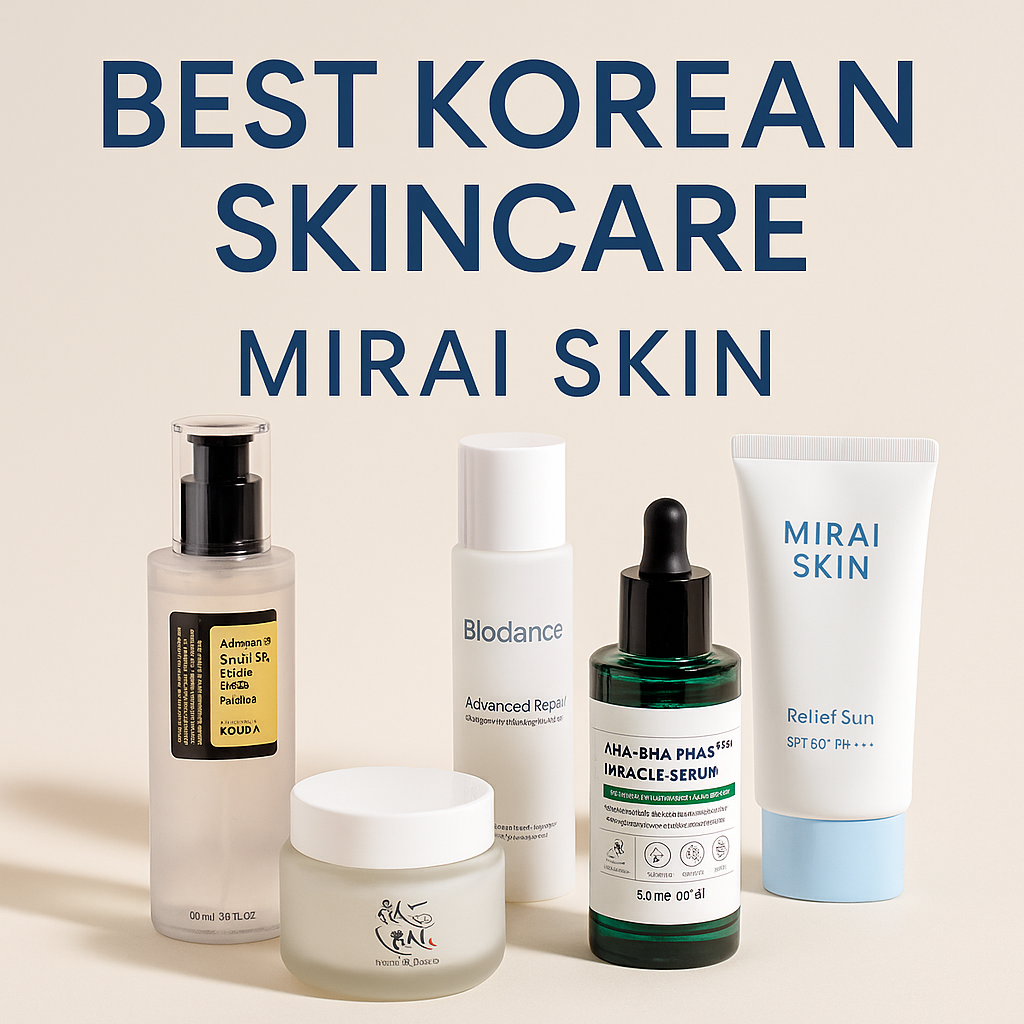
You open Reddit to figure out a korean skincare routine reddit thread once and suddenly you're ten tabs deep. One person swears by snail mucin. Another says skip toner. A third posts a shelf full of products that looks more like a chemistry bench than a bathroom counter.
That confusion makes sense. Reddit helped turn K-beauty into a global habit, and it did it fast. Around 2013 to 2014, the conversation surged, with r/AsianBeauty growing from about 1,000 members to over 1 million by 2022. By 2025, it reached 1.2 million members, and 42% of US Gen Z women in a Statista survey said they discovered K-beauty via Reddit, which says a lot about where routine education now happens (Statista K-beauty discovery data).
The good news is that Reddit isn't wrong. It's just noisy. Buried under haul posts, holy grails, and strong opinions, the community has produced a very practical consensus: your routine should fit your skin, your climate, and your tolerance for consistency. The best korean skincare routine reddit advice isn't "buy more." It's "layer smart, go slowly, and stop copying routines that aren't built for your face."
Navigating the World of Reddit Skincare Advice

Reddit has always been good at one thing that glossy beauty marketing isn't. It shows what people use long enough to keep repurchasing. That matters in K-beauty, where trends move quickly and product hype often outruns product fit.
Years spent reading r/AsianBeauty threads teach you a pattern. The posts that help most aren't the most dramatic before-and-afters. They're the calm breakdowns from people who explain why they cut a routine down, swapped a texture, or stopped irritating their skin trying to force a viral method.
What Reddit gets right
The subreddit culture around K-beauty made several ideas mainstream long before they became common elsewhere:
- Layering with purpose instead of relying on one harsh treatment product
- Barrier care first when skin feels tight, red, flaky, or reactive
- Texture matching so oily skin isn't smothered and dry skin isn't under-moisturized
- Authenticity concerns because counterfeit products are a real issue in global K-beauty shopping
That last point is easy to overlook. Reddit users often care as much about where a product comes from as what it contains, especially with heavily discussed staples from brands like COSRX, Innisfree, and Beauty of Joseon.
Reddit is useful when you treat it like a long-running lab notebook, not a rulebook.
What Reddit gets wrong
The platform also rewards extremes. Ten-step routines get attention. "Holy grail" labels spread faster than boring, effective basics. New readers end up thinking they need a full shelf before they need a cleanser and sunscreen.
A better way to use reddit skincare advice is to filter every recommendation through three questions:
- What problem is this step solving
- Does my skin need it
- Can I use it consistently without irritation or waste
If the answer to the third question is no, that product isn't a good fit, no matter how often it's mentioned.
The Reddit-Approved Korean Skincare Framework
The classic Korean routine is often described as ten steps, but experienced users rarely treat it like a strict checklist. The actual structure is simpler. Apply products from thinnest to thickest, and let each layer do a clear job.

On r/AsianBeauty routine discussions, the underlying logic stays consistent. Oil cleansers emulsify sebum, toners hydrate with humectants, essences use low-viscosity ferments for deeper penetration, serums deliver targeted actives, and moisturizers with ceramides help support the lipid barrier. The order isn't aesthetic. It helps product delivery and keeps the routine easier on the skin.
Cleanse first, but don't over-cleanse
If you wear sunscreen, makeup, or long-wear base products, an oil cleanser at night does work that a foaming cleanser often can't. It breaks down sunscreen films, excess sebum, and stubborn residue without requiring aggressive rubbing.
Then comes a water-based cleanser. This second cleanse removes leftover residue and sweat, but it should feel gentle. If your skin squeaks after cleansing, that's usually not a win.
A practical split looks like this:
- Oil cleanser at night if you wore SPF or makeup
- Water cleanser after to finish the job
- Morning cleanse based on need, which can mean a light rinse or a gentle cleanser if you wake up oily
Hydrate and treat in layers
Many people either overdo it at this stage or finally understand why K-beauty works.
A toner isn't there to strip skin. In the K-beauty framework, it's usually a hydration step. Think glycerin, betaine, panthenol, or watery soothing ingredients. A good hydrating toner makes the next step feel easier to absorb.
An essence is usually thinner than a serum and often focuses on overall skin condition, hydration, and softness. Fermented essences, mugwort essences, and snail-based formulas all sit in this territory, though the ingredient profile matters more than the label.
Serums and ampoules are your targeted step. That's where niacinamide, retinal, vitamin C derivatives, centella complexes, propolis, or tranexamic acid usually enter.
Practical rule: If two treatment products do the same job, you probably don't need both.
Seal and protect
A moisturizer isn't optional just because your toner feels hydrating. It helps reduce water loss and makes the rest of the routine stick around longer. For many users, ceramide creams and gel creams are where routine success is decided.
In the morning, SPF is the finish line. Without it, brightening steps and pigment-focused products don't get the support they need. At night, the final layer can be a standard moisturizer or a richer occlusive approach if your barrier feels compromised.
Building Your Morning and Night Routines
You do your full routine at 11 p.m., wake up greasy, then try to fix it by stripping everything back in the morning. Reddit threads on Korean skincare are full of that cycle. The routines that hold up in real life give AM and PM different jobs, then keep each one tight enough to repeat every day.

A solid morning routine
Morning routine failures usually come from excess. Too many layers can pill under sunscreen, sting around the eyes, or leave oily skin looking shiny by noon. The Reddit-tested approach is simpler. Keep hydration, keep comfort, keep UV protection.
A practical AM setup:
- Rinse or use a gentle cleanser if you wake up oily, sweaty, or used heavy products overnight
- Hydrating toner or essence to add water and reduce that tight, washed feeling
- One treatment serum if you have a clear reason for it, such as niacinamide for excess oil or a calming serum for redness
- Moisturizer that matches the weather and your skin's oil level
- Sunscreen every day, with enough product to get the labeled protection
Customization matters more here than step count. In humid weather, oily skin often does better with a light gel moisturizer or a moisturizing sunscreen instead of two rich layers. Dry skin usually needs a separate cream under SPF or it starts feeling rough by mid-morning.
If makeup is part of your routine, test your sunscreen with the rest of your base. Elegant formulas still pill if the layers underneath are too sticky or silicone-heavy.
A more targeted night routine
Night gives you more room to correct problems, but Reddit's best advice is still conservative. Add one job per step. If a product has no clear role, it usually becomes irritation, clutter, or wasted money.
A practical PM setup looks like this:
- Oil cleanse if you wore sunscreen, makeup, or water-resistant products
- Water-based cleanse to remove sweat, residue, and the oil cleanser itself
- Hydrating layer such as toner or essence
- Targeted treatment such as a retinoid, azelaic acid, BHA, or a pigment serum
- Moisturizer to reduce water loss and make stronger actives easier to tolerate
The biggest Reddit shift is often in cleansing habits. People stop using wipes, stop over-scrubbing, and stop assuming squeaky skin is clean skin. A proper first cleanse breaks down sunscreen well. A gentle second cleanse finishes the job without leaving the barrier raw.
Treatment timing matters too. Retinoids, exfoliating acids, and stronger pigment products are usually easier to manage at night because you are not layering them under sunscreen and makeup. If your skin is reactive, use the "one active per night" rule before trying combinations.
Here's a helpful visual if you want to see how people build a simple AM and PM flow in practice:
What belongs only in one routine
Some steps can appear in both routines. Others work better when you assign them a clear time slot.
| Step | Morning | Night |
|---|---|---|
| Oil cleanser | Rarely needed | Usually yes if you wore SPF or makeup |
| Water cleanser | Optional, based on skin feel | Usually yes |
| Hydrating toner | Often useful | Often useful |
| Essence | Optional | Optional |
| Treatment serum | Keep it light and SPF-friendly | Better for stronger actives |
| Moisturizer | Yes | Yes |
| Sunscreen | Yes | No |
The practical version of Korean skincare is not "do more." It is "do the right amount, twice a day, for long enough to see a result." AM should feel easy to maintain. PM is where you place the products that need more patience and more control.
Product Guidance for Every Skin Type
A shelf full of viral products can still give mediocre results if the textures fight your skin. Reddit's better K-beauty advice has always been more practical than the stereotype suggests. The goal is to choose products your skin will tolerate and that you will keep using long enough to judge.
Community archives point to the same pattern again and again. People see the best results from hydration that matches their skin type, sunscreen they do not mind wearing daily, and restraint with actives. That is why two routines can both be "K-beauty" and look nothing alike.
Korean skincare texture guide by skin type
| Product Step | Oily / Acne-Prone | Dry / Dehydrated | Combination | Sensitive |
|---|---|---|---|---|
| Cleanser | Low-foam gel, light oil cleanser at night | Cream cleanser, nourishing balm or oil first cleanse | Gel or milk cleanser depending on zone | Fragrance-free gel or milk cleanser |
| Toner | Watery, fast-absorbing, minimal residue | Milky or layered hydrating toner | Watery on oily areas, extra layers on dry areas | Soothing, simple humectant toner |
| Essence | Lightweight ferment or calming essence | Snail mucin, ferment, or richer hydrating essence | Flexible, usually one hydrating essence | Minimal-ingredient soothing essence |
| Serum | Niacinamide, propolis, BHA-adjacent support | Ceramides, hyaluronic acid, peptides | Spot treat by concern | Centella, panthenol, barrier serum |
| Moisturizer | Gel cream or light lotion | Cream with ceramides, squalane, or richer emollients | Gel cream on T-zone, cream on cheeks | Barrier cream with low irritancy |
| SPF | Lightweight fluid or gel sunscreen | Cream sunscreen with moisture | Thin layers that don't pill | Fragrance-free, comfortable finish |
Oily and acne-prone skin
Oily skin gets bad advice online. People often recommend stripping cleansers, aggressive acids, and mattifying layers from top to bottom. That can reduce shine for a few hours, then leave the skin tight, irritated, and producing even more oil by afternoon.
Start with lighter textures and fewer total layers. Watery toners, calming serums with centella or propolis, gel creams, and sunscreens that dry down cleanly usually work better than rich creams sold as "barrier repair" for everyone. If breakouts are frequent, keep the base routine boring and steady, then add one acne treatment with a clear job. A reliable routine beats a crowded one.
Dry and dehydrated skin
Dry skin often does well with classic K-beauty layering, but only if the layers hold water in the skin. A watery toner alone can feel great for ten minutes and then disappear. Pair humectant layers with something that seals them in.
Milky toners, snail mucin, ceramide creams, and richer essences are common wins here. If skin feels rough, dull, and tight after cleansing, fix that first. Strong brightening serums and frequent exfoliation usually give less payoff than better moisturization.
Dry skin usually improves faster from better water retention and less irritation than from adding another active.
Combination skin
Combination skin benefits from selective placement, not loyalty to one texture across the whole face. That is the Reddit lesson people keep rediscovering after wasting money on "balanced" products that are just average everywhere.
Use one light hydrating step all over if you like. Then adjust the last one or two layers by area. Gel cream on the T-zone, richer cream on the cheeks, and treatment only where the actual problem shows up. This approach looks less elegant on a shelf, but it works.
Sensitive skin
Sensitive skin needs fewer variables. The common mistake is buying five soothing products at once after one bad reaction, then having no idea which formula is helping and which one is making things worse.
Focus on a short ingredient list and a low-irritation finish. Products built around ceramides, panthenol, centella, and glycerin tend to be easier to troubleshoot than heavily fragranced glow products or formulas packed with botanical extras. Introduce actives slowly, even the ones Reddit calls gentle, because sensitive skin often reacts to concentration, layering, or frequency more than marketing claims.
A useful rule is to choose your category first, then your formula. For example, if your skin is oily and reactive, a light calming serum makes more sense than a thick anti-aging ampoule, even if both have popular ingredients. If your skin is dry and sensitive, a bland barrier cream is often a better purchase than a trendy exfoliating toner.
Skin type labels help, but they are not the final answer. Watch for the practical signs. Midday grease suggests lighter layers. Tightness after washing suggests a gentler cleanser or a better moisturizer. Stinging means reduce variables and rebuild. That is the version of K-beauty Reddit gets right. Products should fit real skin behavior, not the fantasy routine.
Essential Dos and Don'ts from Community Wisdom
Reddit is full of product recommendations, but the best advice is usually behavioral. Good skin often comes from what you stop doing, not what you buy next.
Do build slowly
Start with a routine you can repeat when you're tired, busy, or annoyed. That usually means cleanser, moisturizer, and sunscreen first. Then add one useful thing at a time.
The community's most reliable habits look like this:
- Patch test new products before putting them everywhere
- Introduce one product at a time so you can identify reactions
- Adjust by season and climate instead of forcing the same routine year-round
- Watch your skin, not the label because "for sensitive skin" doesn't guarantee compatibility
A recurring discussion on Reddit involves whether K-beauty routines translate equally well across climates and skin backgrounds. Dermatology literature supports the basic concern. Ingredient performance can vary across ethnicities, humidity levels, and UV environments, so routines often need local adjustment rather than direct copying (JAAD discussion on variation in skincare response).
Don't start with the fantasy version
The fantasy version is the shelfie. The actual version is what your skin tolerates for months.
Common mistakes show up again and again:
- Don't launch into all ten steps at once. If your skin reacts, you won't know what caused it.
- Don't over-exfoliate because K-beauty products feel gentle. Acids can still damage your barrier when layered carelessly.
- Don't mix actives casually just because individual products are popular in separate threads.
- Don't judge a routine by one night's glow. Some products give cosmetic slip without improving skin health.
Your skin doesn't care whether a routine is famous. It cares whether the formula, frequency, and environment make sense together.
Climate matters more than people admit
A routine built in Seoul's seasonal pattern won't automatically fit a dry heated apartment in winter or a sticky coastal summer. This is one place where Reddit is honest. People constantly end up editing their routines once weather changes.
If you live in a humid climate, you may need fewer layers and lighter occlusion. If you live somewhere dry, the same products may need a richer cream on top or a more protective night finish. That's not failure. That's correct use.
Answering Reddit's Most Debated Skincare Questions
Do I really need all 10 steps to see results
No. The ten-step routine is useful as a menu, not a requirement.
A Dermatology Times report on minimalist K-beauty routines noted that a 3-step routine of cleanser, serum, and sunscreen can deliver 80% of the benefits, and Reddit polls found a 55% dropout rate from ten-step routines after six months because of cost and complexity. That's exactly what long-time subreddit users eventually conclude. More steps can help. They don't automatically help more.
Is slugging safe for everyone
No. Slugging is a tool, not a universal finishing step.
If your skin is dry, over-exfoliated, or compromised, a thin occlusive layer at night can be useful. If you're very oily, congestion-prone, or layering strong actives underneath, slugging can feel too heavy. Reddit makes this debate sound ideological when it's really about skin behavior, product texture, and timing.
Are expensive K-beauty products worth it
Sometimes, but price doesn't guarantee a better routine. K-beauty became popular partly because people could build thoughtful routines without luxury-level spending.
What usually deserves your money is not the fanciest packaging. It's reliable formulation, texture elegance, and trustworthy sourcing. A well-made cleanser, a serum with a focused ingredient profile, and a sunscreen you'll reapply beat a drawer full of prestige products you don't enjoy using.
Should I copy a viral Reddit routine exactly
Usually not. Copy the logic, not the shopping cart.
If a routine helped someone with resilient, oily skin in a humid city, it may be wrong for dry, reactive skin in a cold climate. Use community wisdom to understand patterns: cleanse thoroughly, hydrate intelligently, protect daily, and treat with restraint. Then tailor from there.
The best korean skincare routine reddit advice has always been less glamorous than the trend cycle suggests. Build the smallest routine that consistently gives your skin what it needs. Then earn each extra step.
If you're ready to buy with more confidence, browse Mirai skin for authentic Korean skincare from verified Korean distributors. It's a practical place to shop once you know your skin type, preferred textures, and the routine structure that fits your life.