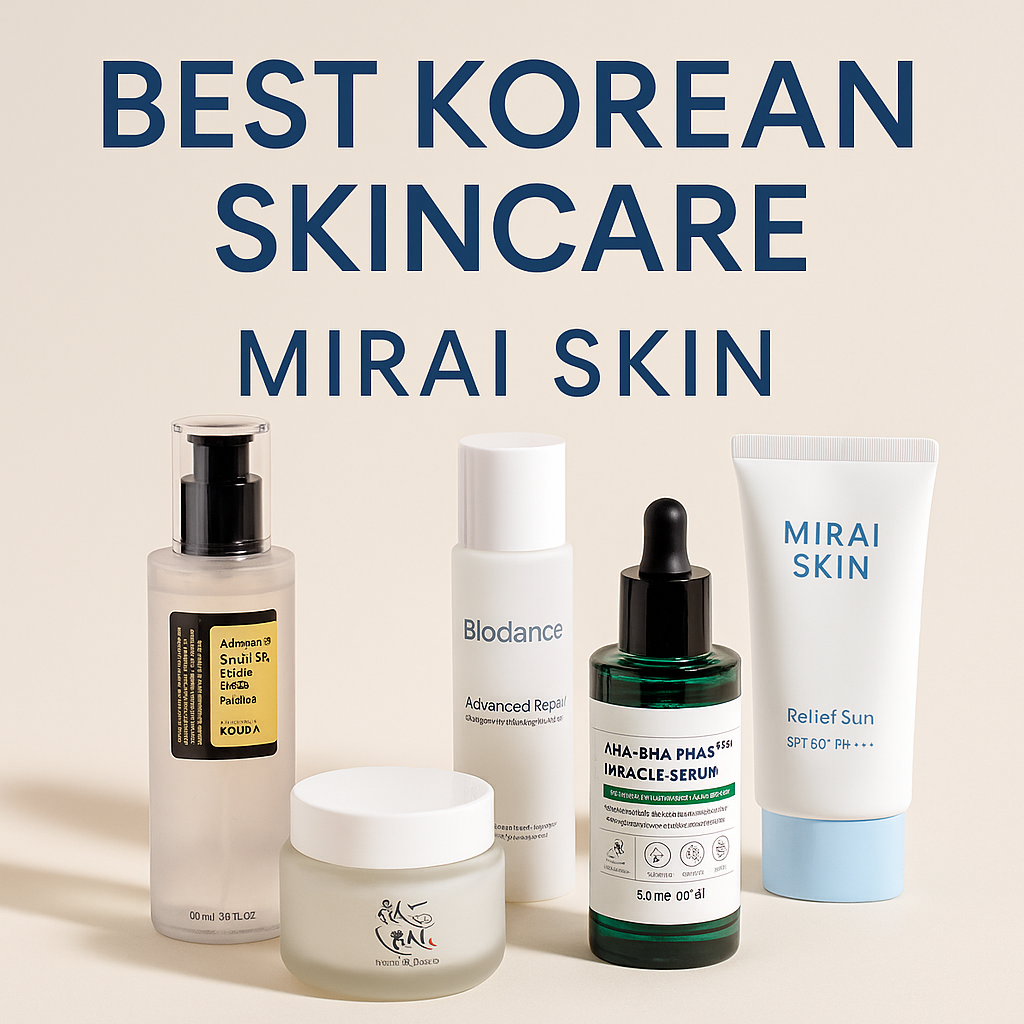
In Korea, skincare has never been just about what you put on your face. The Korean approach treats skin health as a reflection of overall wellness-what you eat, how you sleep, how you manage stress, and how you move all show up in your complexion. This philosophy is why Korean skincare gets results that no single product can deliver alone.
Western skincare tends to focus on topical solutions: find a problem, apply a product. Korean beauty culture takes a different view, treating the skin as a window into your internal health. Here is what that wellness-first approach looks like in practice, and how you can apply it to your own routine.
The Gut-Skin Connection
Korean cuisine is built around fermented foods-kimchi, doenjang (fermented soybean paste), gochujang, and makgeolli (rice wine)-and this is not coincidental. Fermented foods support gut microbiome diversity, which directly impacts skin clarity, inflammation levels, and how quickly your skin recovers from breakouts.
The connection works through what researchers call the gut-skin axis. When your gut microbiome is healthy and diverse, it produces short-chain fatty acids that reduce systemic inflammation. When it is out of balance (dysbiosis), inflammatory signals travel through the bloodstream and manifest as acne, eczema, rosacea, or dull skin.
A 2019 study published in Gut Microbes found that participants who consumed fermented foods daily for 10 weeks showed measurable improvements in skin hydration and a reduction in inflammatory markers compared to the control group. Korean dietary habits naturally provide this fermented food intake without supplementation.
Traditional Korean meals also emphasize variety and balance. A typical Korean meal includes multiple banchan (side dishes) with different vegetables, proteins, and fermented elements. This diversity feeds different beneficial gut bacteria, creating a more resilient microbiome. The emphasis on fresh vegetables, seaweed, and fish provides the zinc, omega-3 fatty acids, and vitamins A and C that skin cells need for healthy turnover.
Practically, this means that supporting your skincare routine with gut-friendly foods-yogurt, kefir, sauerkraut, miso, or kimchi-can amplify the results you see from topical products. The skin benefits of a healthy gut are not immediate (expect 6-8 weeks), but they are lasting and cumulative.
Snail Mucin: Where Nature Meets Science
One of the most distinctive ingredients in Korean skincare is snail mucin (snail secretion filtrate). While it sounds unusual to Western consumers, snail mucin has been used in Korean beauty for over a decade and is backed by solid clinical evidence.
Snail mucin contains a unique combination of glycoproteins, hyaluronic acid, glycolic acid, zinc, and allantoin. These components work together to hydrate, repair, and protect the skin. Clinical studies have shown that snail mucin promotes fibroblast activity (the cells responsible for collagen production) and accelerates wound healing by up to 40% compared to untreated skin.
What makes snail mucin particularly effective is that it delivers these benefits without irritation. Unlike retinol or chemical exfoliants, snail mucin is suitable for every skin type-including sensitive, acne-prone, and rosacea-affected skin. It can be used morning and night without risk of overuse.

Ginseng: Korea's Ancient Skin Superfood
Ginseng (Panax ginseng) has been central to Korean medicine for over 2,000 years, and modern research validates many of its traditional skin benefits. Ginsenosides-the active compounds in ginseng-have powerful antioxidant and anti-inflammatory properties that protect against premature aging.
Research from the Korean Journal of Dermatology has shown that ginsenosides stimulate collagen synthesis and inhibit the enzymes (MMPs) that break down collagen and elastin. In practical terms, this means ginseng helps maintain skin firmness and elasticity while protecting against environmental damage from UV radiation and pollution.
Korean beauty brands have incorporated ginseng into formulations that deliver these benefits topically. The Beauty of Joseon Revive Serum combines ginseng root water with snail mucin, creating a dual-action product that addresses both aging prevention and active skin repair. This type of ingredient pairing-ancient botanical + modern active-is characteristic of how Korean skincare evolves.

Sleep as Skincare
In Korean wellness culture, sleep is treated as a non-negotiable pillar of beauty. The concept of "beauty sleep" is taken seriously-not as a cliché, but as a biological reality that directly impacts skin quality.
During deep sleep (stages 3-4), your body releases human growth hormone (HGH), which triggers cell repair and regeneration. Blood flow to the skin increases by up to 25%, delivering oxygen and nutrients while carrying away waste products. Collagen production peaks during sleep, and the skin's permeability increases, meaning that nighttime skincare products are absorbed more effectively.
Chronic sleep deprivation disrupts all of these processes. A study in the journal Clinical and Experimental Dermatology found that poor sleepers had significantly higher levels of transepidermal water loss (TEWL), meaning their skin barriers were weaker and less able to retain moisture. They also showed more visible signs of aging, including fine lines, uneven pigmentation, and reduced elasticity.
Korean nighttime skincare routines are designed to work with this biology. Heavier, more occlusive products are used at night to support the skin's natural repair processes. Sleeping masks (a K-beauty staple) provide a protective layer that locks in active ingredients while you sleep, maximizing the absorption window.
For a detailed look at how sleep, stress, and skin health interconnect, see The Sleep-Stress-Skin Wellness Triangle on Rooted Glow.
Centella Asiatica: The Calming Botanical
Centella asiatica (known as cica, tiger grass, or gotu kola) is another ingredient that bridges Korean traditional medicine and modern skincare science. In traditional Korean herbalism, centella was used to heal wounds and reduce scarring. Today, it is one of the most widely used soothing ingredients in K-beauty formulations.
The active compounds in centella-madecassoside, asiaticoside, madecassic acid, and asiatic acid-each contribute different benefits. Madecassoside is primarily anti-inflammatory, while asiaticoside stimulates collagen synthesis. Together, they calm irritated skin while promoting healthy repair.
Centella is especially valuable for people dealing with acne, rosacea, or post-inflammatory hyperpigmentation, because it reduces redness and swelling without suppressing the skin's natural healing response. Unlike hydrocortisone or other anti-inflammatories that thin the skin over time, centella actively strengthens the skin barrier with continued use.

Heartleaf: Korea's Anti-Redness Secret
Heartleaf (Houttuynia cordata) is a plant that grows throughout Korea and has been used in traditional medicine for centuries as an antibacterial and anti-inflammatory remedy. In skincare, heartleaf extract has become a go-to ingredient for calming sensitive, reactive skin.
What makes heartleaf particularly effective is its high concentration of quercitrin and isoquercitrin-flavonoid compounds with strong antioxidant and anti-inflammatory properties. These compounds help regulate the overactive immune responses that cause redness, flushing, and irritation in sensitive skin types.
Korean toners featuring high concentrations of heartleaf extract (77%+) have become cult favorites because they provide immediate soothing relief while preparing the skin to better absorb subsequent treatment products.

Sun Protection: The Foundation of Korean Skincare
Perhaps no aspect of Korean skincare culture is more emphasized than daily sun protection. In Korea, sunscreen is not just a beach product-it is the final, non-negotiable step of every morning skincare routine, year-round, regardless of weather or season.
The reasoning is straightforward: UV radiation is responsible for up to 80% of visible skin aging (photoaging). No amount of serums, essences, or treatments can outpace the damage caused by unprotected sun exposure. Korean consumers understand this, which is why the Korean sunscreen market has developed some of the most cosmetically elegant, high-protection formulas in the world.
Korean sunscreens stand out because they prioritize wearability alongside protection. Many use newer UV filter technologies that provide broad-spectrum SPF 50+ PA++++ protection without the heavy, white-cast finish associated with Western sunscreens. This makes daily application genuinely pleasant rather than a chore-which is the key to consistent use.

Putting It All Together
The Korean approach to skin health is not about finding one miracle product-it is about creating a lifestyle where your diet, sleep, stress management, and skincare routine all work in the same direction. Each element reinforces the others.
A practical starting point:
- Add one fermented food to your daily diet (kimchi, yogurt, or miso soup)
- Prioritize 7-8 hours of quality sleep and apply your most active treatments at night
- Use soothing, barrier-supportive ingredients (centella, snail mucin, heartleaf) as the foundation of your routine
- Apply SPF 50+ sunscreen every morning without exception
- Manage stress through regular movement-even 20 minutes of walking has measurable anti-inflammatory effects
These are not dramatic changes. They are small, sustainable habits that compound over time. Korean skincare culture works because it treats beauty as a long game-and that patience is what delivers the results Western quick-fix approaches rarely achieve.