Dark spots rarely fail because you picked the wrong buzzword. They usually linger because the routine around them is mismatched to how pigmentation forms. If you're dealing with post-acne marks that sit for months, sun spots that seem to return, or uneven tone that looks worse every time your skin gets irritated, a niacinamide dark spot serum is worth understanding properly.
Niacinamide has earned its place in K-Beauty because it does more than chase brightness. It helps fade discoloration through a gentler pathway, and that matters if your skin also gets reactive, dehydrated, or inflamed easily. Used well, it's one of the most practical ingredients for someone who wants progress without turning their routine into a cycle of peeling and setback.
Why Niacinamide Is a Skincare Game Changer
Some people reach for the strongest brightening product they can find, then wonder why their marks look angrier two weeks later. That pattern is common. Skin with hyperpigmentation is often also skin with a disrupted barrier, and aggressive treatment can keep feeding the problem.

Niacinamide changed that conversation. Its rise reflects a broader move away from harsh bleaching approaches and toward barrier-supportive brightening, with its pigment benefit tied to inhibiting melanin transfer to the skin surface, which is one reason spots tend to fade more gradually but with lower irritation risk, as described on First Aid Beauty's niacinamide dark spot serum page.
Why that shift matters in real routines
A modern brightening ingredient has to do two jobs at once. It needs to address visible discoloration, and it needs to help the skin stay calm enough to keep using it consistently.
That's where niacinamide stands out in practice:
- It targets uneven tone without acting like a bleach. The goal is fading visible excess pigment over time, not stripping skin into submission.
- It supports barrier health. That matters when dark spots follow acne, friction, over-exfoliation, or sun exposure.
- It fits K-Beauty well. Korean skincare tends to favor elegant layering, daily use, and formulas that are easier to stay consistent with.
What works: A serum you can use regularly under sunscreen.
What doesn't: A “spot corrector” that leaves your skin too irritated to continue.
Why knowledgeable shoppers keep coming back to it
Niacinamide isn't exciting because it's trendy. It's useful because it solves several problems at the same time. If you're oily, acne-prone, sensitive, or dealing with leftover marks after breakouts, that versatility matters more than marketing language.
In clinic-style guidance, I'd put niacinamide in the category of ingredients that reward discipline. It's not the fastest-looking active on day one, but it's one of the easiest to build into a routine that can last.
How Niacinamide Actually Fades Dark Spots
The simplest way to understand niacinamide is to stop thinking of it as a whitening ingredient and start thinking of it as a traffic controller for pigment. Pigment still forms, but niacinamide helps interfere with the transfer process that brings that pigment up where you see it more clearly on the skin's surface.

That's why a niacinamide dark spot serum usually produces a fading effect, not a dramatic overnight lift. Niacinamide works through a multi-pathway approach and primarily inhibits the transfer of pigment-containing cells to the skin surface. Daily use also needs to be followed by sunscreen, because UV exposure can re-trigger pigmentation even while the serum is doing its job, as explained in Palmer's niacinamide concentration guide.
The mechanism that people miss
Most shoppers focus on the percentage and skip the mechanism. That leads to unrealistic expectations.
If an ingredient blocks pigment transfer, you should expect:
- Gradual visual change Existing discoloration softens over time rather than disappearing suddenly.
- Better results on newer, surface-level marks Fresh post-acne marks often respond more predictably than well-established discoloration.
- A strong dependence on UV protection If sunlight keeps pushing pigment activity, your serum has to fight uphill.
Here's a helpful visual explanation of the concept in action:
Why barrier support changes the outcome
Pigmentation rarely exists in isolation. Breakouts, friction, dryness, and overuse of acids all create inflammation. That inflammation can leave behind marks, especially if your skin is already prone to post-acne discoloration.
Niacinamide earns its reputation because it also supports the barrier. A stronger barrier holds moisture better and tends to react less dramatically to the rest of your routine. In real-world terms, that means fewer setbacks from stinging, redness, and irritation-driven darkening.
If your skin is inflamed every week, brightening ingredients have to keep cleaning up new damage instead of fading old marks.
What this means for your expectations
A niacinamide dark spot serum is usually a better long game ingredient than a shock-treatment ingredient. It works best when your routine is boring in the right way. Cleanser, serum, moisturizer, sunscreen. Repeat.
People often think “gentle” means “weak.” In pigmentation care, gentle often means usable, and usable products are the ones that get used up.
Finding Your Ideal Niacinamide Concentration
A higher percentage doesn't automatically mean a better serum. In practice, tolerability beats hype. If your skin can't handle the formula, the concentration on the label stops mattering.

The strongest evidence-backed range is more modest than many shoppers expect. A major review in PMC summarizes a double-blind, placebo-controlled study where 5% nicotinamide used twice daily for 12 weeks improved hyperpigmentation spots, and the same body of evidence notes that 2–5% used daily for 8 weeks can effectively lighten dark spots, as outlined in the PMC review on niacinamide and skin health.
How to think about the ranges
You don't need to choose concentration as if you're choosing “beginner” versus “expert.” Choose it based on your skin's behavior.
| Concentration range | Best fit | Trade-off |
|---|---|---|
| 2–5% | Sensitive skin, first-time users, general tone support, barrier-focused routines | Usually slower-feeling, but often easier to tolerate consistently |
| Around 5% | A practical middle ground for visible discoloration and everyday use | Still requires patience and sunscreen |
| 10% | More targeted use for pronounced hyperpigmentation if your skin tolerates it | Irritation risk can rise, especially in crowded routines |
The practical mistake is jumping straight to a strong formula while also using exfoliating acids, retinoids, and acne treatments. Then niacinamide gets blamed for a routine problem it didn't create.
What I'd match to different skin types
- Reactive or dry skin: Stay in the lower range first. Consistency matters more than intensity.
- Combination or oily skin: A mid-range or stronger serum can make sense if the base formula is still comfortable.
- Stubborn post-acne marks: A higher-strength product may help, but only if the rest of your routine is controlled.
Practical rule: If your serum stings every time you apply it, your routine is too aggressive, your barrier is compromised, or both.
What does not work well
Two things usually backfire.
First, chasing the biggest percentage while ignoring formulation. Second, expecting concentration alone to overcome daily sun exposure, repeated breakouts, or over-exfoliation. A niacinamide dark spot serum is only as good as the environment you give it to work in.
What Defines an Effective K-Beauty Niacinamide Serum
A client buys a 10% niacinamide serum for post-acne marks, uses it for two weeks, and then tells me it “isn't doing anything.” Usually the problem is not niacinamide itself. The problem is that the formula was built for marketing appeal, not for the slow biology of pigment correction.

An effective K-Beauty niacinamide serum supports the mechanism that matters. Niacinamide helps reduce the transfer of pigment from melanocytes to surrounding skin cells, so fading takes time because the skin still has to move that existing discoloration upward and out through normal turnover. That is why formula design matters more than a headline percentage. The serum has to be stable, comfortable, and easy to use long enough for that process to show.
Round Lab's Vita Niacinamide Dark Spot Serum is a useful example of that approach. It combines niacinamide with tranexamic acid, glutathione, and vitamin C derivatives, which gives the formula more than one route for addressing uneven tone, as shown on INCI Decoder's Round Lab product listing.
The formula has to do more than list niacinamide
A good pigment serum usually tackles several limits at once. It should support brightening, keep irritation low, and sit well under the rest of the routine.
Niacinamide works on pigment transfer. Tranexamic acid is often included for stubborn discoloration, especially when redness and post-breakout marks overlap. Vitamin C derivatives can add antioxidant support with less irritation than some pure ascorbic acid formulas. In practice, that kind of blend often performs better than a serum that puts all the pressure on one active.
Texture matters more than many shoppers expect.
If a serum pills, feels tacky, or leaves a warm flushed feeling after repeated use, people start applying less, skipping days, or dropping it entirely. Once consistency slips, results usually stall.
What to look for on a product page
Use this checklist to judge whether a niacinamide dark spot serum is built for real use:
-
A multi-ingredient pigment approach
Niacinamide is useful, but dark spots often respond better when the formula also includes ingredients such as tranexamic acid, vitamin C derivatives, licorice, or glutathione. -
A base formula that protects routine tolerance
Humectants, barrier-supporting ingredients, and a non-irritating solvent system help keep the serum usable over time. -
A texture that layers cleanly
K-Beauty formulas often do this well. The serum should spread easily and sit well under moisturizer and sunscreen without pilling. - A match for the type of discoloration you have Fresh post-acne marks often respond faster than deeper, older pigmentation. Melasma-like patterns usually require stricter sun protection and more patience, even with a well-made serum.
Real trade-offs in K-Beauty serums
K-Beauty is strong at elegant textures and daily usability. That is a real advantage because pigment care depends on repetition. The trade-off is that a cosmetically beautiful serum can still be too mild for more entrenched discoloration, while a stronger correction-focused formula may be less forgiving if your barrier is already stressed.
I usually judge these serums by one simple standard. Can the client use it consistently for months without creating new irritation, new inflammation, or more post-inflammatory marks? If the answer is no, it is not an effective dark spot serum for that person, regardless of the percentage on the label.
What I'd skip
I would be cautious with formulas built around one flashy number, especially if the rest of the ingredient list does little to support tolerance or pigment control.
I would also skip serums that promise fast spot removal without acknowledging what niacinamide does. Since it helps limit pigment transfer rather than instantly dissolving existing marks, results are usually gradual. A better formula respects that reality and is built for steady use, not short-term drama.
Building Your Anti-Pigmentation Skincare Routine
Application order is where many good products lose their results. A niacinamide dark spot serum works best when the routine around it is calm, repeatable, and easy to sustain.
Start with clean skin. Apply your serum before heavier creams. Then seal it in with moisturizer if you need it. In the morning, sunscreen finishes the routine. That last step isn't optional when you're treating discoloration.
Niacinamide layering cheat sheet
| Active | Compatibility | Application Tip |
|---|---|---|
| Vitamin C | Compatible | Use both in the same routine if your skin tolerates it, or split them between morning and night if you're sensitive |
| Retinol | Compatible | Pair niacinamide with retinol to help keep the barrier more comfortable |
| Exfoliating acids | Use thoughtfully | Alternate if your skin gets reactive, rather than stacking everything at once |
| Tranexamic acid | Compatible | A strong pairing for discoloration-focused routines |
| Snail mucin | Compatible | Use it for hydration and slip around a pigment routine that feels drying |
A simple morning routine
For many treating uneven tone, this sequence is enough:
- Gentle cleanser
- Niacinamide dark spot serum
- Moisturizer
- Sunscreen
If you use vitamin C and your skin is happy with it, apply it in a way that keeps the routine comfortable and pill-free. The rule is simple. Your skin's response matters more than internet myths.
A practical evening routine
At night, you have more flexibility.
- On plain recovery nights, use cleanser, niacinamide serum, moisturizer.
- On retinol nights, use niacinamide to buffer the routine if your skin tolerates layering well.
- On acid nights, keep the rest of the routine restrained. Don't pile on multiple “treatment” products just because they're all individually good.
Most failed pigment routines aren't too weak. They're too crowded.
Common routine mistakes
A few habits repeatedly slow results:
-
Using too many exfoliants
Dark spots get worse when irritation keeps restarting the cycle. -
Skipping sunscreen because the weather looks mild
Pigmentation doesn't care whether the day feels sunny. -
Changing products too often
If you switch every week, you won't know what's helping, what's irritating, or what just needs more time. -
Applying too little serum
A niacinamide serum should be spread evenly, not dotted only on the darkest marks unless the product is specifically designed as a spot treatment.
The best anti-pigmentation routine usually looks unimpressive on the shelf and very disciplined in use.
Your Niacinamide Questions Answered
How long does a niacinamide dark spot serum take to work
This depends on the type of pigmentation and the rest of your routine. A fair expectation is gradual change, not a dramatic early shift. For stubborn discoloration, patience matters as much as product choice.
For tougher cases, the nuance matters even more. Niacinamide helps reduce general hyperpigmentation by inhibiting melanosome transfer, and a 5% topical niacinamide study showed improved skin lightness over 8 weeks, but deep or chronic spots often respond more slowly and may need combination therapy plus consistent sunscreen, as discussed on DermApproved's niacinamide and tranexamic acid serum page.
Can niacinamide make dark spots worse
Not in the way people usually mean. Niacinamide itself is used to improve uneven tone. What can make spots look worse is irritation from the total routine, sun exposure, or inflammation from acne that isn't under control.
If your skin starts looking darker, redder, or more uneven after starting a serum, I'd first question the formula strength, your layering habits, and your sunscreen consistency.
Is niacinamide enough for melasma
Sometimes no. That's the honest answer.
Melasma and long-standing pigmentation are often more stubborn than ordinary post-acne marks. Niacinamide can still be useful, especially as part of a broader routine, but it usually shouldn't be framed as a guaranteed solo fix. In such instances, combination formulas and strict UV management become more important.
Is it good for sensitive or acne-prone skin
Often yes, which is one reason it's so widely used. The catch is that “niacinamide” isn't the same thing as “every niacinamide serum.” A poorly balanced formula can still sting, pill, or overload your skin.
Choose based on your skin's tolerance, not only your ambition. Sensitive skin usually does better with a moderate formula used steadily than with a high-strength serum used inconsistently.
Why isn't my serum doing much
Usually one of these is happening:
- Your dark spots are deeper or older than you think
- Your sunscreen use is inconsistent
- Your acne or irritation is still creating new marks
- Your formula is too simple for stubborn pigmentation
- You haven't used it long enough
That last point matters. Niacinamide works through control and consistency. If you want a dramatic correction curve, this ingredient may need support from other actives and a tighter routine overall.
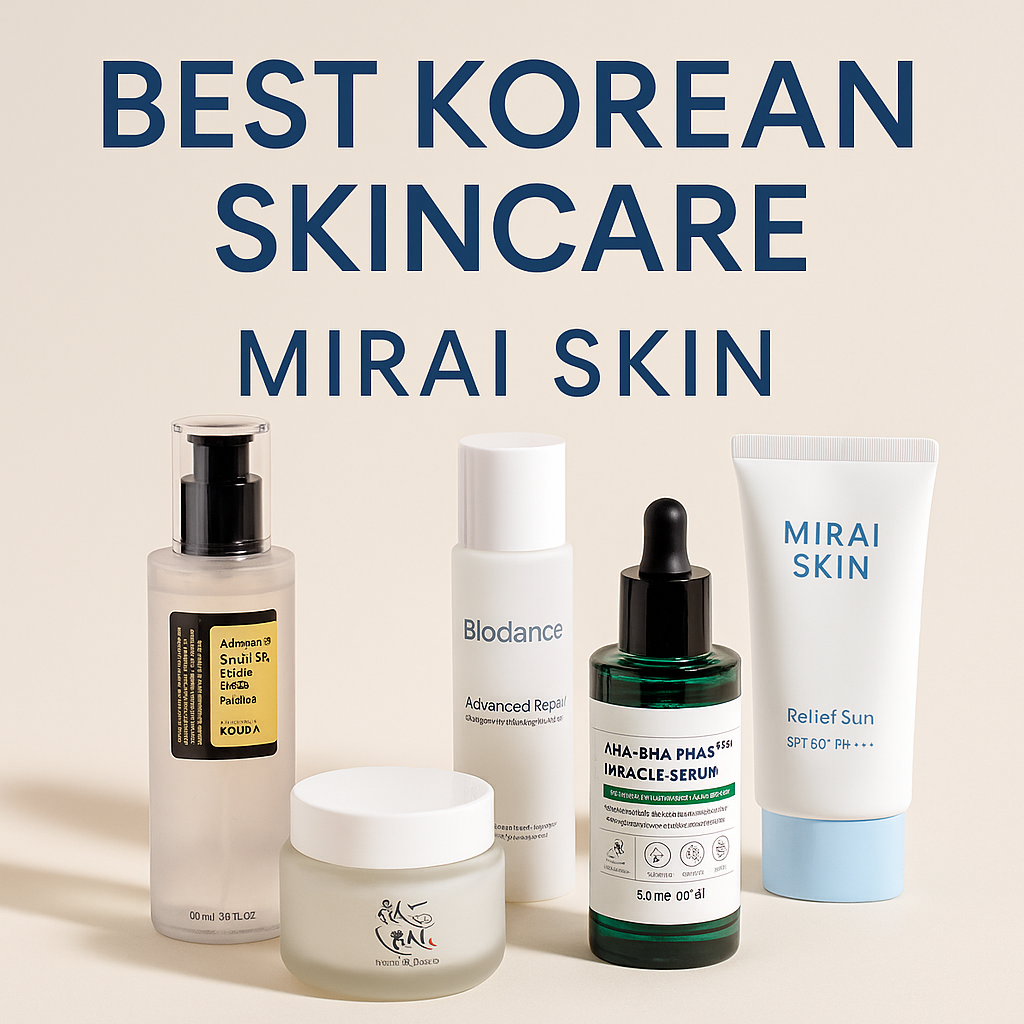
If you're choosing a niacinamide dark spot serum and want authentic Korean skincare options from verified distributors, Mirai skin is a practical place to compare formulas by brand, texture, and ingredient pairing so you can build a routine that fits your skin instead of chasing the highest percentage on the label.
Still deciding between brightening actives? Glow Coded’s niacinamide vs vitamin C comparison settles which one fits your skin goals.