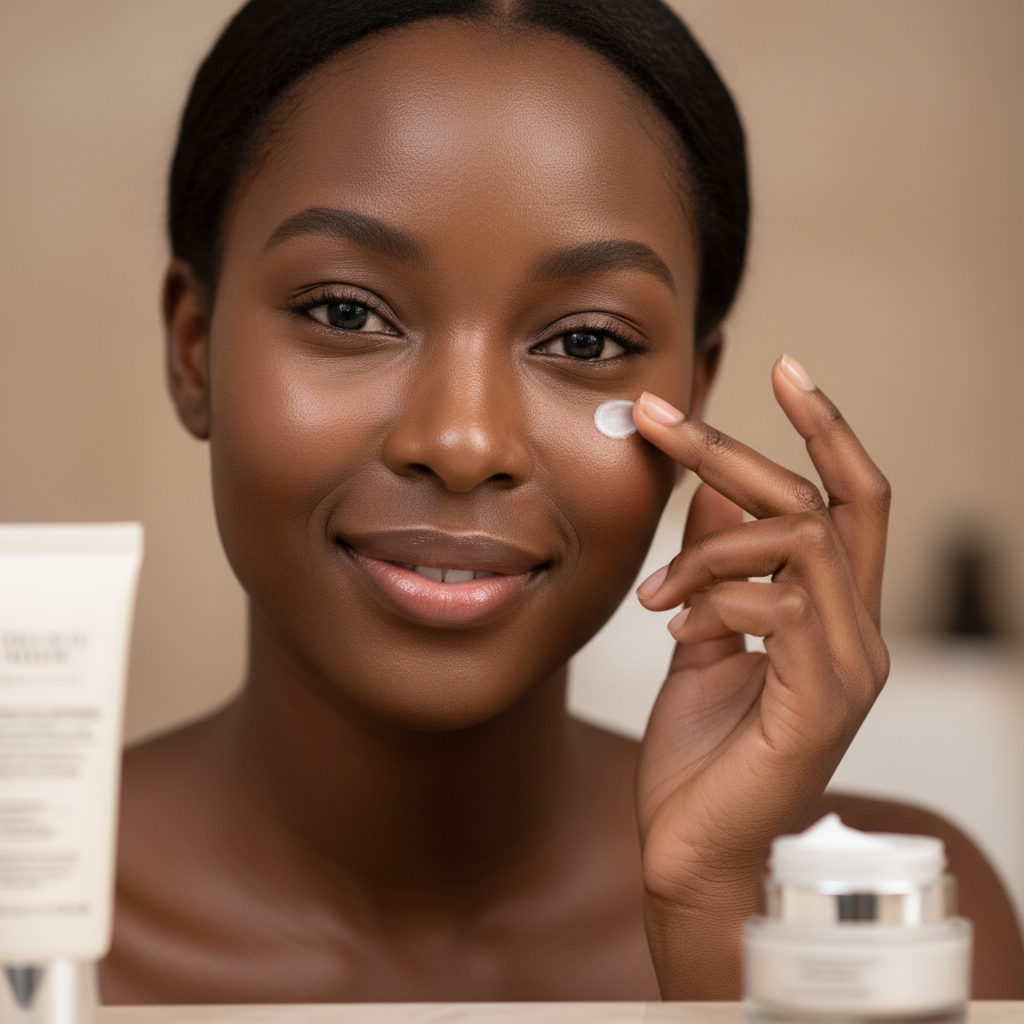
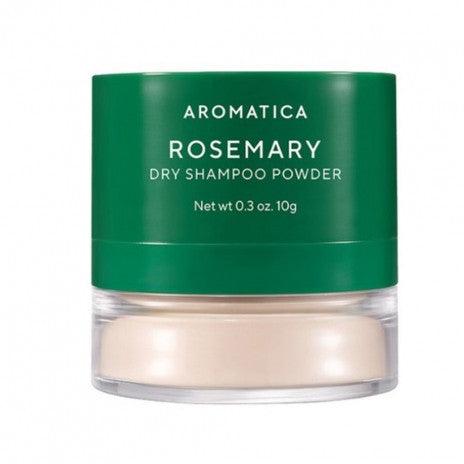
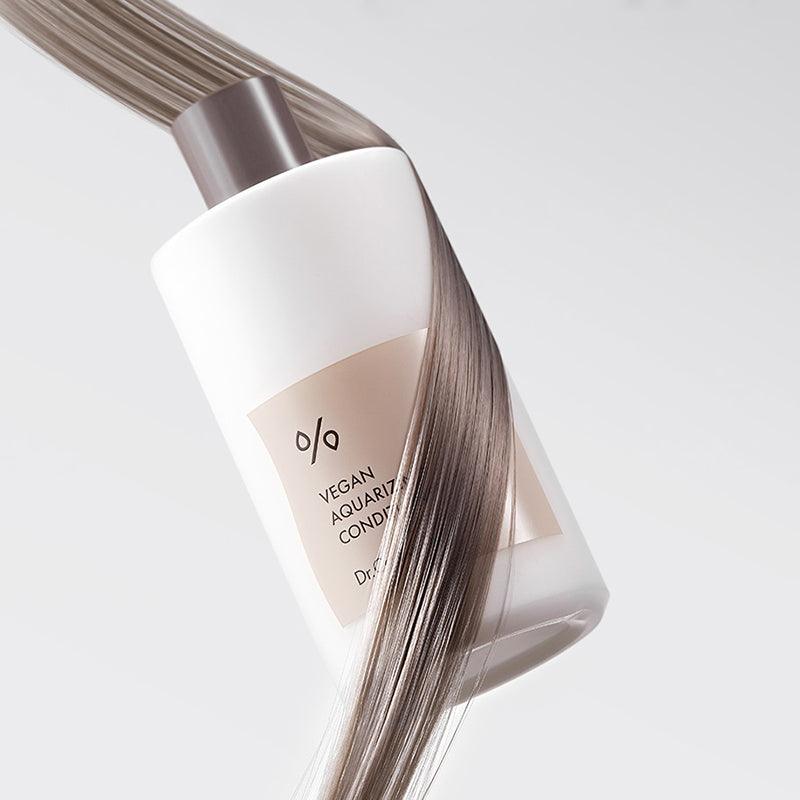
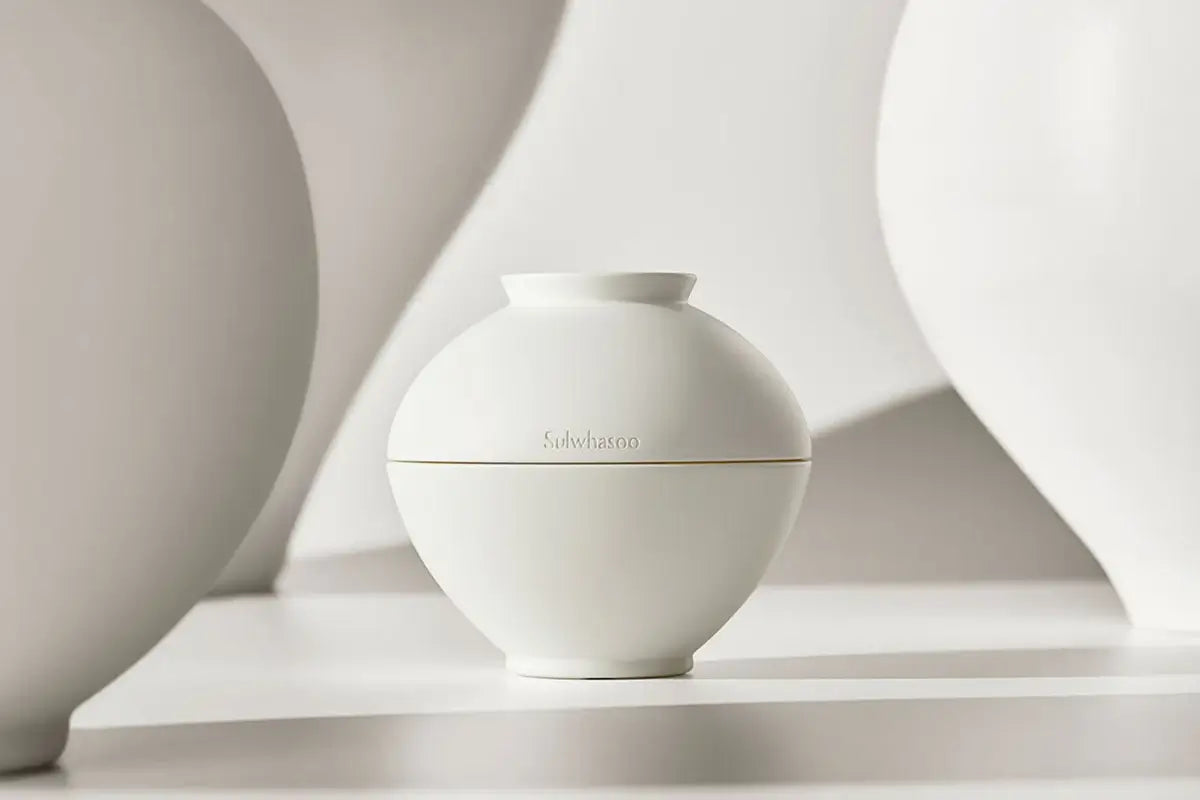
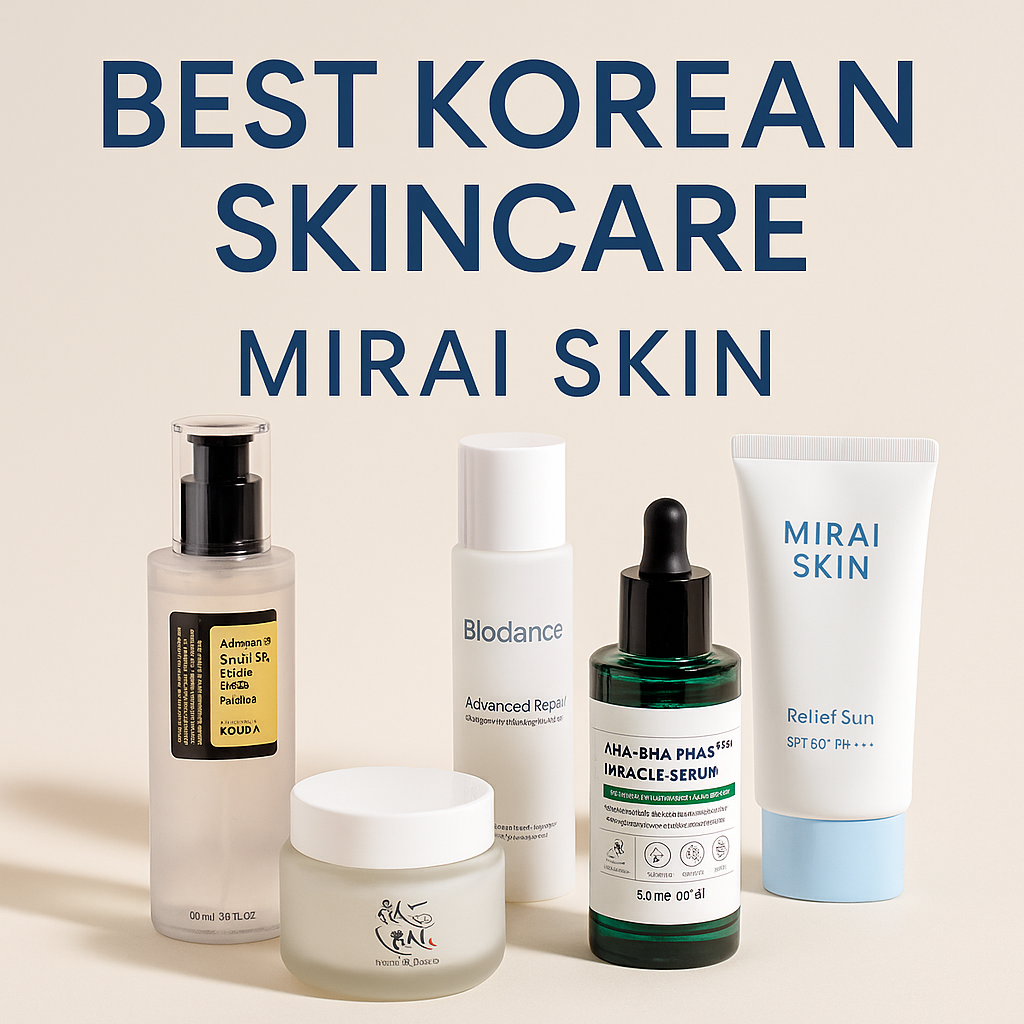
You open one tab for sunscreen, another for snail mucin, then another for a toner someone on TikTok swears gives “glass skin.” An hour later, you're looking at ten different essences, five versions of cica cream, and a cleanser that sounds amazing but might be too harsh for your skin. That's where many people land with popular korean beauty products. Interested, hopeful, and a little lost.
The confusion makes sense. K-beauty doesn't just offer a few trending items. It offers a whole way of caring for skin, with textures, layers, and ingredient stories that can feel unfamiliar if you didn't grow up with them. The good news is that once you understand the philosophy, the products stop feeling random.
That wider interest isn't a niche trend anymore. The global K-beauty products market was estimated at USD 118.28 billion in 2025 and is projected to reach USD 252.41 billion by 2033, with a 10.0% CAGR from 2026 to 2033, according to Grand View Research's K-beauty market report. There's a reason shoppers across the world keep searching for hydrating toners, lightweight sunscreens, and barrier-repair essences.
If you want a clearer way to shop, this guide will help you sort hype from substance. We'll look at why Korean skincare works, what each product category does, which ingredients deserve your attention, and how to build a routine that fits your own skin instead of somebody else's shelf.
Your Guide to the World of Korean Beauty
A client once brought me a pouch full of products she'd bought because they were “popular.” She had an exfoliating toner, a retinol serum, a vitamin C ampoule, two rich creams, and a cleansing oil she loved. Her skin wasn't improving because the products were bad. Her routine lacked logic behind it.
That's the turning point for many individuals. Popular korean beauty products can be excellent, but they work best when you know why they're in your routine. K-beauty isn't just about owning more steps. It's about choosing the right texture, the right ingredient, and the right sequence for your skin barrier.
Why these products are everywhere
Korean skincare became globally influential because it made skin health feel both practical and enjoyable. Instead of focusing only on correction, many formulas aim to keep skin hydrated, comfortable, and resilient every day. That's why categories like essences, sleeping masks, and soothing ampoules became so recognizable.
A lot of shoppers also notice that K-beauty often introduces textures and formats that feel easier to use consistently:
- Watery layers: Toners and essences can add hydration without the heaviness some people dislike in cream-only routines.
- Targeted care: Serums and ampoules let you focus on one concern, such as dehydration, post-breakout marks, or visible redness.
- Daily comfort: Sunscreens, gel creams, and cleansing oils are often chosen for how wearable they feel, not only for what they promise.
Popular doesn't always mean universal. A beloved product can still be wrong for your skin type, climate, or tolerance level.
What usually confuses shoppers first
The most common stumbling block is product vocabulary. If you didn't start with K-beauty, terms like essence, ampoule, and sleeping pack can sound interchangeable. They aren't.
Another confusion point is routine length. People see a multi-step Korean skincare routine and assume every product is mandatory. It isn't. The real lesson is layering with purpose. Some skin needs four steps. Some needs seven. Very sensitive skin may need fewer.
That's the lens I want you to use as you read the rest of this guide. Don't ask, “What's the most hyped product?” Ask, “What does my skin need, and which Korean product format helps me deliver it gently?”
The Philosophy Behind Korean Skincare Excellence
K-beauty works best when you stop treating it like a shopping list and start treating it like a skin care method. At its core, that method is simple. Protect the barrier, keep skin hydrated, use gentle consistency, and correct problems before they become harder to manage.
South Korea's beauty culture reflects how seriously skin health is taken. According to BeautyMatter's look at South Korea's beauty market, South Korea is the world's fifth-largest beauty market and has per capita beauty spending of USD 493 annually per consumer. That kind of investment doesn't happen by accident. It comes from a long-standing focus on skincare as regular maintenance, not occasional rescue.

Skin first, makeup second
Many people discover Korean beauty through the look people call “glass skin.” What they miss is that the finish comes from prep more than coverage. Healthy-looking skin usually starts with hydration, gentle exfoliation, and barrier support.
That's why so many Korean routines prioritize steps that seem subtle. A hydrating toner may not feel dramatic on day one. An essence may seem less exciting than a strong peel. But over time, those steps can help skin stay calmer and more balanced.
Prevention matters more than correction
This is one of the biggest mindset shifts. Instead of waiting for visible irritation, dullness, or dehydration to get bad, K-beauty often encourages small daily habits that lower the chance of those issues spiraling.
That philosophy shows up in routines like this:
- Cleanse without stripping so skin starts from a balanced place.
- Layer hydration early with watery products that support comfort.
- Treat specific concerns carefully using a serum or ampoule.
- Seal everything in with a moisturizer suited to your skin type.
- Protect in the morning with sunscreen.
Practical rule: If your skin stings, tightens, flakes, or gets shiny and dehydrated at the same time, your barrier may need simpler layers before stronger actives.
Why layering works
A lot of people hear “layering” and imagine excess. In practice, good layering means using thinner textures first, then moving toward richer ones. Each layer has a job. One adds water. Another helps hold that water in. Another targets a concern.
Here's a simple comparison:
| Product feel | Typical role |
|---|---|
| Watery | Quick hydration, prep, soothing |
| Light gel or fluid | Treatment, humectant support |
| Cream or balm | Moisture retention, barrier support |
What makes Korean skincare stand out isn't just novelty. It's the discipline of choosing gentle products that can work together without overwhelming skin.
Decoding Popular K-Beauty Product Categories
Once you understand the categories, shopping gets easier fast. Most popular korean beauty products fall into a few clear groups. The names can differ by brand, but the functions are usually familiar.

Cleansers and the double cleanse
If you wear sunscreen, makeup, or live in a polluted city, a cleansing oil or cleansing balm can help dissolve what clings to the skin. You use it on dry skin first, then rinse or emulsify. After that, a water-based cleanser removes leftover residue, sweat, and surface debris.
This doesn't mean everyone must double cleanse twice a day. In my treatment room, I usually suggest it at night when there's something substantial to remove. In the morning, many people do well with a gentler wash or even a light rinse, depending on skin type.
Toners, essences, and ampoules
Many people find this stage difficult, so keep it simple.
A toner in K-beauty is often hydrating rather than harsh. It can soften the skin and add the first light layer of moisture after cleansing.
An essence usually sits between toner and serum. It tends to be thin, easy to layer, and focused on hydration, glow, or barrier support.
An ampoule is often a more concentrated treatment step. Some brands use “serum” and “ampoule” loosely, but ampoules are commonly marketed as more targeted.
Here's an easy shorthand:
- Toner: First drink of water for the skin
- Essence: Hydration plus skin-conditioning support
- Serum or ampoule: Targeted action for a specific concern
A quick visual can help make the routine order easier to remember.
Moisturizers, masks, and sunscreen
K-beauty moisturizers span from gel creams to dense barrier creams. If your skin is oily or humid-weather prone, a gel texture may feel more comfortable. If your skin is dry, reactive, or over-exfoliated, cream textures usually make more sense.
Masks also show up often in Korean routines, but they aren't all the same:
- Sheet masks are great for temporary hydration and soothing.
- Sleeping masks act more like a leave-on overnight seal.
- Wash-off masks can focus on calming, clay-based oil control, or gentle exfoliation.
Then there's sunscreen. It's one of the most important categories in K-beauty and one of the reasons many people stay loyal to Korean formulas. Daily SPF use supports every other step in your routine. If you're brightening, treating post-acne marks, or trying to maintain a smooth tone, sunscreen isn't optional.
A simple category map
| Category | What it does | Best time to use |
|---|---|---|
| Oil cleanser | Loosens sunscreen and makeup | Evening |
| Water cleanser | Cleans skin residue | Morning or evening |
| Toner | Adds first hydration layer | After cleansing |
| Essence | Supports hydration and bounce | After toner |
| Serum or ampoule | Targets a concern | Before moisturizer |
| Moisturizer | Locks in hydration | Last step before SPF at night or morning |
| Sunscreen | Protects from UV exposure | Final morning step |
When you know what each category is for, you stop buying duplicates that all do the same thing.
The Hero Ingredients That Define K-Beauty
K-beauty has plenty of eye-catching packaging, but the reason certain products stay popular is ingredient performance. When clients ask me which ingredients define Korean skincare, I usually point to a handful that show up again and again because they fit the K-beauty philosophy so well: hydration, calming care, barrier support, and steady results.

Snail mucin and why it stays relevant
Snail mucin is one of the most recognizable K-beauty ingredients, and not just because it sounds unusual. It's used because it can support hydration and skin recovery in a way many people find cosmetically elegant.
A widely recognized example is COSRX Advanced Snail 96 Mucin Power Essence. According to Umma's overview of essential Korean beauty products, it contains 96% snail secretion filtrate, which includes glycoproteins and hyaluronic acid. The same source notes that in vitro studies demonstrate its copper peptides and allantoin promote fibroblast proliferation by 20% to 30% via upregulation of collagen type I synthesis, leading to improved epidermal barrier repair.
That matters most for skin that feels stressed, dehydrated, or rough after breakouts or overuse of actives.
If your skin is irritated, don't judge an essence by how dramatic it feels. Judge it by whether your skin looks calmer and holds hydration better over time.
Other K-beauty staples worth knowing
Some ingredients become favorites because they solve very practical problems.
- Centella asiatica: Often called cica. People reach for it when skin feels hot, reactive, or easily irritated.
- Niacinamide: Useful in routines focused on tone, visible pores, oil balance, or post-breakout marks.
- Hyaluronic acid: A classic humectant for dehydration. It works best when paired with a moisturizer that helps seal hydration in.
- Propolis: Common in glow-focused formulas. Many people like it in serums when skin looks tired or feels depleted.
- Fermented ingredients: Frequently used in essences to support softness, radiance, and a smoother skin feel.
How to think about ingredient combinations
You don't need every famous ingredient in one routine. In fact, skin usually does better when you choose one or two main treatment directions.
Here's a useful way to pair goals with ingredients:
| Skin concern | Ingredient direction |
|---|---|
| Dehydration and tightness | Hyaluronic acid, snail mucin |
| Redness and sensitivity | Centella asiatica, barrier-supportive creams |
| Uneven tone | Niacinamide, gentle brightening serums |
| Dullness | Fermented essences, propolis-based formulas |
Texture matters as much as the label
A serum can contain a great ingredient and still be wrong for you if the formula doesn't suit your skin. Oily skin may prefer a watery niacinamide serum. Dry skin may respond better to the same ingredient in a milky essence or cream.
That's why experienced shoppers don't just chase ingredient names. They also pay attention to the vehicle, the finish, and how the product layers with everything else they use.
How to Build Your Personalized K-Beauty Routine
A good routine doesn't start with trends. It starts with your skin's behavior. Does it feel tight after washing? Get shiny by midday? Flush easily? Break out around the jawline? Those clues matter more than what's viral.
I tell clients to build from the base up. Start with cleanser, moisturizer, and sunscreen. Then add one treatment layer that matches the main concern. That approach keeps the routine readable, which is especially important if your skin is reactive.
Match routine structure to skin type
If your skin is dry, look for a low-foam or creamier cleanser, then add a hydrating toner or essence before moisturizer. A richer cream at night often helps reduce that papery, tight feeling by morning.
If your skin is oily or acne-prone, don't assume you should skip hydration. Often the better move is a light cleanser, a fluid toner, one balancing serum, and a gel-cream moisturizer. Stripping skin can backfire.
For combination skin, many routines work best when the middle layers stay light and the final moisturizer changes with season or climate.
Sensitive skin needs more proof, not more hype
Shoppers often get frustrated at this stage. Many products are called “gentle,” but the information around real tolerance can be thin. According to a 2025 K-beauty market analysis cited in this discussion of sensitive-skin safety gaps, 68% of US and EU consumers search for “K-beauty sensitive skin safe” but only 15% of content provides patch-test results or hypoallergenic certifications.
That gap matters. If you have easily irritated skin, look for retailers and product pages that make formulation details easier to evaluate rather than relying only on marketing language.
Skin check: If you're introducing a new active, keep the rest of the routine boring for two weeks. That makes reactions easier to spot.
A concern-based routine builder
Use this as a simple reference:
-
Dry and dehydrated skin
- Best focus: Hydrating cleanser, essence, cream
- Helpful ingredients: Snail mucin, hyaluronic acid, soothing humectants
-
Oily and congestion-prone skin
- Best focus: Gentle cleanser, balancing toner, lightweight serum
- Helpful ingredients: Niacinamide, light exfoliating support if tolerated
-
Sensitive or redness-prone skin
- Best focus: Fewer steps, fragrance-aware choices, barrier-supportive cream
- Helpful ingredients: Centella asiatica, calming essences
-
Dull or uneven-looking skin
- Best focus: Consistent hydration, brightening serum, daily sunscreen
- Helpful ingredients: Niacinamide, fermented ingredients, propolis
Keep the routine adjustable
Your ideal K-beauty routine in winter may not be your ideal routine in summer. Hormones, travel, indoor heating, and over-exfoliation all change what your skin can handle. The best routines stay flexible. They don't try to prove discipline by forcing the same seven products every day.
Shop Smart Your Guide to Authentic K-Beauty from Mirai Skin
You find a toner that looks identical to the one everyone recommends. The bottle shape matches. The box color is close. The price is much lower. A week later, the texture feels off, the seal seems flimsy, or your skin reacts in a way the original product never did.
That is the actual cost of shopping K-beauty by appearance alone.
Popular korean beauty products are copied often because demand is high and packaging can be easy to imitate in photos. What usually gives a fake away is not the front label. It is the small details. Batch codes that do not line up, ingredient lists that are missing or incomplete, low-quality printing, unusual scent, or a formula that feels thinner, stickier, or harsher than expected.

What careful shoppers check first
A good retailer makes verification easier. You should not have to play detective every time you buy cleanser or sunscreen.
Look for signs like these:
- Clear sourcing information: The seller explains that products come from verified Korean distributors or authorized supply channels.
- Complete product pages: Ingredient lists, directions, texture notes, and skin-type guidance are available before checkout.
- Consistent packaging photos: Images show readable labels, intact seals, and branding that matches the official product presentation.
- Visible customer support policies: Returns, damaged-item help, and contact information are easy to find.
Price matters, but context matters more. A small promotion is normal. A steep discount on a product that rarely goes on sale deserves a closer look.
Value means fit, not just cost
Smart shopping is not only about avoiding counterfeits. It is also about choosing products that do the right job for your skin without paying for features you do not need.
That is where many shoppers get stuck. They compare price tags, but they skip the formula logic. A watery essence and a rich barrier cream can both be excellent, yet they solve different problems. The better question is simple. What role will this product play in my routine?
A useful comparison looks at function first:
| Question | Why it matters |
|---|---|
| What step does this product replace or support? | Prevents overlap and wasted purchases |
| Which ingredients are doing the main work? | Helps you judge whether the formula matches your skin concern |
| Will I actually enjoy using this texture every day? | Consistency matters more than shelf appeal |
| Does the seller explain where the product comes from? | Reduces the risk of buying a counterfeit or mishandled item |
Why Mirai Skin is a practical place to compare options
Mirai Skin is useful for shoppers who want authentic K-beauty from a retailer focused on verified Korean sourcing. That matters because trust is part of product performance. Even a well-formulated serum cannot help much if you receive an expired, counterfeit, or poorly stored version.
It also helps to shop where routine building feels clear instead of chaotic. If you are comparing two moisturizers, for example, you should be able to tell which one is better for a compromised barrier, which one suits oily skin, and which one layers well under sunscreen. That kind of context turns shopping into decision-making, not guesswork.
A good rule to keep in mind is the same one estheticians use in treatment rooms. Buy for skin need, formula quality, and routine compatibility. Hype can come last.
Begin Your K-Beauty Journey Today
You cleanse at night, apply a serum a friend recommended, wake up, and wonder why your skin still feels off. That is usually not a sign that Korean skincare failed. It usually means your routine is missing fit, not effort.
The takeaway is simple. Popular Korean beauty products make more sense when you treat them like tools in a well-organized kit. The goal is not to copy a 10-step routine. The goal is to choose a few well-matched formulas that support how your skin behaves right now.
Good K-beauty habits are built the same way healthy skin is built. Gradually. If your barrier feels tight, start with gentle hydration and barrier support. If breakouts are the issue, add one treatment product and give it time to work. If your skin is easily irritated, fewer steps often give better results than a crowded shelf.
That is also the most useful way to shop with Mirai Skin. Use the product information to check what a formula is meant to do, who it suits, and how it fits into the rest of your routine. A thoughtful routine should feel clear, repeatable, and realistic enough that you will keep using it.
Start with your skin, not the hype. The glow people associate with K-beauty usually comes from consistency, barrier care, and smart ingredient choices over time.