You know the feeling. Your sunscreen has set like paint, your base hasn’t moved all day, and a quick foaming cleanse leaves your skin technically washed but not convincingly clean. The residue lingers around the nose, along the hairline, and especially where makeup and SPF grip the hardest.
That’s where rice cleansing oil earns its place. In a real K-beauty routine, it isn’t an optional extra or a trendy swap for wipes. It’s a foundational first cleanse that removes what water-based cleansers can’t handle well on their own, while keeping the skin barrier intact enough for the rest of your routine to work properly.
What makes it worth understanding is that it sits at the intersection of old ritual and modern formulation. Rice has deep roots in Asian beauty culture, but the current generation of rice oil cleansers goes beyond heritage. The best formulas pair rice-derived ingredients with refined emulsifiers, lightweight oils, and rinse-off systems that leave skin clean, soft, and ready for the second cleanse.
The Secret to a True K-Beauty Cleanse
A proper evening cleanse has one job before anything else. It needs to remove the day without turning your face into a tight, irritated, over-washed canvas.
Rice cleansing oil does that in a way that aligns with how K-beauty routines are built. It targets makeup, sunscreen, excess sebum, and urban buildup first, then lets your second cleanser handle sweat and any remaining water-soluble debris. That sequence matters. When the first step is weak, people often compensate with harsher foams, more friction, or repeated washing.
Why rice has such a long place in beauty
Rice didn’t enter skincare because it sounds gentle on a label. It has a long beauty history across Asia, and that historical continuity is part of why it still feels so foundational today. Historical evidence from Japan’s Heian period, 794 to 1185 AD, documents women using yu-su-ru, the leftover rice washing water, as a facial rinse for cleansing and softening skin, as noted in this rice bran oil historical overview.
That detail matters because it shows the category’s logic wasn’t invented by modern marketing. The appeal of rice in cleansing has always been tied to a softer, more skin-respecting approach.
Rice cleansing oil works best when you treat it as a skin preparation step, not just a makeup remover.
What makes it foundational, not just pleasant
A good rice cleansing oil does three things at once:
- Removes stubborn films that cling to skin, especially sunscreen and long-wear base
- Reduces cleansing stress because you don’t need aggressive rubbing to get that film off
- Leaves skin comfortable enough that the second cleanse feels like refinement, not repair
That last point is where experienced skincare users usually notice the difference. When the first cleanse is right, the rest of the routine becomes more predictable. Serums layer better. Active ingredients sting less. Skin doesn’t swing as dramatically between congestion and dehydration.
How Rice Cleansing Oil Melts Away Impurities
The appeal of rice cleansing oil isn’t mysterious. The mechanism is simple, and once you understand it, the category makes immediate sense.

The chemistry that makes it work
Oil cleansers rely on like dissolves like. Sebum, sunscreen, foundation, and many makeup pigments don’t respond nearly as well to water alone. They break down more easily when an oil-based cleanser binds to them first. That’s the principle described in this explanation of oil cleansing and microemulsion rinsing, which notes that oils emulsify and remove sebum, dirt, and makeup, then transform into a milky microemulsion for residue-free cleansing.
A simple way to think about it is this: a foaming cleanser often has to fight surface debris. A cleansing oil dissolves the film first, so the rinse is easier and gentler.
That’s why mascara starts loosening. It’s why water-resistant sunscreen beads and slips. And it’s why a well-formulated oil cleanser often feels more efficient than a stronger gel cleanser, even though it feels milder on the skin.
What emulsification changes
The best rice cleansing oils don’t stay oily once water hits them. They emulsify. That means the cleanser shifts from an oil texture into a milky fluid that can lift away from the skin cleanly instead of sitting on it.
Practical rule: If a cleansing oil leaves a heavy film after proper emulsification, the issue is usually the formula, the technique, or both.
Many people misjudge oil cleansing. They apply it, rinse too quickly, and assume all oil cleansers are greasy. In practice, the rinse-off stage determines the result.
Here’s what that should look like:
- Start on dry skin so the oil can bind directly to sunscreen, makeup, and sebum.
- Massage long enough for the product to break down the film on the skin.
- Add a small amount of water and keep massaging until the texture turns milky.
- Rinse thoroughly so the loosened debris and cleanser wash away together.
Why this is easier on the barrier
Harsh cleansers often get praised for making skin feel squeaky. That feeling is often over-cleansing.
Rice cleansing oil takes a different route. Instead of stripping aggressively, it dissolves and lifts. In K-beauty, that approach matters because barrier health isn’t treated as a side concern. It’s the condition that determines whether the rest of your routine helps or irritates.
Decoding the Powerhouse Ingredients
Ingredient lists explain why one rice cleansing oil leaves skin comfortable and clear, while another feels slick, heavy, or oddly dry after rinsing. For this category, the difference usually comes down to three things: the rice ingredient itself, the supporting oil blend, and the emulsifier system that determines how cleanly everything lifts off.

Rice bran oil and why formulators use it
Rice bran oil, listed as Oryza Sativa Bran Oil, is the rice-derived ingredient that matters most in many formulas. It has a balanced fatty acid profile and naturally contains compounds that help explain its long history in skin care. The INCI entry for Oryza Sativa Bran Oil at Cosmetics Info notes its use as a skin-conditioning agent and emollient, which fits exactly how it behaves in a cleanser.
In practice, rice bran oil gives a formula slip without the dense, cushiony drag that some richer plant oils create. That matters for barrier-conscious cleansing. The oil needs enough affinity for sunscreen, sebum, and makeup to break them down, but it also needs to rinse without leaving a stubborn layer behind.
This is also where the heritage piece holds up under modern scrutiny. Rice bran has been used for generations in East Asian beauty traditions because it leaves skin feeling softer and less depleted after washing. Modern formulators keep that benefit, then pair it with better surfactant and emulsifier systems so the experience suits current expectations for rinse-off performance.
Rice water and fermented rice extracts
Rice water, rice extract, and fermented rice filtrates usually play a supporting role in a cleansing oil. They are not the main cleansing engine. They shape the finish, the skin feel, and the overall identity of the product.
A useful way to read these ingredients is to ask what job they are doing in a rinse-off formula. If they appear alongside a thoughtful oil base, they can help the cleanser feel less stripping and more aligned with the barrier-first philosophy that runs through Korean skin care. If they appear in tiny amounts under a heavy fragrance system, they function more as marketing decoration than meaningful support.
Fermented rice ingredients add another layer. Fermentation can change the extract profile and is often used in K-Beauty to improve skin feel and compatibility, though the effect in a cleanser will never match what a leave-on essence can do. For experienced users, that is the right expectation.
The emulsifier decides whether the formula feels refined
A rice cleansing oil is only as good as its rinse. The emulsifier is what allows oil, water, and dissolved debris to form a temporary milky mixture that can be washed away instead of smeared around the face.
Many elegant formulas use ingredients such as PEG-20 Glyceryl Triisostearate, Polyglyceryl-10 Dioleate, or similar oil-compatible emulsifiers. These are not filler ingredients. They are the difference between a cleanser that works well for oily, acne-prone skin and one that leaves the kind of residue that makes that skin type avoid cleansing oils in the first place.
I usually tell shoppers to stop treating the botanical oil as the whole story. A beautiful rice bran base with a weak rinse system often disappoints. A lighter rice formula with a well-built emulsifier system is often the better pick, especially for people who want the benefits of oil cleansing without the after-feel of oil left on the skin.
What to scan for on the label
Read the formula by function, not by front-label claims.
- Rice bran oil high on the list suggests the formula is built around the ingredient.
- Well-chosen emulsifiers usually predict a cleaner rinse and less residue.
- Lighter supporting oils, such as sunflower or grapeseed, often make the texture easier for combination or oily skin to tolerate.
- Heavier blends can suit drier skin, but they are more likely to feel film-forming if the emulsifier system is weak.
- Fragrance and fragrant essential oils deserve extra scrutiny if your barrier is reactive or easily flushed.
That ingredient logic is what turns rice cleansing oil from a trend item into a foundational step. The best formulas respect both sides of the category. They draw from the traditional use of rice for softer, calmer skin, and they use modern formulation science to make that cleansing experience precise, stable, and barrier-aware.
Is Rice Cleansing Oil Right for Your Skin Type
Rice cleansing oil works across skin types, but the right answer isn’t “yes for everyone” in the same way. Formula texture, rinse quality, and the rest of the routine change the experience more than broad category labels do.
Dry and dehydrated skin
Dry skin usually responds well to rice cleansing oils because they remove tenacious buildup without the brittle, over-cleansed finish that many foaming cleansers create. If your skin feels tight right after washing, a first cleanse that leaves some suppleness behind is often a better starting point.
Look for formulas that feel cushioned during massage and rinse to a soft finish rather than an ultra-matte one. For dry skin, “clean enough” is usually better than aggressively stripped.
Combination and sensitive skin
Combination skin often does best with a rice cleansing oil because the first cleanse can target the oilier areas without rough treatment on the cheeks. Sensitive skin can also do well here, provided the formula emulsifies cleanly and doesn’t rely on a heavy fragrance profile.
Modern K-beauty formulation tends to outperform older oil cleanser stereotypes. The goal isn’t to coat the skin. It’s to remove buildup thoroughly while keeping the barrier calm enough for your second cleanser and treatment steps.
Oily and acne-prone skin
This is the group that hesitates most, and it’s understandable. If your skin already produces excess oil, putting more oil on your face can sound backward.
But category and formula aren’t the same thing. The concern shouldn’t be “oil cleanser or not.” It should be “which oil cleanser, and how am I using it?” As noted in this discussion of lightweight cleansing oil formulas for oily skin concerns, lighter ingredients such as caprylic capric triglyceride and moringa oil can dissolve impurities without stripping, and some users report less acne after six months of consistent use in a double-cleansing routine.
That doesn’t mean every rice cleansing oil suits acne-prone skin. Heavy-feeling formulas can still be a poor match for users who are congestion-prone or who skip the second cleanse.
Oily skin usually struggles more with incomplete cleansing and poor formula fit than with the idea of cleansing oil itself.
What tends to work better for oily skin
- Choose lightweight textures that spread easily and rinse fast
- Prioritize clean emulsification so sunscreen and sebum don’t linger
- Always follow with a gentle water-based cleanser if you’re wearing SPF, makeup, or both
- Watch your skin for a few weeks, especially if your current routine has been overly stripping
What usually goes wrong
- Applying the oil to damp skin first, which weakens its ability to dissolve stubborn films
- Rinsing before the oil fully emulsifies
- Using a rich formula and then skipping the second cleanse
- Confusing temporary adjustment with immediate incompatibility, or the reverse
For oily and acne-prone skin, rice cleansing oil can be an excellent first cleanser. It just has to be the right texture, used the right way, and followed by a cleanser that finishes the job without overcorrecting.
Your Guide to Using Rice Oil in a Double Cleanse
You get home wearing sunscreen, a long-wear base, and the day’s oil buildup. If the first cleanse is rushed, skin may look clean but still hold residue around the nose, jawline, and hairline. Rice cleansing oil earns its place here because it handles that film without turning the routine into a stripping exercise.
In K-Beauty, that matters. Rice has a long history in cleansing and brightening rituals, and modern cleansing oils build on that heritage with emulsifier systems that let oil rinse off cleanly instead of sitting on the skin. The result is a first cleanse that respects barrier function while still removing what water-based cleansers struggle to break down on their own.

The method that gets the best result
Application technique decides whether a rice cleansing oil feels refined or frustrating. The key step is emulsification. Once water is introduced in the right amount, the oil turns milky and rinses with much less drag, carrying away sunscreen, excess sebum, and makeup more effectively.
Use this method:
-
Start with dry hands and a dry face
Water gets in the way too early. Apply the oil directly onto dry skin so it can bind to oil-soluble debris first. -
Massage long enough to dissolve buildup
Spread the cleanser evenly, then work it over areas that collect the most residue, especially around the nose, chin, hairline, and along the jaw. Heavy eye makeup or water-resistant SPF usually needs a little more time. -
Add a small amount of water and keep massaging
Don’t splash and rinse immediately. Let the formula turn milky across the whole face so the cleanser can release what it has dissolved. -
Rinse thoroughly with lukewarm water
Hot water often leaves skin feeling tight. Lukewarm water removes the cleanser well without adding extra stress. -
Finish with a gentle water-based cleanser
This second step clears away the remaining film and sweat-based debris. For oily or acne-prone skin, this part often determines whether the routine feels balanced by morning.
A common mistake is treating cleansing oil like a quick makeup remover. It performs better as a controlled first cleanse with enough contact time to break down stubborn films before the rinse.
Where rice cleansing oil fits against other options
Different first-cleansing formats solve different problems. Rice cleansing oil tends to work best for regular evening use because it spreads quickly, cuts through sunscreen well, and can rinse with a lighter after-feel than many balm textures.
| Feature | Rice Cleansing Oil | Cleansing Balm | Micellar Water |
|---|---|---|---|
| Texture | Fluid, spreadable oil | Solid-to-balm texture that melts down | Water-like liquid |
| Primary use case | First cleanse for SPF, makeup, sebum, and daily buildup | First cleanse for users who prefer a richer texture or travel-friendly format | Quick removal, light cleansing, or morning refresh |
| Removal power for waterproof makeup | Strong when massaged and properly emulsified | Strong, especially on heavy makeup looks | More limited for stubborn makeup and resistant SPF |
| Skin feel | Usually clean, soft, and flexible when the emulsifier is good | Often cushioned, sometimes richer after-rinse feel | Can feel light, but may require more passes and cotton friction |
Texture preference still matters. Balm cleansers suit users who enjoy more slip and cushion. Micellar water has a place for light cleanup, but repeated wiping creates more friction than a well-formulated oil cleanse, especially if you are removing full-face SPF and makeup.
A good first cleanse should dissolve buildup with your hands, not ask the skin to tolerate repeated rubbing.
What works and what doesn’t
Rice cleansing oil works best as a consistent evening step, especially in routines built around daily sunscreen. It also suits experienced skincare users who want a first cleanser that supports the barrier instead of constantly challenging it.
For oily and acne-prone skin, the trade-off is simple. A lightweight formula that emulsifies fully can be an excellent match. A heavier one that leaves residue, or any oil cleanser used without a proper second cleanse, can feel like a poor fit fast.
Choosing among actual products
Formula style matters more than the rice story on the front label. HaruHaru Wonder Black Rice Moisture Deep Cleansing Oil is often noted for a shorter, more minimal approach. MIDHA Rice Cleansing Oil is a useful reference point if you want to study how rinse feel and emulsifier design shape the cleansing experience, especially during the milky rinse stage that makes double cleansing work well.
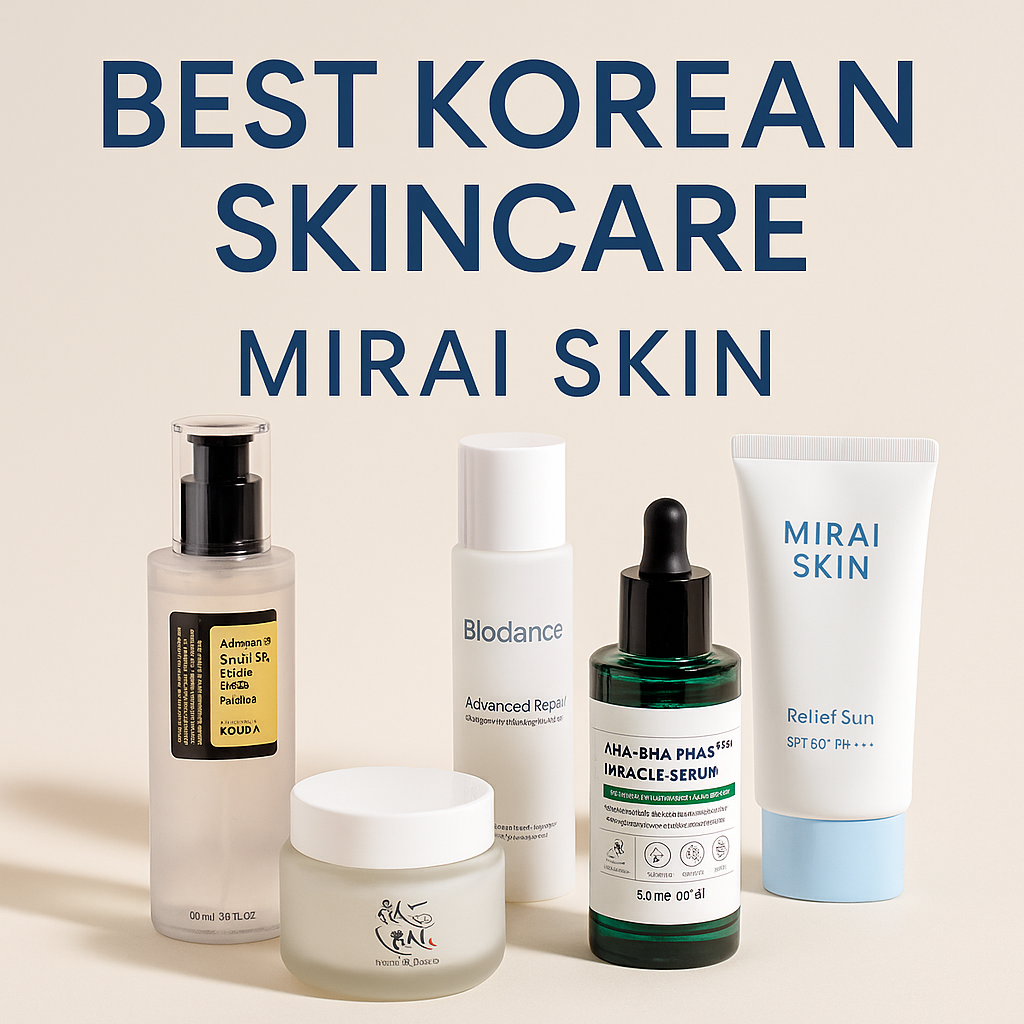
On the retail side, Mirai skin carries Korean skincare across multiple brands, which can be useful for comparing rice-based cleansing oils by texture, ingredient balance, and intended skin type rather than staying inside one brand lineup.
Finding Your Perfect Rice Cleansing Oil
The strongest reason to keep rice cleansing oil in a routine is that it solves a basic skincare problem elegantly. It removes the things that cling to skin, supports a gentler cleansing rhythm, and helps preserve the comfort level your barrier needs.

What to prioritize when shopping
The best formula for you usually comes down to four decisions:
- Texture preference if you dislike rich residue, stay with lighter, faster-emulsifying oils
- Skin behavior if you clog easily, avoid formulas that feel overly heavy after rinsing
- Routine style if you double cleanse every night, choose an oil that plays well with your second cleanser
- Ingredient logic look for rice-derived ingredients supported by an emulsifier system that makes sense
For experienced skincare users, this is the category where label reading pays off quickly. A rice story on the front of the bottle means less than the actual balance of oils, emulsifiers, and rinse feel.
Why rice cleansing oil still feels current
Rice cleansing oil has heritage behind it, but it isn’t stuck there. One of the more interesting directions in the category is the prebiotic angle. According to this discussion of rice water cleansing oil and microbiome support, a projected 2026 trend centers on rice water sugars and peptides supporting beneficial skin bacteria, with Google Trends for “rice water prebiotic” rising by over 40% in early 2026.
That doesn’t change the core reason to use the product. It still has to cleanse well. But it does reinforce why rice remains relevant. It’s one of the few ingredient families that can credibly connect ritual, formulation elegance, and barrier-aware skincare in a single category.
The best rice cleansing oil doesn’t just remove makeup well. It leaves your skin in a condition where the rest of your routine can perform the way it should.
If you’re already ingredient-literate, treat rice cleansing oil as a formula category worth curating carefully, not a generic first cleanse. The right one feels almost invisible in the best way. Your skin is clean, comfortable, and ready for everything that follows.
If you’re ready to add a rice cleansing oil to your routine, browse Mirai skin for authentic Korean skincare from verified brand lineups. It’s a practical way to compare rice-based cleansers by texture, ingredient profile, and routine fit before choosing your next first cleanse.