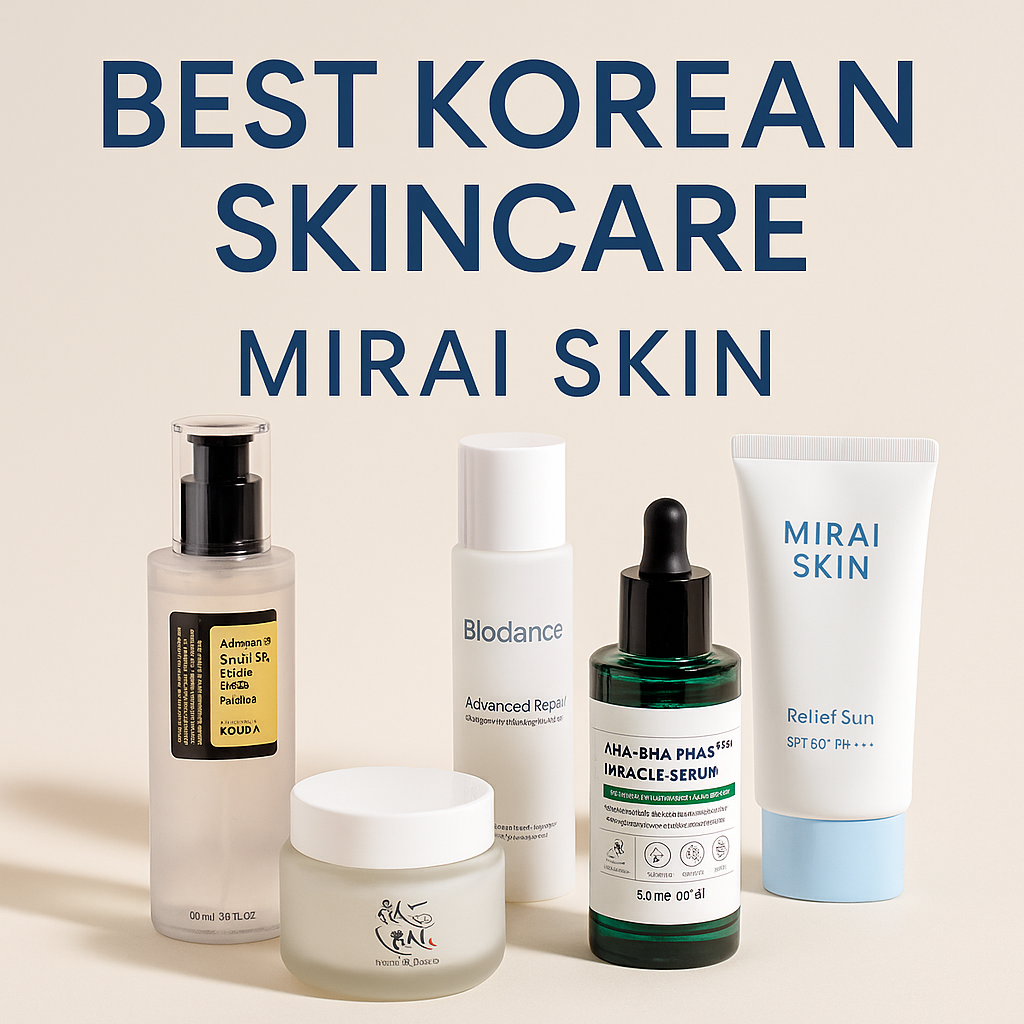
You wake up, look at the shelf, and suddenly a simple skincare morning routine feels like a chemistry exam. Cleanser or just water. Toner or essence. Vitamin C or niacinamide. Moisturizer before sunscreen, obviously, but where does snail mucin fit, and do you need all of it before coffee?
Individuals generally don't need a rigid, exhausting routine. They need a routine that protects skin during the day, keeps the barrier comfortable, and fits real life. That's where K-Beauty is often misunderstood. The point isn't doing the most. The point is layering the right textures, choosing ingredients that make sense for your skin, and staying consistent enough to see calm, steady results.
Why Your Morning Skincare Routine Matters
Morning skincare used to be much simpler. The bigger shift has been moving from a basic cleanse-and-moisturize pattern to one that explicitly includes daily sun protection. That change reflects a more prevention-focused approach to skin health, centered on protecting the barrier and reducing daytime environmental damage. Morning skincare is also mainstream now, with 82% of women and 62% of men reporting a daily skincare routine according to this review in the National Library of Medicine.

Protection changes the goal
In treatment-focused routines, you're trying to correct something. Pigmentation. Congestion. Rough texture. Overnight is often better for that work.
A skincare morning routine has a different job. It should help skin hold water, sit comfortably under makeup or bare-faced sunscreen, and stay resilient through UV, heat, wind, indoor air, and the friction of daily life.
That's why the K-Beauty approach works so well in the morning. It asks a practical question first. What does skin need before you walk out the door?
Usually, the answer is:
- Gentle cleansing: Remove sweat, oil, and leftover product without stripping.
- Light hydration: Add water-binding layers so skin doesn't feel tight by midday.
- Barrier support: Use moisturizer to reduce dehydration and improve comfort.
- Daily UV defense: Finish with sunscreen because daytime protection is the priority.
Core mindset: Morning skincare should make your skin harder to irritate, not easier.
A good routine should feel boring in the best way
If your skin is stinging, pilling, getting greasy by noon, or feeling dry under sunscreen, the routine isn't balanced. In my treatment room, the most common issue isn't that people use too little. It's that they stack too many strong products before breakfast and then wonder why makeup separates or their cheeks burn.
Good AM skincare should feel smooth, light, and repeatable. You want enough hydration to keep skin flexible, enough moisture to seal it in, and enough protection to prevent daily stress from undoing your evening work.
The K-Beauty Morning Routine Order
The easiest way to build a skincare morning routine is by function, not by chasing a fixed number of steps. Think in four phases: cleanse, prep, treat, protect. The rule that keeps the whole routine coherent is simple: apply the thinnest textures first and move toward the thickest. Clinical guidance also stresses that sunscreen belongs at the end because it is the last AM layer before sun exposure, and that everyday incidental UV exposure matters. That same guidance notes that zinc oxide or avobenzone are effective active ingredients for blocking both UVA and UVB in broad-spectrum sunscreen, as discussed in this dermatology review.
A visual guide helps if you tend to over-layer in the morning.

Cleanse or rinse
This first phase should reset the skin, not scrub it raw. If you woke up oily, exercised early, or used heavier occlusives overnight, a low-foaming gentle cleanser makes sense. If your skin is dry, sensitive, or barrier-impaired, a water rinse may be enough.
Look for textures that leave the skin soft rather than squeaky. In K-Beauty terms, a mild gel cleanser or low-pH foam is often easier to live with in the morning than anything aggressively exfoliating.
Prep with hydration
K-Beauty particularly excels in this area. A hydrating toner, watery essence, or light first-step serum can change the feel of the whole routine.
If your skin drinks up hydration, use one or two light layers rather than jumping straight into a heavy cream. Ingredients that tend to work well here include hyaluronic acid, glycerin, beta-glucan, panthenol, birch sap, tremella, and fermented extracts. Snail mucin can also work beautifully in the morning when you want slip and hydration without weight.
A good prep layer does three things:
- Softens the surface: Skin feels less tight and more flexible.
- Improves application: Serums and moisturizers spread more evenly.
- Reduces friction: Makeup and sunscreen are less likely to catch on dry patches.
Here's a simple texture sequence that works well:
| Product type | Typical role in AM | Texture position |
|---|---|---|
| Hydrating toner | Adds water and slip | Earliest |
| Essence | Boosts hydration and comfort | After toner |
| Serum | Targets a specific concern | Mid-layer |
| Moisturizer | Seals hydration | Near the end |
| Sunscreen | Protects from UV | Last |
After your prep layer, you can add a treatment serum if you have a clear reason for it. Vitamin C is a common morning choice for brightness and antioxidant support. Niacinamide works well when you want balancing support, visible pore refinement, or help with redness. If you already use several actives at night, morning is often better kept simpler.
Later in the routine, this walkthrough can help you visualize layering in motion.
Moisturize and protect
Moisturizer should match climate, not just skin type. In humid weather, a gel-cream with humectants may be enough. In dry air or air conditioning, a cream with ceramides, squalane, cholesterol, or fatty acids gives better staying power.
Then comes the step you should treat as essential. Sunscreen. Not because it sounds virtuous, but because it protects the work you're doing with every other product. If your serum is brightening but your sunscreen is inconsistent, you're working against yourself.
Sunscreen is the last skincare layer in the morning. If it pills, the layers under it need adjusting.
When sunscreen misbehaves, the fix usually isn't more effort. It's less. Fewer layers, lighter textures, and enough time for each layer to settle.
Customizing Your Routine for Your Skin Type
Skin type changes how a morning routine should feel on the face by lunchtime. The K-Beauty approach is useful here because it is flexible. You keep the same goal each morning, then adjust texture, weight, and treatment based on what your skin is doing.

Oily and acne-prone skin
Oily skin usually does better with less stripping and more control over finish.
I see many acne-prone clients use a harsh morning cleanser, then wonder why they are shiny again before noon. A squeaky-clean finish often pushes skin toward rebound oil and makes sunscreen harder to keep in place. In the morning, light hydration with a low-residue finish tends to work better.
Good picks include gel cleansers, watery toners, fluid essences, and lightweight moisturizers that do not leave a heavy film. For breakout-prone skin, noncomedogenic formulas are often easier to layer consistently.
Useful ingredients:
- Niacinamide: Helps regulate visible oiliness and supports a more even-looking tone.
- Salicylic acid: Helps with clogged pores, but morning use should be selective if you already exfoliate at night.
- Green tea or centella asiatica: Help calm visible redness.
- Zinc PCA: Useful when shine is the main complaint.
The trade-off is simple. The lighter you go, the less greasy the finish usually feels. But if you strip too much, skin often tries to compensate.
Dry and dehydrated skin
Dry skin lacks oil. Dehydrated skin lacks water. Many people have both, and the morning routine should address both without turning into a heavy, sticky stack.
In practice, one rich cream is not always the best answer. A hydrating toner or essence under a moisturizer often gives better comfort because humectants such as glycerin, hyaluronic acid, beta-glucan, and panthenol pull in water, while ceramides and squalane help keep it there. This is one reason K-Beauty layering works so well for morning dryness. Thin layers can leave skin bouncy and comfortable without making sunscreen slide.
A quick check helps here.
If your skin feels tight but looks shiny, increase water-binding hydration before you increase oil.
For very dry skin, a richer sunscreen may give enough comfort to replace a separate moisturizer. For a compromised barrier, keep the routine quiet and predictable. Skip exfoliating pads, hot water, and rough cleansing tools until the skin settles.
Combination skin
Combination skin responds best to selective application. Your forehead, nose, cheeks, and jaw do not need identical products in identical amounts.
Use a lighter gel moisturizer through the T-zone and a cream only where you feel dryness. If the center of your face gets congested but the outer edges feel comfortable with just water, adjust your cleanse the same way. This kind of zoning is common in treatment rooms because it respects how skin behaves.
| Concern area | Better morning choice | Usually less helpful |
|---|---|---|
| Oily T-zone | Lightweight gel moisturizer | Heavy cream everywhere |
| Dry cheeks | Essence plus cream on dry areas | Astringent toner all over |
| Congested nose or chin | Targeted salicylic acid use | Scrubbing with grainy exfoliants |
| Makeup breakdown | Fewer layers under sunscreen | Thick occlusive products in heat |
Sensitive and reactive skin
Sensitive skin usually improves with fewer variables. Morning is the wrong time to test multiple actives, strong fragrance, or high-acid formulas, especially if your evening routine already includes retinoids or exfoliants.
Keep the structure short and calm:
- Gentle rinse or low-foam cleanser
- One hydrating or soothing layer
- Barrier-supportive moisturizer if needed
- Sunscreen your skin tolerates well
Centella asiatica, heartleaf, ceramides, panthenol, madecassoside, colloidal oat, and beta-glucan are all reliable categories to look for. I also tell reactive clients to pay attention to temperature. Applying products on overheated skin can increase flushing, even when the formula itself is gentle.
If you are comparing Korean skincare by texture and concern, Mirai Skin is one retailer that organizes products in a practical way. That can make it easier to compare an essence, ampoule, gel cream, and SPF based on how your skin behaves in the morning, not on how many steps a routine appears to have.
The 5-Minute Skincare Routine for Busy Days
Some mornings don't allow for seven layers, and that's fine. A short skincare morning routine isn't a failure. In many cases, it's the version people consistently follow. Recent expert guidance increasingly favors fewer steps and better adherence over using more products, while also emphasizing that sunscreen is essential and extra hydration depends on how dry your skin is, as noted in this morning versus evening routine guide.

The efficient version that still works
On rushed days, keep the structure but compress the layers:
-
Quick cleanse or rinse
If you're dry or normal, rinse. If you're oily or sweaty, use a gentle cleanser. -
One multitasking hydration layer
Choose a serum or essence that hydrates and supports the barrier. Hyaluronic acid, panthenol, niacinamide, snail mucin, or centella-based formulas are all common morning-friendly options depending on your skin. -
Moisturizing sunscreen
Use a sunscreen texture that gives enough comfort to stand in for a separate moisturizer if needed.
This approach works because it respects function. You're still removing residue, adding hydration, and protecting skin. You're just doing it with fewer bottles.
What to skip first
If time is tight, don't skip sunscreen. Skip the optional steps that add redundancy.
That usually means:
- Extra toner layers: Helpful, but not always necessary.
- Eye cream: Fine if you enjoy it, not essential for every morning.
- Multiple treatment serums: More likely to pill under SPF.
- Heavy cream in humid weather: Often unnecessary under sunscreen.
A short routine done every day will outperform an elaborate routine you only manage twice a week.
The best 5-minute routine feels almost automatic. If it's so complicated that you avoid it on busy mornings, it isn't optimized yet.
Common Morning Routine Mistakes and How to Fix Them
Most bad morning routines don't fail because the products are terrible. They fail because the routine fights itself. Too much cleansing. Too many layers. The wrong texture order. Sunscreen applied like an afterthought.
Mistake one: assuming everyone must cleanse in the morning
Many routine guides still treat cleanser as mandatory, but dermatologist-led advice is more nuanced. One expert notes that she often skips a morning cleanser, especially for dry or barrier-impaired skin, as discussed in this morning routine article from Estée Lauder.
If your skin feels comfortable when you wake up, don't force a full wash just because a checklist told you to. A rinse may be enough. If you wake up oily, a gentle cleanser still makes sense.
Mistake two: layering in the wrong order
If a thick cream goes on before a watery essence or serum, the lighter product won't spread or sit as well. Then people keep rubbing, the surface starts to pill, and sunscreen goes patchy.
Fix it by keeping the flow intuitive:
- Watery first
- Then gel or serum
- Then cream
- Sunscreen last
Give each layer a little time to settle. You don't need a long pause. You do need to stop massaging every product endlessly.
Mistake three: treating SPF like a sunny-day product
A lot of people are disciplined with serums and casual with sunscreen. That's backward for the morning. If your brightening serum is expensive but your sunscreen use is inconsistent, your priorities are off.
This also shows up when people apply sunscreen too fast over wet skincare. The result is streaking, pilling, and uneven coverage. If that's happening, simplify the layers underneath and use less product per layer before sunscreen.
Your AM routine should support sunscreen wear. If it makes sunscreen harder to apply, something below it needs editing.
Mistake four: making the morning routine too aggressive
Strong acids, scrubs, benzoyl peroxide washes, and hot water can all leave skin reactive before the day even starts. That doesn't mean those ingredients never have a place. It means morning usually isn't where skin needs all of them at once.
When skin feels raw, the fix is usually not another calming serum on top of the irritation. It's reducing the cause.
Level Up with K-Beauty Essences and Ampoules
A good K-Beauty morning routine gets stronger when you add a booster that solves a real problem. That usually means better hydration, calmer skin, or more even tone with fewer layers, not a longer routine for its own sake.
I tell clients to earn these steps first. If skin is still tight after cleansing, sunscreen pills by noon, or moisturizer feels heavy and ineffective, the answer is usually better routine fit, not more products. Once the basics are working, essences, serums, and ampoules can improve performance in a noticeable way.
What each one does
Essence adds a light layer of hydration and slip. In practice, this is often the product that helps skin look fresher without feeling greasy. Ferments, glycerin, beta-glucan, and snail mucin are common picks when dehydration is the main issue.
Serum is the treatment step. It should have a job. Vitamin C helps with dullness and post-acne marks. Niacinamide supports oil balance and tone. Centella asiatica, heartleaf, and panthenol help reduce visible redness and irritation. Hyaluronic acid and polyglutamic acid hold water well, but they work best when followed by a moisturizer.
Ampoule usually has a more concentrated feel and a narrower purpose. Use one when skin needs extra support in a specific area, such as barrier stress, persistent dehydration, or recovery after overuse of active ingredients. You do not need an ampoule every morning. You need one when it gives a result your serum does not.
Where they fit in the routine
Placement still comes down to texture and function.
| Layer | Common K-Beauty option | Morning purpose |
|---|---|---|
| After cleansing | Hydrating toner | Replenish water and reduce tightness |
| Next | Essence | Add light hydration and improve spread |
| Then | Serum or ampoule | Treat one clear concern |
| Next | Moisturizer | Reduce water loss and support the barrier |
| Final | Sunscreen | Protect skin from UV exposure |
If you use both a serum and an ampoule, check for overlap. Two brightening products in the same routine often create extra tackiness without giving better results. One well-chosen treatment is usually easier to wear under sunscreen and makeup.
Smart ways to upgrade
A targeted change works better than adding several new steps at once.
- For dehydration: Add a ferment essence or snail mucin essence under moisturizer.
- For dullness: Use a vitamin C serum on dry skin before cream.
- For redness-prone skin: Choose an ampoule with centella, heartleaf, or panthenol.
- For makeup prep: Use an essence with light slip and switch to a lighter moisturizer in humid weather.
This is the part of K-Beauty many people get wrong. The goal is not a fixed 10-step routine. The goal is skin that stays comfortable through the day, holds hydration, and wears sunscreen well.
If you're refining your skincare morning routine and want to compare authentic Korean skincare options by category, Mirai skin can help you browse cleansers, essences, serums, moisturizers, and sunscreen textures side by side so you can build a routine that fits your skin instead of copying someone else's shelf.
For a deeper look at where vitamin C fits into the first hour of your day, Rooted Glow’s guide to building a Korean-style morning routine around vitamin C breaks it down step by step.