When you’re trying to treat melasma, the goal isn't just to lighten dark spots. It's about creating a consistent, gentle routine that gets to the root of the problem. A natural approach focuses on inhibiting new pigment production and supporting overall skin health, steering clear of harsh treatments that can often make things worse in the long run.
What Causes Melasma and Why a Natural Approach Works

If you have stubborn, grayish-brown patches on your cheeks, forehead, or upper lip, you know melasma is different. It’s not like post-inflammatory hyperpigmentation (PIH) left behind by a breakout. It's a much more complex and persistent type of discoloration. While it's often called the "mask of pregnancy," it can show up on anyone, at any time.
Melasma happens when your pigment-producing cells, the melanocytes, get thrown into overdrive. This isn’t a random fluke-it’s a direct response to specific triggers. Getting to know these root causes is the first real step toward treating melasma naturally and effectively.
The Main Triggers Behind Melasma
For so many, melasma feels like a frustrating puzzle. The discoloration is often tied to a mix of factors, which can make treatment feel like you're aiming at a moving target.
Here’s what’s usually at play:
- Hormonal Fluctuations: This is the trigger everyone knows about. Shifts in estrogen and progesterone, whether from pregnancy or hormonal contraceptives, are notorious for waking up dormant melasma.
- Sun Exposure: UV radiation is public enemy number one. Even a tiny bit of unprotected sun can fire up melanocytes and darken existing patches, undoing weeks of progress in minutes.
- Genetics: Unfortunately, if melasma runs in your family, you’re more likely to deal with it yourself.
- Inflammation and Irritation: This is a big one. Harsh skincare, aggressive treatments, and even friction from rubbing your skin can trigger a protective pigment response, making the condition worse.
The core principle of a natural K-Beauty approach is to calm the skin, not attack it. By soothing inflammation and protecting the skin barrier, you create an environment where melanocytes are less likely to overproduce pigment.
The Challenge with Conventional Treatments
Many conventional treatments, like high-strength hydroquinone or aggressive chemical peels, promise to bleach the skin fast. And while they might give you some initial improvement, they often come with a major catch.
The global market for melasma treatments is valued at around USD 1.02 billion, yet the results aren't always lasting. Recurrence rates for these aggressive methods can be as high as 41-60%. This often happens because the treatments themselves cause underlying inflammation, leading to rebound hyperpigmentation that can be even worse than what you started with. You can read more about these stats in recent dermatological studies.
This is exactly why so many skincare enthusiasts are now turning to gentle, sustainable methods. The Korean skincare philosophy, which puts barrier health and long-term results ahead of quick fixes, is a perfect fit. Instead of stripping the skin, the goal is to work with it, using potent but calming botanicals to gently slow down pigment production. This way, you brighten the skin without sparking the irritation that keeps you in a vicious cycle.
Mastering Sun Protection to Prevent Melasma Flare-Ups

Before you spend a single dollar on a brightening serum, we need to have a serious talk about the sun. If you're trying to figure out how to treat melasma naturally, sun protection isn't just another step-it's the entire foundation of your strategy.
Without it, any progress you make with other treatments will be erased after just a few minutes of unprotected exposure. Sunlight, especially UV radiation, is the number one trigger for melasma, sending a direct signal to your pigment-producing cells to go into overdrive. This means a diligent, non-negotiable sun care plan is your most powerful tool.
Decoding Sunscreen Labels for Melasma
Walking down the sunscreen aisle can be overwhelming, but for melasma-prone skin, a few key terms on the label are critical. Not all sunscreens are created equal when it comes to the level of protection you truly need.
Let's break down exactly what you should be looking for:
- Broad-Spectrum Protection: This is non-negotiable. It means the formula protects you from both UVA rays (which cause aging and trigger pigment) and UVB rays (which cause burning). Melasma is activated by the full spectrum, so you need complete coverage.
- SPF 50+: SPF (Sun Protection Factor) primarily measures protection against UVB rays. For melasma, a high SPF of 50 or more is the gold standard to ensure you're getting maximum defense.
- PA++++: This is a Japanese rating system, widely adopted in Korean skincare, that measures UVA protection. The more plus signs, the better the defense. PA++++ is the highest rating available, offering extreme UVA protection, which is absolutely essential for managing melasma.
Think of it like this: SPF is your shield against a sunburn, while the PA rating is your shield against the deeper-penetrating rays that are notorious for worsening pigmentation. Your goal is to find a sunscreen that excels at both.
Why Mineral Sunscreens Are Often a Better Choice
For those of us managing melasma, mineral sunscreens are often the superior choice over chemical ones. While both are effective, mineral formulas offer a unique advantage that can make a real difference.
Mineral sunscreens use active ingredients like Zinc Oxide and Titanium Dioxide to create a physical barrier on your skin. They sit on the surface and literally block or reflect UV rays away. This is different from chemical sunscreens, which absorb UV radiation and convert it into heat.
The key difference for melasma-prone skin is that this heat conversion process from chemical sunscreens can sometimes worsen pigmentation. Mineral formulas avoid this potential trigger, making them a gentler and often safer option.
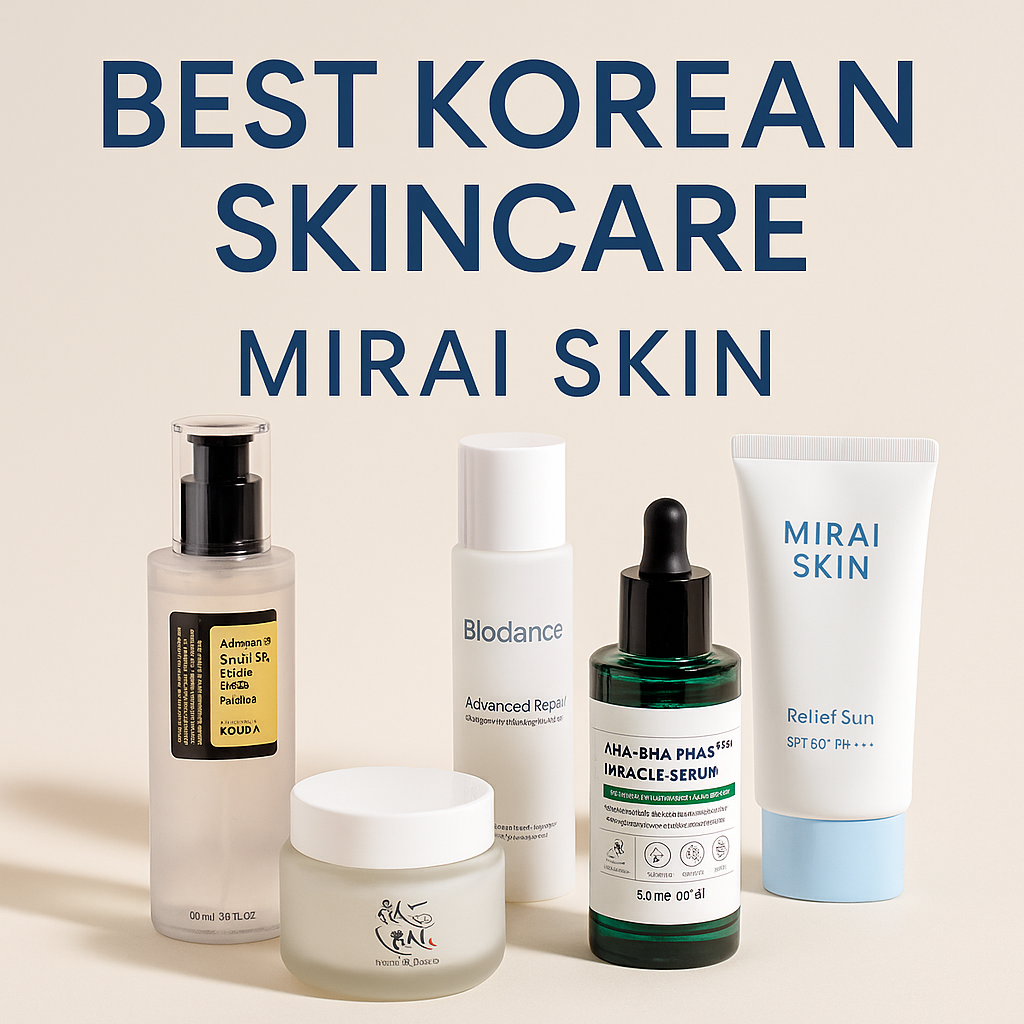
Many of the most beloved K-beauty sunscreens at Mirai Skin are mineral or hybrid formulas for this very reason, combining gentle protection with elegant, wearable textures.
The Art of Consistent Application and Reapplication
Applying sunscreen once in the morning simply isn't enough. Its effectiveness degrades over time, especially with sun exposure and sweating. To maintain your shield, reapplication is key.
Here’s how to make it a seamless part of your day:
- The Two-Finger Rule: For your initial application, squeeze sunscreen along the length of your index and middle fingers. This simple trick helps ensure you're applying enough to cover your face and neck adequately-most people under-apply.
- Reapply Every Two Hours: If you're outdoors, set a timer on your phone. This is the most crucial habit you can build to keep your melasma in check.
- Reapplying Over Makeup: This is where many people get stuck. Sunscreen sticks and powders are fantastic for this. A cushion compact with SPF is another K-Beauty favorite for quick, easy touch-ups that won't mess up your makeup.
Beyond sunscreen, simple physical barriers add another powerful layer of defense. A wide-brimmed hat, UV-protective sunglasses, and seeking shade during peak sun hours (10 a.m. to 4 p.m.) are all habits that support your skincare efforts and protect your progress.
Harnessing Nature's Most Powerful Brightening Ingredients
Now that you have your sun protection strategy locked in, it’s time for the fun part: going on the offense against dark spots. To treat melasma naturally, we’re not looking for one single “magic bullet.” Instead, we build a team of smart, evidence-backed botanicals that work together to gently fade discoloration.
This isn't about generic advice. We’re going to dive into the specific ingredients that K-Beauty experts at Mirai Skin rely on for stubborn hyperpigmentation. My goal is to help you read an ingredient list like a pro, so you can choose products that actually deliver visible results.
The Power of Tyrosinase Inhibitors
To really tackle melasma, you need to know about one key enzyme: tyrosinase. Think of it as the on/off switch for pigment production. When things like UV light or hormonal shifts flip that switch, it kicks off the process that creates excess melanin, leading to those dark patches.
The best natural ingredients are tyrosinase inhibitors. They essentially tell that switch to chill out, slowing down pigment production before it even gets started. This is a much smarter and more sustainable approach than trying to "bleach" away existing spots.
One of the most celebrated tyrosinase inhibitors out there is Licorice Root Extract. This isn't just an old folk remedy-modern science confirms its power. Its active compound, glabridin, is incredibly good at interrupting the pigment process without causing irritation.
In fact, licorice has become the most studied herbal remedy for this very issue. A review of 21 clinical trials found that around 80% of melasma lesions treated with licorice had an excellent response, cementing its spot as a top natural alternative to harsh chemicals. You can check out the full clinical review on its effectiveness and see the data for yourself.
Korean skincare is all about creating powerful ingredient cocktails. We’ve broken down some of the best natural brighteners in this table so you know exactly what to look for.
Top Natural Ingredients for Melasma Treatment
| Ingredient | How It Works | Found In (Product Type) | Mirai Skin Product Example (Conceptual) |
|---|---|---|---|
| Licorice Root Extract | A potent tyrosinase inhibitor (glabridin) that stops excess pigment production at the source. Also anti-inflammatory. | Serums, Essences, Ampoules | Licorice & Ginseng Dark Spot Corrector |
| Ginseng | Contains ginsenosides that offer antioxidant protection and interfere with the melanin pathway. | Serums, Anti-aging Creams, Essences | Fermented Ginseng Revitalizing Essence |
| Fermented Rice Water | Naturally contains kojic acid, a gentle tyrosinase inhibitor. Also hydrates and softens skin texture. | Essences, Toners, Sheet Masks | Rice Water & Sake Brightening Toner |
| Green Tea Extract (EGCG) | A powerful antioxidant that calms inflammation, a key trigger for post-inflammatory hyperpigmentation and melasma. | Serums, Moisturizers, Toners | Green Tea Calming Gel Cream |
| Stable Vitamin C | Fights free radical damage and helps fade existing spots. Derivatives are gentler than pure L-Ascorbic Acid. | Serums, Ampoules, Moisturizers | Ascorbyl Glucoside 10% Brightening Serum |
By combining these ingredients, you're not just treating one aspect of melasma-you're addressing it from multiple angles for better, more stable results.
Ginseng and Fermented Rice: The K-Beauty Brightening Duo
While licorice root is a solo star, K-Beauty truly shines when it combines ingredients. Two other superstars you’ll find in the best brightening ampoules and essences are Ginseng and Fermented Rice Water.
Ginseng: Long praised in traditional Korean medicine (hanbang) for its ability to bring skin back to life, ginseng is also a brilliant ingredient for evening out skin tone. It’s packed with compounds called ginsenosides, which pull double duty by offering antioxidant protection and interfering with the signals that create dark spots.
- How it helps: It shields skin from the environmental triggers that can worsen pigmentation and helps block the pathway that leads to dark spots.
- Where to find it: Look for it in revitalizing serums or rich anti-aging creams, where it’s often paired with other traditional herbs for a synergistic effect.
Fermented Rice Water (Sake): Once the beauty secret of geishas, this is now a non-negotiable in K-Beauty. The fermentation process naturally creates kojic acid, another gentle tyrosinase inhibitor. It's much kinder to the skin than its pure synthetic form and comes loaded with amino acids that nourish the skin barrier.
- How it helps: It gently brightens by slowing down melanin creation, all while hydrating and softening the skin for that "glass skin" glow.
- Where to find it: It’s a hero ingredient in essences, toners, and sheet masks designed to give you a luminous, even complexion.
Green Tea and Stable Vitamin C: Your Antioxidant Allies
Finally, no guide on how to treat melasma naturally would be complete without talking about antioxidants. These are your skin’s personal bodyguards. They work to neutralize the free radical damage from sun and pollution that causes inflammation and, you guessed it, more pigmentation.
Pro Tip: Think of antioxidants as your backup defense. Your sunscreen is the shield, but antioxidants are the cleanup crew working inside the skin to repair any damage that sneaks through.
Green Tea Extract (EGCG): This is so much more than a calming drink. Green tea is loaded with a powerful antioxidant called EGCG (epigallocatechin gallate), which is fantastic at soothing inflammation. Since inflammation is a major melasma trigger, keeping your skin calm is non-negotiable.
Stable Vitamin C Derivatives: We all know pure Vitamin C (L-Ascorbic Acid) is a great brightener, but it can also be notoriously irritating, especially for sensitive or melasma-prone skin. That’s why K-Beauty formulators often lean on gentler, more stable derivatives.
Look for these names on an ingredient list:
- Sodium Ascorbyl Phosphate (SAP)
- Ascorbyl Glucoside
- Magnesium Ascorbyl Phosphate (MAP)
These versions are much less likely to cause redness or stinging but still deliver the brightening power and antioxidant benefits of Vitamin C. They help fade the spots you have and prevent new ones from showing up. You’ll often find them in daily serums from our Mirai Skin collections, designed specifically to calm, protect, and brighten your complexion.
Building Your Daily Anti-Melasma K-Beauty Routine
Knowing which ingredients fight melasma is half the battle. The other half? Using them correctly. A consistent, well-structured routine is where your strategy truly comes to life, ensuring your products work together to protect, treat, and repair your skin.
This isn't about following a rigid, one-size-fits-all list of rules. Think of this as a flexible framework. The Korean skincare philosophy teaches us to listen to our skin, and that's exactly what we're going to do-build a daily blueprint that becomes second nature on your journey to a clear, even-toned complexion.
The Foundation: A Gentle Double Cleanse
Every effective K-Beauty routine, especially one targeting melasma, starts with a thorough yet gentle double cleanse in the evening. This two-step ritual is non-negotiable for creating a clean slate so your treatment products can actually absorb and do their job.
Remember, aggressive cleansing can cause inflammation-a known melasma trigger-so gentleness is everything.
-
First, an oil-based cleanser. Massage an oil cleanser or balm onto dry skin to dissolve stubborn sunscreen, makeup, and excess sebum. This is the only way to ensure your mineral SPF is completely gone without stripping your skin’s protective oils.
-
Next, a water-based cleanser. Follow up with a low-pH, hydrating cleanser to wash away any remaining impurities and oil residue. Look for formulas with calming ingredients like Centella Asiatica or Green Tea to leave your skin perfectly prepped, never tight.
How To Layer Your Actives For Maximum Impact
Once your skin is cleansed and toned, it’s time for your treatment products. The golden rule of layering is simple: apply products from the thinnest consistency to the thickest. This allows each layer to penetrate effectively without being blocked by a heavier product that was applied too soon.
When you see a brightening ingredient on a label, it's often designed to interrupt the process that creates dark spots in the first place.

As you can see, the right ingredient acts like a roadblock, inhibiting the enzyme that triggers excess melanin. This allows your skin's natural brightening process to work without interference.
For a melasma-focused routine, this means your tyrosinase-inhibiting serums (like those with Licorice Root or Ginseng) go on before your moisturizer. Give each serum a minute or two to absorb before moving on. That little bit of patience makes a huge difference.
AM vs PM Anti-Melasma Routine Framework
Your morning and evening routines have completely different jobs. Your AM routine is all about protection from UV rays and pollution. Your PM routine is dedicated to treatment and repair, taking advantage of the skin's natural regenerative cycle while you sleep.
Here’s a simple framework to show how you can structure your daily efforts for the best results.
| Step | AM Routine (Focus on Protection) | PM Routine (Focus on Treatment & Repair) |
|---|---|---|
| Cleanse | A gentle splash of water or a single hydrating cleanser. | Double cleanse with an oil cleanser, followed by a water-based cleanser. |
| Tone/Prep | A hydrating toner or essence to balance skin pH. | A hydrating or exfoliating toner to prep skin for treatments. |
| Treat | An antioxidant serum (like a stable Vitamin C derivative) to fight free radical damage. | A targeted brightening serum with Licorice Root, Ginseng, or Fermented Rice. |
| Hydrate | A lightweight moisturizer to lock in hydration without feeling heavy. | A barrier-supporting moisturizer, perhaps slightly richer than your AM one. |
| Protect | A broad-spectrum SPF 50+ PA++++ mineral sunscreen. This is the most critical step. | No sunscreen is needed. Focus on sealing everything in. |
This table isn’t meant to be rigid, but rather a guide to help you build a routine that feels right for your skin. The core principle is to protect by day and treat by night.
The Role of a Barrier-Supporting Moisturizer
Never, ever underestimate the power of a good moisturizer. A healthy skin barrier is less prone to the irritation and inflammation that directly trigger melasma. When your barrier is compromised, your skin becomes more reactive, less resilient, and more susceptible to hyperpigmentation.
Think of your moisturizer as the guardian of your skin barrier. Its job is to lock in all the beneficial ingredients from your treatment steps and prevent water loss, keeping your skin calm, hydrated, and strong.
Look for moisturizers with ingredients like ceramides, hyaluronic acid, and panthenol to help repair and fortify your skin's natural defenses. For K-Beauty lovers, a cream with Snail Mucin is also an excellent choice, as it not only hydrates but also aids in skin repair. You can find a curated selection of barrier-loving creams in the Mirai Skin moisturizer collection.
Lifestyle Changes That Support Clearer Skin
Effective melasma care isn’t just about what you put on your skin-it's about a 360-degree approach. While the right topicals are a huge piece of the puzzle, your daily habits and internal health can either support or sabotage your efforts. To really get a handle on melasma naturally, you have to look at the bigger picture.
The connection between our gut, mind, and skin is undeniable, and it’s especially relevant for pigmentation. Things like chronic stress, a few nights of bad sleep, or an inflammatory diet can all mess with your hormones and kickstart the cellular processes that cause melasma to darken.
By tackling these internal triggers, you’re creating an environment where your skin can actually heal and stay clear.
Eat Your Way to Brighter Skin
Your diet can be one of the most powerful tools in your arsenal against hyperpigmentation. The main goal here is to fill your plate with foods that fight oxidative stress, a key trigger for the cellular damage that ends in dark spots.
Think of it this way: your body is constantly defending itself against environmental attackers. Antioxidant-rich foods act like an internal army, neutralizing these threats before they can trigger excess pigment production in your skin cells.
Try to work these foods into your meals regularly:
- Colorful Berries: Blueberries, strawberries, and raspberries are loaded with antioxidants that help protect your skin cells from damage.
- Tomatoes: A fantastic source of lycopene, a potent antioxidant that research shows may offer a small amount of natural sun protection from the inside out.
- Leafy Greens: Spinach, kale, and other greens are nutritional giants, packed with vitamins and antioxidants that combat inflammation.
These foods help build up your skin’s natural defenses, making it more resilient against the triggers that make melasma flare.
The Critical Role of Stress and Sleep
Ever notice your skin just looks worse after a stressful week? It’s not in your head. Stress and sleep are directly tied to your skin's health and its ability to repair itself.
When you’re stressed, your body pumps out cortisol, the "stress hormone." Chronically high cortisol levels can throw your other hormones out of whack, leading to inflammation and a spike in melanin production-a recipe for a melasma flare-up.
Quality sleep is when your skin performs its most critical repair functions. During deep sleep, your body ramps up blood flow to the skin and rebuilds collagen, helping to undo daily damage. Getting 7-9 hours of quality sleep a night is non-negotiable for any serious skincare plan.
You don't need a complicated routine. Simple stress-busters like a 10-minute daily meditation, a quick walk outside, or a few deep-breathing exercises can make a huge difference in lowering cortisol and keeping your skin calm.
Inside-Out Support With Supplements
While a whole-foods diet should always come first, some supplements have shown real clinical promise in helping manage melasma from within. They can provide an extra layer of protection that's tough to get from food alone.
One of the most-studied supplements for this is Polypodium leucotomos, an extract from a specific type of fern. Studies suggest it has powerful antioxidant and photoprotective qualities, essentially helping make the skin more resistant to UV damage. You can think of it as an "internal sunscreen" that works alongside your daily SPF.
Of course, it’s always smart to talk with your doctor or a qualified healthcare professional before starting any new supplement. They can help you figure out if it's the right move for you, ensuring you're tackling pigmentation from every possible angle.
Patience, Consistency, and When to Call a Pro
Let’s be honest: tackling melasma naturally is a true test of commitment. This isn’t about a quick fix. It’s a marathon that requires two things above all else: patience and consistency.
Unlike aggressive treatments that might offer fast (but often fleeting) results, a gentle, K-Beauty-inspired routine works differently. It focuses on calming inflammation, stopping future pigment from forming, and slowly turning over cells. This means you won’t see changes overnight. With daily use of brightening ingredients and fanatical sun protection, you might notice a subtle improvement in your skin’s overall clarity within 2-3 months. More significant fading often takes 6 months or longer as your skin slowly sheds the old, pigmented cells.
The One Step You Can Never, Ever Skip: Patch Testing
Before you get carried away with that exciting new serum, there’s one rule you absolutely cannot break: patch testing. This is non-negotiable, especially when you’re dealing with a reactive condition like melasma where inflammation is a major trigger.
Just think-a bad reaction to a new product like redness, itching, or a fresh breakout can cause post-inflammatory hyperpigmentation (PIH). That new spot of discoloration can set your progress back by weeks or even months, undoing all your hard work.
Here’s how to do it right:
- Apply a tiny bit of the new product on a discreet spot, like behind your ear or on your inner wrist.
- Repeat this once a day for at least three to five days in a row.
- Keep a close eye on the area for any signs of irritation, redness, or bumps.
If your skin stays calm and happy, you can feel much more confident adding it to your full routine, starting with just a few times a week.
Remember, the goal is to calm your skin, not challenge it. Patch testing is your best defense against unwanted inflammation and a critical part of a successful long-term strategy.
Knowing When It’s Time for Professional Guidance
A natural, K-Beauty routine can work wonders for managing melasma. But it’s just as important to know when it’s time to bring in a professional. Seeing a board-certified dermatologist doesn’t mean your natural approach failed; it just means you’re arming yourself with more information and powerful new options.
Think of a dermatologist as a skilled partner in your skincare journey. They can give you a definitive diagnosis, rule out other conditions, and offer a whole new level of insight into your specific triggers.
Clear Signs It's Time to See a Dermatologist
Even with the most dedicated at-home routine, some melasma is just plain stubborn. Don’t hesitate to book an appointment if you notice any of these signs:
- Your Melasma Is Getting Worse: Despite a consistent and gentle routine, you see your patches getting darker, bigger, or spreading to new areas.
- You’re Dealing with Constant Irritation: If you’re struggling with redness, sensitivity, or discomfort that won’t go away, a dermatologist can help pinpoint the cause.
- You’ve Seen Zero Improvement After 6-9 Months: If you’ve been diligent with sun protection and targeted ingredients for over six months with no change, a professional can assess whether a prescription-strength option is needed to get things moving.
- You're Curious About Prescription Options: If you want to explore treatments like tretinoin, prescription-strength azelaic acid, or even in-office procedures like chemical peels or lasers, a dermatologist is the only one qualified to guide you safely.
Seeking professional help is a smart move. Your dermatologist can work with you to weave prescription treatments into your existing K-Beauty routine, creating a hybrid approach that gives you the best of both worlds. Here at Mirai Skin, our goal is to empower you to make informed, healthy choices for your skin at every stage of your journey.
Frequently Asked Questions About Treating Melasma Naturally
Can I Use Vitamin C If I Have Melasma?
Yes, but you have to be smart about it. Pure Vitamin C, also known as L-Ascorbic Acid, can sometimes be too strong for melasma-prone skin. If it causes irritation, it could actually make your pigmentation worse.
A better approach is to choose gentler, more stable derivatives like Sodium Ascorbyl Phosphate or Ascorbyl Glucoside. Start slow, maybe just 2-3 times a week at first. Always use it in your morning routine, followed by a solid sunscreen, as it can make your skin more sun-sensitive while also providing amazing antioxidant protection against daily environmental damage.
How Long Does It Really Take to See Results?
Patience is a non-negotiable when you’re treating melasma naturally. This is definitely a marathon, not a sprint. If you’re consistent with daily sunscreen and your targeted brightening ingredients, you might start to notice a subtle improvement in your skin's overall clarity in about 2-3 months.
Significant fading often takes 6 months or longer. You are working to inhibit new pigment from forming while waiting for the existing pigmented cells to complete their natural shedding cycle.
Is It Safe to Combine Multiple Brightening Ingredients?
Yes, and in fact, layering a few well-chosen natural brighteners is a cornerstone of an effective K-Beauty routine. The key is to introduce them one at a time, so you can see how your skin reacts before adding another. This helps you pinpoint any potential sensitivity right away.
A great, well-tolerated combination is using a gentle Vitamin C serum in the morning for antioxidant defense and a serum with Licorice Root Extract or Ginseng in the evening. This lets your skin work on inhibiting melanin production while you sleep.
Will My Melasma Come Back After I Stop the Routine?
Since melasma is a chronic skin condition, there’s a high chance it will try to come back. The goal of a natural routine isn't a one-and-done "cure" but a long-term management plan to keep your skin clear and stable.
The single most important factor in preventing its return is lifelong, uncompromising sun protection. Even after your melasma has faded, diligent use of a broad-spectrum SPF 50+ PA++++ sunscreen is the best thing you can do to keep future flare-ups from happening.
Related Reading
Ready to build your gentle yet effective anti-melasma routine? Discover authentic, results-driven K-Beauty essentials curated at Mirai Skin to help you achieve your clearest skin. Explore our collections at https://miari-skin.com.