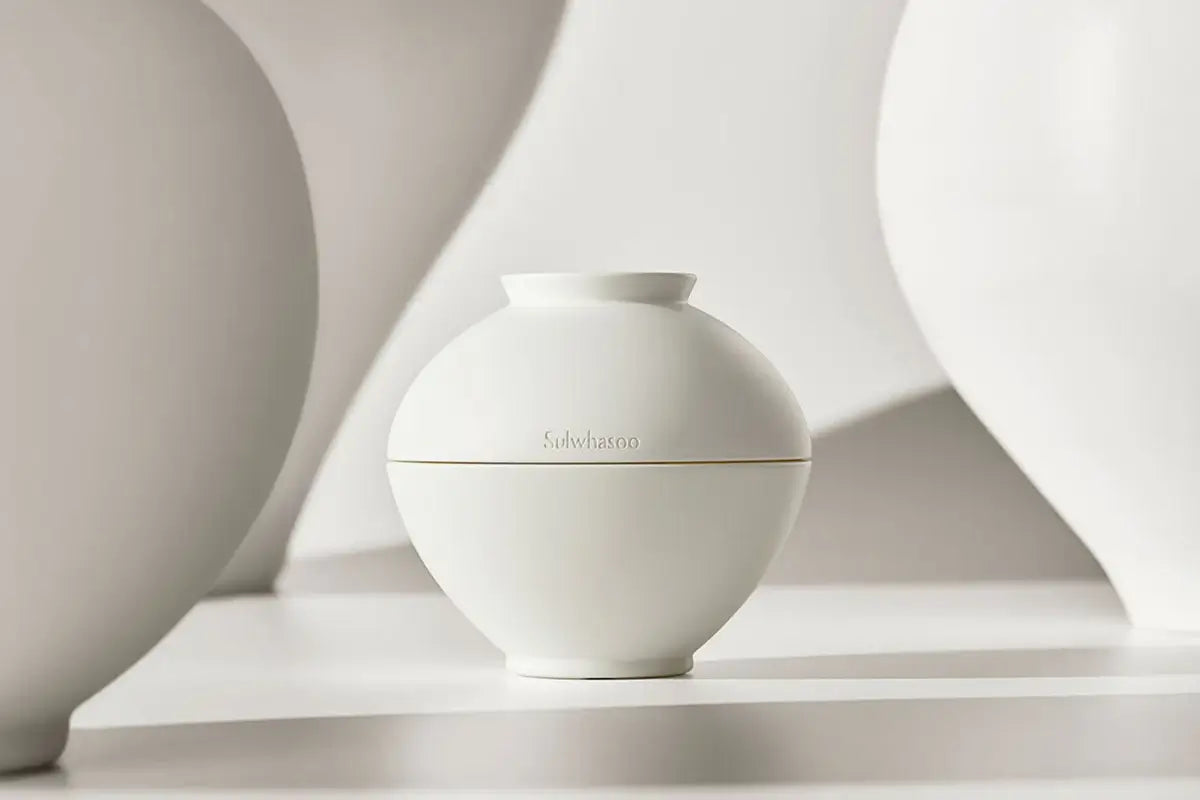
Ginseng: The Root of Korean Beauty, Literally If there is one ingredient that embodies the soul of Korean skincare, it is ginseng. Known as "insam" in Korean, ginseng has been revered in Korean culture for over 2,000 years -- not just as a medicinal herb, but as a symbol of vitality, longevity, and beauty. Korean ginseng (Panax ginseng) is considered the most potent variety of ginseng in the world, and it forms the foundation of some of the most prestigious and effective skincare products ever created. The luxury Korean beauty house Sulwhasoo built an entire empire around ginseng, proving that this ancient root can command attention even in a market flooded with high-tech ingredients. But ginseng is not just for luxury skincare. Brands like Beauty of Joseon and I'm From have made ginseng-based products accessible to every budget, ensuring that everyone can benefit from this time-tested ingredient. Whether you are looking for anti-aging benefits, brightening effects, or simply want to give your skin the vitality boost it has been craving, ginseng deserves a place in your routine. Here is everything you need to know about this legendary Korean beauty ingredient. The Science Behind Ginseng in Skincare Korean ginseng (Panax ginseng) derives its potency from a class of compounds called ginsenosides (also known as panaxosides). Over 40 different ginsenosides have been identified, and each contributes unique benefits to the skin: Ginsenoside Rb1: Stimulates collagen synthesis in fibroblasts and inhibits the activity of matrix metalloproteinases (MMPs), the enzymes that break down collagen and elastin in the skin. This dual action both builds new collagen and protects existing collagen from degradation. Ginsenoside Rg1: Promotes angiogenesis (new blood vessel formation) and improves blood circulation to the skin, enhancing nutrient delivery and giving the skin a healthy, vital glow. Ginsenoside Rg3: Found primarily in red ginseng (heat-processed ginseng), this compound has potent antioxidant and anti-inflammatory properties. Red ginseng is considered more bioactive than white (raw) ginseng. Ginsenoside Rd: Inhibits melanin synthesis by suppressing tyrosinase activity, contributing to ginseng's brightening and dark spot-fading effects. Beyond ginsenosides, ginseng root extract contains polysaccharides that provide hydration and form a protective barrier on the skin, polyacetylenes with antimicrobial properties, and phenolic compounds that offer additional antioxidant protection. Clinical research has shown that topical ginseng extract can increase skin elasticity by up to 25% after 12 weeks of use, while simultaneously reducing wrinkle depth and improving overall skin hydration. The ingredient also shows promise for protecting skin against photoaging caused by UV radiation. Key Benefits of Ginseng for Skin Potent anti-aging: Ginseng tackles aging from multiple angles: boosting collagen production, protecting existing collagen from breakdown, improving elasticity, and fighting free radical damage. This comprehensive approach makes it one of the most effective botanical anti-aging ingredients available. Skin brightening and radiance: Ginsenosides inhibit melanin production and improve blood circulation, resulting in a naturally brighter, more luminous complexion. The "ginseng glow" is a real, observable effect that users consistently report. Improved elasticity and firmness: By stimulating collagen and elastin production while preventing their breakdown, ginseng helps restore the bouncy, firm quality of youthful skin. Enhanced blood circulation: Ginseng improves microcirculation in the skin, delivering more oxygen and nutrients to skin cells. This results in a healthier, more vibrant complexion and can help reduce the appearance of dark circles. Antioxidant defense: The potent antioxidant activity of ginsenosides protects against environmental damage, UV-induced aging, and pollution-related skin stress. Skin revitalization: Ginseng has an energizing effect on tired, fatigued skin, improving cellular metabolism and helping skin look more vital and refreshed. Who Should Use Ginseng Mature or aging skin: Ginseng is particularly beneficial for skin showing signs of aging, including fine lines, wrinkles, loss of firmness, and reduced elasticity. It is often recommended for those in their 30s and beyond. Tired, fatigued-looking skin: If your skin looks flat, lifeless, or lacks vitality, ginseng's circulation-boosting properties can restore a healthy, energized appearance. Dull complexion seeking brightening: Ginseng's melanin-inhibiting and circulation-enhancing properties work together to restore natural radiance without aggressive brightening agents. Dry or dehydrated skin: The polysaccharides in ginseng provide excellent hydration and help strengthen the moisture barrier. Those interested in traditional Korean beauty: If you value time-tested, culturally significant beauty ingredients with centuries of historical use, ginseng is the quintessential Korean beauty ingredient. Who Should Be Cautious with Ginseng Very sensitive or reactive skin: While ginseng is generally well-tolerated, some individuals with very sensitive skin may find that the potent bioactive compounds cause mild tingling or warmth. Start with lower-concentration products and patch test first. Ginseng allergies: Though rare, ginseng allergies do exist, particularly in individuals with allergies to plants in the Araliaceae family. Discontinue use if you experience redness, itching, or swelling. Very young skin: While ginseng is not harmful for young skin, its primary benefits are anti-aging focused. Teenagers and those in their early 20s may benefit more from other ingredients targeting their specific concerns. Best Korean Products with Ginseng From luxury to accessible, these ginseng products from Mirai Skin cover every price point: Sulwhasoo Concentrated Ginseng Rejuvenating Serum 30ml The crown jewel of ginseng skincare. Sulwhasoo uses proprietary Ginsenomics technology with compound K-enriched ginseng to deliver maximum anti-aging potency. This luxurious serum visibly firms, lifts, and rejuvenates the skin. If you want to experience the pinnacle of ginseng skincare, this is it. Beauty of Joseon Revive Serum: Ginseng + Snail Mucin 30ml This clever formulation combines the anti-aging power of ginseng with the healing and hydrating properties of snail mucin. The result is a serum that firms, brightens, and deeply nourishes simultaneously. An incredible value that delivers luxury-level results at an accessible price point. Beauty of Joseon Revive Eye Cream: Ginseng + Retinal 30ml Targeting the delicate eye area, this eye cream pairs ginseng with retinal (a potent form of vitamin A) for intensive anti-aging around the eyes. The nourishing formula addresses crow's feet, under-eye fine lines, and dark circles while the generous 30ml size offers excellent value for an eye cream. I'm from Ginseng Serum 30ml I'm From sources their ginseng from Korea's premier ginseng-growing regions and uses a concentrated extract in this anti-aging serum. The honey-like, golden texture is rich in ginsenosides and delivers visible firming and brightening with a luxurious application experience. A fantastic option for those wanting pure ginseng benefits. Beauty of Joseon Ginseng Essence Water 150ml This essence water infuses your routine with ginseng benefits from the hydrating prep step. The lightweight, watery texture absorbs instantly and provides a foundation of anti-aging and revitalizing ginseng extract for your entire routine to build upon. The 150ml size means you can use it liberally. How to Use Ginseng in Your Routine Essence water step: Start with a ginseng essence water right after cleansing to introduce the first layer of ginseng benefits and prep the skin for absorption. Serum step: Apply a concentrated ginseng serum after your essence water. Warm 2-3 drops between your palms and press into the skin for optimal absorption. Eye cream: Apply a ginseng eye cream using your ring finger, gently tapping around the orbital bone. The eye area benefits enormously from ginseng's firming properties. Moisturizer step: Finish with a ginseng-containing cream or moisturizer to seal in all the goodness. Frequency: Ginseng products can be used twice daily without any concerns about photosensitivity or irritation. However, some concentrated serums (like the I'm From Ginseng Serum) may feel more appropriate as evening treatments due to their richer texture. Layering partners: Ginseng works beautifully with rice extract (a classic Korean pairing), snail mucin, retinol, adenosine, and hyaluronic acid. The Beauty of Joseon line especially embraces these traditional Korean ingredient combinations. Pro tip: Red ginseng (heat-processed) is generally more potent than white ginseng in skincare formulations. Look for "red ginseng" or "ginseng root extract" high on the ingredient list for maximum benefit. Frequently Asked Questions About Ginseng in Skincare What is the difference between red ginseng and white ginseng in skincare? White ginseng is the raw, dried root, while red ginseng undergoes a steaming and drying process that transforms some ginsenosides into more bioactive forms, particularly ginsenoside Rg3. Red ginseng is generally considered more potent for anti-aging purposes. Sulwhasoo and other premium brands typically use proprietary red ginseng preparations. Both forms are beneficial, but red ginseng is the gold standard for maximum efficacy. Can I use ginseng skincare in my 20s? While ginseng's primary benefits are anti-aging, using it in your mid-to-late 20s as a preventive measure is perfectly reasonable. Collagen production begins declining around age 25, so starting ginseng at this age helps maintain skin firmness proactively. The brightening and circulation-boosting benefits are valuable at any age. Does ginseng skincare have a strong smell? Some ginseng products, particularly concentrated serums, do have a distinctive earthy, herbal scent that comes from the natural ginseng root extract. Most people find it pleasant and spa-like. If you are sensitive to fragrances, opt for products that combine ginseng with other ingredients (like the Beauty of Joseon serums), which tend to have a milder scent. Is Korean ginseng better than other types of ginseng for skincare? Korean ginseng (Panax ginseng) is considered the most potent variety due to its higher concentration and diversity of ginsenosides compared to American ginseng (Panax quinquefolius) or Siberian ginseng (Eleutherococcus senticosus). Korea's unique climate and soil conditions, particularly in regions like Geumsan and Punggi, produce ginseng with exceptional bioactive content. Related Reading What Makes Sulwhasoo Unique Sulwhasoo Serum Review Shop Anti-Aging K-Beauty Products Shop All Korean Serums Related Reading best retinol serums best Korean eye creams best Korean anti-aging products
Read moreRice in Korean Skincare: An Ancient Ingredient for Modern Beauty Long before K-beauty became a global phenomenon, Korean women knew the secret to luminous, porcelain-like skin: rice. For centuries, rice water, rice bran, and fermented rice extracts have been cornerstones of traditional Korean beauty rituals. Court ladies of the Joseon dynasty famously used rice water to cleanse their skin and maintain their celebrated complexions. Today, rice remains one of the most beloved and versatile ingredients in Korean skincare. From lightweight toners to nourishing creams and brightening masks, rice-based products continue to deliver the same timeless benefits that made this ingredient legendary. Modern science has validated what Korean women have known for generations: rice is genuinely effective for brightening, moisturizing, and protecting the skin. In this guide, we will explore the different forms of rice used in skincare, understand the science behind its benefits, and help you find the best Korean rice products for your skin. The Science Behind Rice in Skincare Rice offers multiple forms for skincare use, each with distinct properties: Rice Extract and Rice Water Rice water (the starchy liquid left after soaking or cooking rice) contains a wealth of skin-beneficial compounds including inositol, ferulic acid, allantoin, and various amino acids. Inositol is particularly noteworthy -- it is a carbohydrate compound that promotes cell growth and stimulates blood flow to the skin, helping to reduce enlarged pores and create a smoother skin surface. Rice Bran and Rice Bran Oil Rice bran -- the outer layer of the rice grain -- is rich in gamma-oryzanol, a powerful antioxidant unique to rice that has been shown to inhibit melanin production and protect against UV damage. Rice bran oil also contains squalene, tocopherols (vitamin E), and phytosterols that deeply nourish and moisturize the skin. Fermented Rice Water When rice water undergoes fermentation, its beneficial compounds become more concentrated and bioavailable. Fermented rice extract contains elevated levels of kojic acid (a natural skin brightener), lactic acid (a gentle exfoliant), and B vitamins. The fermentation process also produces antioxidants not present in unfermented rice. Research published in cosmetic science journals has demonstrated that rice-derived compounds can reduce melanin production by up to 20-30%, comparable to some synthetic brightening agents but with a far gentler profile. A clinical study found that women who washed their faces with rice water for 12 weeks showed significant improvements in skin brightness, elasticity, and moisture content. Key Benefits of Rice for Skin Natural brightening: Rice contains multiple melanin-inhibiting compounds that work together to gradually brighten the skin and fade dark spots. Unlike harsh chemical brighteners, rice-based brightening is gentle and suitable for daily use. Deep moisturizing: The lipids in rice bran and the humectant properties of rice water provide multi-level hydration that plumps and softens the skin without heaviness. Gentle exfoliation: The natural acids in rice (especially fermented rice) promote mild cell turnover, revealing fresher, more radiant skin beneath without the irritation of stronger chemical peels. Antioxidant protection: Gamma-oryzanol and ferulic acid in rice provide powerful protection against free radical damage from UV rays and pollution, helping prevent premature aging. Anti-inflammatory properties: Rice extract has a calming effect on irritated skin, making rice-based products suitable for sensitive and redness-prone skin types. Improved skin texture: Regular use of rice skincare products leads to visibly smoother, more refined skin texture as the gentle exfoliating and nourishing compounds work over time. Oil control: Despite its moisturizing properties, rice extract helps absorb excess sebum, making it surprisingly effective for combination and oily skin types. Who Should Use Rice in Skincare Dull or sallow skin: Rice is one of the best ingredients for restoring natural radiance to skin that has lost its glow. The gradual brightening effect is particularly effective for sallow or yellowish undertones. Hyperpigmentation and dark spots: The melanin-inhibiting properties of rice help fade sun spots, age spots, and post-inflammatory hyperpigmentation over time. Dry or dehydrated skin: Rice bran oil and rice water provide excellent moisture for parched skin, with a nourishing quality that many synthetic humectants lack. Sensitive skin: Rice is one of the gentlest brightening ingredients available, making it ideal for those who react to vitamin C or niacinamide. All ages and skin types: From teenagers dealing with dullness to mature skin seeking anti-aging brightening, rice is universally suitable and beneficial. Who Should Be Cautious with Rice Rice allergies: Though uncommon in topical application, individuals with known rice allergies should patch test rice-based skincare products before full use. Celiac disease or grain sensitivities: While rice is gluten-free, some individuals with grain sensitivities may prefer to patch test first, especially with products containing rice bran or rice ferment. Extremely oily skin with clogged pores: Rice bran oil is generally non-comedogenic, but very oily skin types should be mindful with rich rice cream products. Lighter rice toners and essences are typically a better fit. Best Korean Products with Rice These top-rated Korean rice products are available at Mirai Skin: I'm from Rice Toner 150ml Made with rice extract from Yeoju, Korea (renowned for producing the finest rice), this milky toner delivers visible brightening from the very first use. The slightly cloudy, rice-water-like texture provides immediate hydration and a subtle glow. A K-beauty essential that brings the traditional rice water ritual into a modern skincare routine. I'm from Rice Cream 50g This nourishing cream pairs rice bran extract with rice bran oil for intensive brightening and moisturizing. The comfortable, medium-weight texture melts into the skin and provides lasting hydration throughout the day. The perfect complement to the I'm from Rice Toner for a complete rice-based routine. Beauty of Joseon Glow Replenishing Rice Milk 150ml Beauty of Joseon's rice milk toner draws inspiration from Joseon dynasty beauty secrets. The milky, emulsion-like texture combines rice bran water with soybean extract for brightening and nourishing benefits. It blurs the line between toner and essence, providing substantial hydration in a lightweight format. COSRX Ultimate Nourishing Rice Overnight Spa Mask 60ml This overnight sleeping mask lets rice work its magic while you sleep. The creamy formula with rice extract deeply nourishes and brightens overnight, and you wake up to visibly more luminous, softer skin. An excellent way to boost your rice skincare benefits without adding daytime steps. How to Use Rice in Your Routine Toner step: Rice toners are the most popular entry point. Apply after cleansing by patting into the skin or using cotton pads. Layer 2-3 times for enhanced brightening. Essence/milk step: Rice milks and essences follow your toner. Their slightly richer texture provides an additional layer of nourishment and brightening. Cream step: Rice creams seal in all previous layers while providing their own dose of brightening and moisturizing rice compounds. Overnight mask: Use a rice sleeping mask 2-3 times per week as the final step in your evening routine for intensive overnight brightening treatment. Wash-off mask: Rice wash-off masks can be used 1-2 times per week for an instant brightening boost. Apply a thick layer, leave for 10-15 minutes, then rinse. Frequency: Rice products are gentle enough for daily, twice-daily use. There is no risk of over-exfoliation or photosensitivity. Pairing: Rice pairs beautifully with niacinamide, hyaluronic acid, ginseng, and honey. It also works well alongside stronger actives like vitamin C and retinol, as the rice helps soothe any potential irritation. Frequently Asked Questions About Rice in Skincare Is rice water toner the same as actual rice water from cooking? While inspired by the same concept, commercial rice toners are formulated with concentrated, purified rice extracts that are more potent and stable than homemade rice water. They also contain additional beneficial ingredients and are properly preserved. While DIY rice water can provide some benefits, commercial products offer more consistent, effective results. Can rice skincare help with dark under-eye circles? Rice extracts can help brighten the under-eye area over time thanks to their melanin-inhibiting properties. However, dark circles can have multiple causes (genetics, vascular issues, thin skin), and rice may only address pigmentation-related darkness. For comprehensive under-eye care, combine rice products with targeted eye creams. Is fermented rice better than regular rice extract? Fermented rice extract is generally more potent due to the increased bioavailability of active compounds and the production of additional beneficial substances during fermentation. However, regular rice extract is still highly effective and may be better tolerated by sensitive skin. Both forms offer legitimate brightening and moisturizing benefits. Can I use rice skincare if I have oily skin? Absolutely. Despite its moisturizing properties, rice extract actually helps regulate sebum production. Opt for lightweight formats like rice toners and essences rather than rich rice creams. The I'm from Rice Toner and Beauty of Joseon Rice Milk are particularly well-suited for oily and combination skin. Related Reading Rice Water Toner Benefits Rice Mask Guide I'm from Rice Toner Review I'm from Rice Cream Review Shop Brightening K-Beauty Products Shop All Korean Toners Related Reading best retinol serums best Korean eye creams best Korean toners
Read moreWhat Is Adenosine and Why Is It in Almost Every Korean Anti-Aging Product? If you have ever turned over a Korean moisturizer, eye cream, or serum and scanned the ingredients list, chances are you have spotted adenosine near the bottom of the list. This unassuming ingredient quietly appears in countless K-beauty products, yet most skincare consumers know little about what it does or why Korean formulators rely on it so heavily. Here is the truth: adenosine is one of the most clinically proven anti-wrinkle ingredients in skincare, officially recognized by the Korean FDA (MFDS) as a functional anti-aging ingredient. This means products containing adenosine at effective concentrations can legally make anti-wrinkle claims in Korea -- a significant distinction in a market known for strict cosmetic regulations. Unlike trendier anti-aging ingredients that come and go, adenosine has maintained its status as a K-beauty staple for decades because it simply works. It is gentle, effective, compatible with virtually every other skincare ingredient, and suitable for all skin types. This guide will explore why adenosine deserves far more attention than it typically receives. The Science Behind Adenosine Adenosine is a naturally occurring nucleoside (a molecule made of adenine and ribose sugar) found in every cell of the human body. It plays fundamental roles in cellular energy transfer (as part of ATP -- adenosine triphosphate), cell signaling, and DNA/RNA synthesis. In skincare, topically applied adenosine delivers specific anti-aging benefits through several mechanisms: Collagen stimulation: Adenosine activates the adenosine A2A receptor on fibroblasts, promoting the synthesis of collagen types I and III. These are the primary structural proteins responsible for skin firmness and elasticity. Anti-inflammatory action: Through A2A and A2B receptor activation, adenosine reduces the production of inflammatory mediators, helping to calm skin and reduce redness associated with aging and environmental damage. Wound healing acceleration: Adenosine enhances tissue repair by promoting fibroblast migration and proliferation at the site of skin damage, leading to faster recovery from micro-injuries and improved skin texture over time. Smooth muscle relaxation: Adenosine has a mild muscle-relaxing effect that can help reduce the appearance of expression lines, sometimes described as a very gentle, topical alternative to the mechanism behind muscle relaxants used in aesthetic procedures. Clinical trials have demonstrated that topical adenosine at concentrations as low as 0.04% can produce visible anti-wrinkle effects after 4 weeks of consistent use. The Korean MFDS recognizes adenosine as an effective anti-wrinkle active ingredient, which is why you will find it in so many Korean products that carry the "functional cosmetic" designation for anti-aging. Key Benefits of Adenosine for Skin Visible wrinkle reduction: Adenosine smooths fine lines and softens deeper wrinkles through collagen stimulation and its mild muscle-relaxing effect. Results are gradual but cumulative with consistent use. Improved skin firmness: By promoting collagen and elastin synthesis, adenosine helps restore the structural support that keeps skin taut and bouncy. Gentle and non-irritating: Unlike retinol, which can cause dryness, peeling, and sensitivity, adenosine delivers anti-aging benefits without any irritation. This makes it suitable for even the most sensitive skin types. Universal compatibility: Adenosine plays well with every skincare ingredient -- retinol, vitamin C, niacinamide, AHA/BHA, peptides, and more. You never have to worry about conflicts or negative interactions. Accelerated skin repair: The wound-healing properties of adenosine help skin recover from damage faster, whether from UV exposure, pollution, or post-procedure healing. Energizing tired skin: As a component of cellular energy systems, adenosine helps boost skin cell metabolism, resulting in a more vital, refreshed appearance. Who Should Use Adenosine Anyone in their late 20s and beyond: Adenosine is an excellent preventive anti-aging ingredient. Starting in your late 20s when collagen production begins to decline helps maintain youthful skin longer. Sensitive skin types afraid of retinol: If retinol irritates your skin, adenosine offers a gentle alternative for anti-wrinkle benefits. Many dermatologists recommend it as a retinol substitute for sensitive skin. Those seeking effortless anti-aging: Since adenosine is included in many moisturizers and creams, you can get anti-aging benefits without adding extra steps to your routine. All skin types: Dry, oily, combination, sensitive -- adenosine works for everyone. It does not clog pores, does not cause dryness, and does not increase sun sensitivity. Pregnant or nursing individuals: Adenosine is pregnancy-safe, making it one of the few anti-aging actives you can continue using throughout pregnancy. Who Should Be Cautious with Adenosine Adenosine is one of the safest and best-tolerated ingredients in skincare. There are virtually no contraindications: No known sensitivities: Adenosine allergies are extremely rare. Because it is a naturally occurring compound in your own body, your skin recognizes and responds to it without adverse reactions. Realistic expectations: The main caution with adenosine is about expectations rather than safety. Adenosine provides gradual, cumulative anti-aging benefits. If you are looking for dramatic, rapid wrinkle reduction, you may need to pair it with stronger actives like retinol or professional treatments. Best Korean Products with Adenosine These beloved K-beauty products feature adenosine as a key anti-aging ingredient: Beauty of Joseon Dynasty Cream 50ml This cult-favorite cream combines adenosine with rice bran water, ginseng, and orchid extract for a luxurious anti-aging moisturizer. The rich yet non-greasy texture nourishes skin while adenosine works to smooth wrinkles and improve firmness. A K-beauty classic that punches well above its price point. COSRX Advanced Snail 92 All in one Cream 100ml The iconic snail cream that pairs 92% snail secretion filtrate with adenosine for a double dose of skin repair and anti-aging. The lightweight gel-cream texture works for all skin types, and the combination of snail mucin's healing properties with adenosine's wrinkle-fighting action makes this a powerhouse moisturizer. LANEIGE Perfect Renew 3X Cream Advanced 50ml Laneige's premium anti-aging cream features adenosine alongside their proprietary retinol and peptide complex for a comprehensive wrinkle-fighting formula. The luxurious texture melts into the skin and provides deep nourishment. An excellent choice for those wanting adenosine in a more advanced anti-aging formulation. How to Use Adenosine in Your Routine Product format: Adenosine is most commonly found in creams, moisturizers, eye creams, and serums. You do not need to buy a separate adenosine product -- chances are your existing Korean moisturizer already contains it. Application: Apply adenosine-containing products as directed for their product type (cream as the moisturizer step, serum as the treatment step, etc.). No special application technique is needed. Frequency: Use twice daily, morning and evening. Adenosine has no photosensitivity issues, so it is perfectly safe for daytime use. Eye area: Adenosine is particularly effective around the eyes where fine lines tend to appear first. Look for eye creams with adenosine, or gently pat your adenosine-containing moisturizer around the orbital bone. Layering: Adenosine is compatible with everything. Layer it with retinol for enhanced anti-aging, with vitamin C for brightening and firming, or with hyaluronic acid for hydration and plumping. Pro tip: For maximum anti-aging benefits, look for products that list adenosine relatively high in the ingredients list, indicating a higher concentration. Products with "functional cosmetic" or anti-wrinkle claims on the packaging are required to contain adenosine at efficacious levels. Frequently Asked Questions About Adenosine Is adenosine as effective as retinol for anti-aging? Adenosine and retinol work through different mechanisms and have different strengths. Retinol is generally more potent for dramatic wrinkle reduction and skin resurfacing, but it comes with significant irritation potential. Adenosine provides gentler, more gradual anti-wrinkle benefits with zero irritation. Many dermatologists recommend using both: retinol at night for its potent cell turnover effects, and adenosine-containing products both morning and night for continuous collagen support. Can I use adenosine during pregnancy? Yes. Adenosine is considered pregnancy-safe since it is a naturally occurring compound in the human body and has no known teratogenic effects when applied topically. It is one of the best anti-aging ingredients you can continue using while pregnant, when many other actives (retinol, certain chemical exfoliants) should be avoided. Why is adenosine listed so far down in the ingredients list? Adenosine is effective at very low concentrations -- as little as 0.04% has shown clinical efficacy. This is why it often appears near the end of the ingredient list. Its low position does not mean it is ineffective; it means it is potent enough to work in small amounts. This is actually one of its advantages, as the low concentration needed means minimal risk of irritation. How long does it take for adenosine to reduce wrinkles? Clinical studies show visible wrinkle reduction starting at around 4 weeks of twice-daily use. However, adenosine's benefits are cumulative, meaning results continue to improve over 8-12 weeks and beyond. For best results, consistent, long-term use is key. Related Reading Best Korean Anti-Aging Products Shop Anti-Aging K-Beauty Products Shop Korean Moisturizers Related Reading best retinol serums best Korean eye creams
Read moreWhat Is Bifida Ferment Lysate and Why Is Probiotic Skincare Booming? The world of skincare has been buzzing about probiotics, and at the center of this movement is bifida ferment lysate. This fermented ingredient, derived from Bifidobacterium -- one of the most abundant beneficial bacteria found in the human gut -- has emerged as a K-beauty powerhouse for skin barrier repair, deep hydration, and anti-aging. The connection between probiotics and skin health is rooted in the concept of the skin microbiome. Just as your gut relies on beneficial bacteria for optimal function, your skin has its own ecosystem of microorganisms that play a critical role in barrier function, immune defense, and overall skin health. Bifida ferment lysate supports this microbiome while delivering potent anti-aging and hydrating benefits. Korean brands, particularly Mixsoon and TOCOBO, have embraced bifida ferment lysate as a hero ingredient, creating entire product lines that harness its remarkable properties. Whether you are dealing with a compromised skin barrier, chronic dryness, or the early signs of aging, bifida ferment might be the ingredient your routine has been missing. The Science Behind Bifida Ferment Bifida ferment lysate is produced through a specific process: Bifidobacterium bacteria are cultured and then lysed (broken open) through fermentation. The resulting filtrate contains a concentrated mix of beneficial compounds: Peptides and amino acids: The fermentation process produces bioactive peptides that stimulate collagen synthesis and support the skin's structural integrity. These peptides also signal skin cells to produce more natural moisturizing factors. Vitamins (B vitamins, vitamin K): Naturally occurring vitamins in the lysate nourish skin cells and support metabolic processes essential for skin renewal. Lactic acid and organic acids: Gentle acids produced during fermentation provide mild exfoliation and help maintain the skin's optimal pH level (around 5.5), which is critical for barrier function. Polysaccharides: Complex sugars in the ferment create a protective film on the skin that locks in moisture and shields against environmental aggressors. Research published in the Journal of Cosmetic Dermatology has demonstrated that bifida ferment lysate significantly improves skin barrier function within 4 weeks of use, as measured by transepidermal water loss (TEWL). Studies also show it increases ceramide production in the skin, directly strengthening the lipid barrier that keeps moisture in and irritants out. Perhaps most impressively, bifida ferment lysate has been shown to activate the skin's innate immune defense by boosting antimicrobial peptide production. This means it does not just passively protect the skin -- it actively helps the skin defend itself against harmful bacteria and environmental damage. Key Benefits of Bifida Ferment for Skin Skin barrier repair and strengthening: This is where bifida ferment truly excels. By boosting ceramide production and supporting the skin's lipid barrier, it helps repair and maintain a healthy, resilient barrier that locks in moisture and keeps out irritants. Deep, lasting hydration: Bifida ferment enhances the skin's natural moisturizing factors and creates a moisture-retaining film, leading to deeply hydrated skin that stays plump throughout the day. Anti-aging and firming: The peptides and amino acids in bifida ferment stimulate collagen synthesis and improve skin elasticity, helping to reduce the appearance of fine lines and maintain youthful firmness. Microbiome support: By promoting a healthy balance of beneficial microorganisms on the skin's surface, bifida ferment helps create an environment where your skin can thrive and defend itself naturally. Calming and soothing: Bifida ferment has notable anti-inflammatory properties, making it effective for reducing redness and calming sensitized or irritated skin. Improved skin resilience: Regular use helps skin become more resistant to environmental stressors, pollution, and seasonal changes that can trigger sensitivity and dryness. Who Should Use Bifida Ferment Damaged or compromised skin barrier: If your skin feels tight, flaky, or overly reactive, bifida ferment is one of the best ingredients for barrier restoration. Chronically dry or dehydrated skin: The multi-level hydration approach of bifida ferment -- boosting internal moisture production while creating an external moisture seal -- makes it ideal for persistent dryness. Aging or mature skin: The collagen-stimulating and elasticity-improving properties of bifida ferment make it an excellent anti-aging ingredient, especially for those in their 30s and beyond. Post-treatment or post-exfoliation skin: After using retinol, chemical exfoliants, or undergoing professional treatments, bifida ferment helps accelerate barrier recovery. Anyone seeking preventive skincare: Even if you do not have specific skin concerns, bifida ferment provides foundational support for long-term skin health. Who Should Be Cautious with Bifida Ferment Fungal acne concerns: Like other fermented ingredients, bifida ferment is derived from microorganisms. While most users do not experience issues, those with active fungal acne should patch test carefully and monitor for breakouts. Severe immune-compromised skin conditions: Individuals with conditions like severe eczema or psoriasis should consult with their dermatologist before introducing probiotic skincare. First-time ferment users: If you have never used fermented skincare products before, start with one product and monitor your skin for 1-2 weeks before adding additional fermented products. Best Korean Products with Bifida Ferment Discover the best bifida ferment products available at Mirai Skin: mixsoon Bifida Essence 100ml Mixsoon's Bifida Essence features a high concentration of bifida ferment lysate in their signature minimalist formulation. The clear, lightweight texture absorbs beautifully and delivers immediate hydration with long-term barrier-strengthening benefits. A fantastic standalone essence or layering product for any routine. mixsoon Bifida Cream 60ml This rich yet non-greasy cream seals in all the benefits of bifida ferment with a nourishing moisturizing layer. It provides the occlusive step that locks in the probiotic benefits while delivering additional hydration. Perfect for dry and normal skin types who want the full bifida experience from a moisturizer. mixsoon Bifida Toner 150ml Start your bifida routine from the very first step with this probiotic-infused toner. It preps the skin for better absorption of subsequent products while delivering an initial layer of barrier-supporting bifida ferment. The gentle, pH-balanced formula works beautifully for all skin types. TOCOBO Bifida Biome Essence 50ml TOCOBO's Bifida Biome Essence takes a microbiome-focused approach, combining bifida ferment with additional prebiotics and postbiotics for comprehensive skin ecosystem support. The concentrated 50ml format delivers potent benefits, and the elegant texture sinks into the skin effortlessly. How to Use Bifida Ferment in Your Routine Toner step: If using a bifida toner, apply after cleansing to begin building the probiotic foundation for your routine. Pat gently into damp skin. Essence step: Apply bifida essence after toner. This is the most common and effective format for delivering concentrated bifida benefits. Use 2-3 pumps and press into skin. Cream step: Finish with a bifida cream as your moisturizer to seal in the fermented goodness and provide occlusive protection. Full bifida routine: For maximum barrier repair, consider using bifida products at every step (toner, essence, cream). This layered approach provides cumulative benefits. Frequency: Bifida ferment is gentle and non-sensitizing, making it safe for twice-daily use. It does not cause photosensitivity, so it works well in both morning and evening routines. Pairing: Bifida ferment pairs excellently with ceramides, panthenol, and centella asiatica for a comprehensive barrier-repair routine. It also complements retinol and vitamin C by supporting the skin barrier during active ingredient use. Frequently Asked Questions About Bifida Ferment Is bifida ferment a probiotic? Technically, bifida ferment lysate is a postbiotic rather than a probiotic. Probiotics are live microorganisms, while postbiotics are the beneficial compounds produced during fermentation. Bifida ferment lysate contains the metabolic byproducts of Bifidobacterium, not live bacteria. This makes it stable in skincare formulations and effective without the challenges of keeping live bacteria viable in a product. Can bifida ferment replace my moisturizer? A bifida essence alone does not replace a moisturizer, as it lacks the occlusive properties needed to seal in hydration. However, a bifida cream like the Mixsoon Bifida Cream can serve as your moisturizer while delivering probiotic benefits. For best results, use a bifida essence followed by a moisturizer (bifida-based or otherwise). How long does it take to see results from bifida ferment? Hydration benefits are often noticeable within the first few days of use. Barrier repair improvements typically become apparent after 2-4 weeks. For anti-aging benefits like improved firmness and reduced fine lines, allow 6-8 weeks of consistent use for visible results. Can I use bifida ferment with AHA/BHA exfoliants? Yes, and this is actually a great combination. Use your AHA/BHA exfoliant first to promote cell turnover, then follow with bifida ferment products to support barrier recovery. Bifida ferment helps offset the potential barrier disruption from chemical exfoliation, making your exfoliating routine more skin-friendly. Related Reading Shop All Korean Essences Shop Korean Moisturizers Related Reading best retinol serums best Korean anti-aging products
Read moreWhat Is Galactomyces Ferment Filtrate? In the world of Korean skincare, fermented ingredients hold a place of honor. Among them, galactomyces ferment filtrate stands out as one of the most celebrated and scientifically validated. If you have ever wondered what gives certain K-beauty essences that unmistakable "glow from within" quality, the answer is often galactomyces. Galactomyces is a type of fungus (yeast) that belongs to the Saccharomycetaceae family. When this yeast undergoes a controlled fermentation process, it produces a nutrient-rich filtrate packed with amino acids, vitamins, minerals, and organic acids. This filtrate is what goes into your skincare products. The discovery of galactomyces' skin benefits is often attributed to the observation that sake brewers in Japan -- who spent their days with their hands submerged in fermenting rice -- had remarkably smooth, youthful-looking hands despite their advanced age. This observation led to the development of some of the most iconic skincare products in Asia, including the legendary SK-II Facial Treatment Essence. Today, Korean brands like Mixsoon and COSRX offer galactomyces products at a fraction of the luxury price point, making this transformative ingredient accessible to everyone. The Science Behind Galactomyces Galactomyces ferment filtrate is a complex mixture of over 50 bioactive compounds. Here is how the key components work on your skin: Amino acids and peptides: The fermentation process produces a rich blend of amino acids that serve as building blocks for skin proteins. These support skin barrier function and help maintain optimal hydration levels. Vitamins (B2, B3, B5, B6): Galactomyces filtrate is naturally rich in B vitamins, particularly niacinamide (B3), which brightens skin, reduces pore appearance, and strengthens the skin barrier. Organic acids (lactic, malic, succinic): These mild acids provide gentle exfoliation at the cellular level, promoting cell turnover without the irritation associated with traditional chemical exfoliants. Minerals and enzymes: Zinc, magnesium, and naturally occurring enzymes support skin metabolism and antioxidant defense systems. Clinical studies have shown that galactomyces ferment filtrate improves skin texture, increases skin luminosity, and enhances the skin's natural moisture factor (NMF). One study demonstrated a 23% improvement in skin clarity and a significant reduction in melanin production after 8 weeks of use, explaining its reputation as a brightening powerhouse. The fermentation process itself is crucial. It breaks down large molecules into smaller, more bioavailable forms that penetrate the skin more effectively. This is why fermented ingredients often outperform their non-fermented counterparts in skincare applications. Key Benefits of Galactomyces for Skin Visible brightening and glow: Galactomyces is perhaps best known for delivering a lit-from-within radiance. It inhibits melanin synthesis and promotes even skin tone, gradually fading dark spots and dullness. Refined skin texture: The natural acids in galactomyces filtrate gently smooth rough skin texture and minimize the appearance of pores, creating a silkier, more refined complexion. Enhanced hydration: Galactomyces boosts the skin's natural moisturizing factors and helps strengthen the moisture barrier, leading to plumper, more hydrated skin. Anti-aging support: By promoting cell turnover and providing antioxidant protection, galactomyces helps combat fine lines, dullness, and loss of elasticity associated with aging. Skin barrier strengthening: The amino acids and vitamins in galactomyces support a healthy skin barrier, making your skin more resilient against environmental stressors and irritants. Improved product absorption: As a fermented essence, galactomyces preps the skin to absorb subsequent skincare steps more effectively, making your entire routine work harder. Who Should Use Galactomyces Dull or lackluster skin: If your skin looks tired, flat, or lacks that healthy glow, galactomyces is one of the most effective ingredients for restoring luminosity. Uneven skin tone: Those dealing with sun spots, post-inflammatory marks, or general unevenness will appreciate galactomyces' brightening action. All skin types seeking anti-aging prevention: Galactomyces is gentle enough for daily use on any skin type and provides foundational anti-aging benefits. Combination to oily skin: The lightweight, watery texture of most galactomyces products suits oily skin beautifully, providing benefits without heaviness. Anyone new to fermented skincare: Galactomyces is an excellent entry point into the world of fermented K-beauty ingredients. Who Should Be Cautious with Galactomyces Fungal acne (Malassezia folliculitis): Because galactomyces is a yeast-derived ingredient, some individuals prone to fungal acne may find that it triggers breakouts. If you have confirmed fungal acne, proceed with caution and monitor your skin closely. Yeast sensitivities: Those with known sensitivities to yeast-based products should patch test before incorporating galactomyces into their routine. Very sensitive, reactive skin: While galactomyces is generally gentle, fermented ingredients can occasionally cause reactions in highly sensitive skin. Start with every other day use. Best Korean Products with Galactomyces Here are our top galactomyces product recommendations from the Mirai Skin store: mixsoon Galactomyces Essence 100ml Mixsoon's minimalist approach shines with this galactomyces essence. Featuring a short, clean ingredient list with a high concentration of galactomyces ferment filtrate, it delivers brightening and hydrating benefits without unnecessary additives. The lightweight, almost water-like texture makes it perfect for layering in humid weather or under makeup. COSRX Galactomyces 95 Tone Balancing Essence 100ml With 95% galactomyces ferment filtrate, this COSRX essence packs a serious concentration punch. It focuses on tone balancing and brightening, helping even out discoloration and restore radiance. The tried-and-true formula has been a K-beauty staple for years, and the affordable price point makes it easy to use generously. mixsoon Galactomyces Toner 300ml This generous 300ml toner lets you incorporate galactomyces into your very first skincare step after cleansing. The toner format preps and hydrates the skin while beginning the brightening process. The large size offers exceptional value and is perfect for the multi-layering technique popular in Korean skincare. How to Use Galactomyces in Your Routine Toner step: If using a galactomyces toner, apply after cleansing as your first treatment step. Pat gently into the skin or apply with a cotton pad. Essence step: Galactomyces essences go after toner. Pour a small amount into your palms and press into the skin. This is the most popular format for galactomyces products. Frequency: Galactomyces is suitable for twice-daily use. Its gentle nature means you do not need to alternate days or limit application. Layering tips: Apply galactomyces products before heavier serums, ampoules, and creams. The lightweight texture preps the skin perfectly for subsequent steps. It pairs beautifully with niacinamide, hyaluronic acid, and snail mucin. Best results timeline: While hydration benefits are immediate, the brightening and texture-refining effects typically become visible after 3-4 weeks of consistent use. Full results are usually apparent after 8-12 weeks. Pro tip: For an intensive brightening treatment, apply 3-5 layers of your galactomyces essence using the "7-skin method." Each layer adds to the cumulative glow effect, and the lightweight texture prevents any heaviness. Frequently Asked Questions About Galactomyces Is galactomyces the same as the ingredient in SK-II? SK-II uses a proprietary ingredient called Pitera, which is a type of galactomyces ferment filtrate (specifically from a strain discovered during sake production). While the exact strain and fermentation conditions differ between brands, the core ingredient category is the same. Korean brands like COSRX and Mixsoon offer galactomyces products with similar benefits at a much more accessible price point. Will galactomyces cause fungal acne? This is a common concern since galactomyces is yeast-derived. For most people, galactomyces products do not cause fungal acne. However, if you are specifically prone to Malassezia folliculitis, you may want to monitor your skin when first introducing the ingredient. Many people with fungal acne use galactomyces without issues, but individual responses vary. Can I use galactomyces with vitamin C? Yes. Galactomyces and vitamin C complement each other well for brightening. Apply vitamin C serum first (it works best at a lower pH), wait a minute for absorption, then follow with your galactomyces essence. This combination provides powerful brightening from two different mechanisms. How is galactomyces different from other fermented ingredients like bifida? While both are fermented ingredients, they serve slightly different primary purposes. Galactomyces excels at brightening, texture refinement, and glow. Bifida ferment lysate is stronger for barrier repair, deep hydration, and anti-aging. Many K-beauty enthusiasts use both in their routine for comprehensive benefits. Related Reading Shop All Korean Essences Shop Brightening K-Beauty Products Related Reading best Korean vitamin C serums best Korean anti-aging products
Read moreWhat Is PDRN and Why Is It Taking Over K-Beauty? If you have been paying attention to the Korean skincare world lately, you have almost certainly come across four letters that keep showing up everywhere: PDRN. Short for polydeoxyribonucleotide, PDRN is a bioactive compound derived from salmon DNA that has quickly become one of the most talked-about skincare ingredients of 2025 and 2026. From viral TikTok videos to celebrity endorsements by Kim Kardashian and Jennifer Aniston, PDRN has moved from the dermatology clinic into everyday skincare routines. But PDRN is not just hype. It has decades of clinical research behind it, originally used in wound healing and tissue regeneration in medical settings. Korean beauty brands recognized its potential for anti-aging skincare and have been formulating accessible, effective PDRN products that deliver real results. In this guide, we will break down exactly what PDRN is, how it works, and which Korean PDRN products deserve a place in your routine. The Science Behind PDRN PDRN is a fragment of DNA extracted from salmon sperm or salmon trout through a careful purification process. These DNA fragments are composed of deoxyribonucleotide polymers with a molecular weight between 50 and 1,500 kDa, which is small enough to be absorbed by the skin when applied topically. At the cellular level, PDRN works primarily by activating the A2A purinergic receptor pathway. When PDRN binds to these receptors on your skin cells, it triggers a cascade of beneficial effects: Stimulates fibroblast proliferation: Fibroblasts are the cells responsible for producing collagen, elastin, and hyaluronic acid. PDRN essentially tells these cells to work harder and multiply faster. Enhances nucleotide salvage pathway: PDRN provides the raw building blocks (nucleotides) that cells need for DNA repair and new cell production, essentially giving your skin cells the fuel they need to regenerate. Reduces inflammation: By activating the A2A receptor, PDRN has a potent anti-inflammatory effect, reducing the production of pro-inflammatory cytokines like TNF-alpha and IL-6. Promotes angiogenesis: PDRN supports the formation of new blood vessels, improving blood supply to the skin and delivering more oxygen and nutrients to skin cells. Clinical studies have shown that PDRN can increase collagen type I synthesis by up to 30-40% and significantly improve skin hydration, elasticity, and wound healing speed. This is why dermatologists in Korea have been using PDRN injections (sometimes called "salmon DNA injections") for years before topical formulations hit the market. Key Benefits of PDRN for Skin Accelerated skin regeneration: PDRN speeds up cell turnover and tissue repair, helping skin recover faster from damage, whether from environmental stressors, acne, or post-procedure healing. Boosted collagen production: By stimulating fibroblasts, PDRN helps increase the skin's natural collagen output, which declines by about 1% per year after age 25. This translates to firmer, plumper skin over time. Deep hydration: PDRN enhances the skin's ability to produce its own hyaluronic acid, providing hydration from within rather than just sitting on the surface. Many users report a "glass skin" effect within weeks. Anti-inflammatory and calming: PDRN is excellent for reducing redness, calming irritated skin, and soothing post-inflammatory conditions. It works well for sensitive, reactive skin types. Improved skin elasticity: By supporting both collagen and elastin production, PDRN helps restore the skin's bounce and resilience, addressing early signs of sagging. Brightening and tone evening: Better cell turnover and reduced inflammation lead to a more even, luminous complexion over time. Who Should Use PDRN PDRN is remarkably versatile and suitable for a wide range of skin types and concerns: Aging or mature skin: Anyone noticing fine lines, loss of firmness, or reduced skin elasticity will benefit most from PDRN's collagen-boosting and regenerative properties. Dull, tired-looking skin: If your complexion has lost its glow, PDRN can help restore radiance by improving cell turnover and skin vitality. Dehydrated skin: PDRN's ability to boost natural hyaluronic acid production makes it an excellent choice for skin that struggles to retain moisture. Post-acne or scarred skin: The tissue regeneration properties of PDRN can help improve the appearance of acne scars and post-inflammatory hyperpigmentation. Sensitive or reactive skin: PDRN's anti-inflammatory mechanism makes it gentle enough for sensitive skin types, though we always recommend patch testing first. Who Should Be Cautious with PDRN While PDRN is generally well-tolerated, there are some considerations: Seafood or fish allergies: Since PDRN is derived from salmon, individuals with fish allergies should exercise caution. While the purification process removes most allergenic proteins, a patch test is strongly recommended. Very reactive or compromised skin barrier: If your skin barrier is severely damaged, introduce PDRN gradually. Start with every other day application and monitor how your skin responds. Pregnancy and nursing: While topical PDRN has no known contraindications during pregnancy, consult your dermatologist or healthcare provider before adding any new active ingredient during this time. Best Korean Products with PDRN Here are our top picks for PDRN skincare products available at Mirai Skin, each offering a unique approach to harnessing this powerhouse ingredient: Anua PDRN Hyaluronic Acid Capsule 100 Serum 30ml This innovative serum combines PDRN with hyaluronic acid in a capsule delivery system for maximum absorption. The lightweight, fast-absorbing texture makes it perfect for layering, and the dual hydration approach delivers both immediate and long-term moisture. A standout choice for those wanting PDRN with intense hydration. VT PDRN Essence 100 30ml VT Cosmetics takes a concentrated approach with their PDRN Essence 100, featuring a high concentration of salmon DNA extract. The essence-type texture absorbs quickly and works beautifully as a treatment step. VT is well known for their research-driven formulations, and this essence delivers visible firming and brightening results. COSRX 5PDRN Collagen Intense Vitalizing Serum 100ml COSRX's approach pairs five types of PDRN with collagen in a generous 100ml bottle, making it excellent value. This serum targets both firmness and hydration with its vitalizing formula. The larger size means you can use it liberally on face, neck, and decolletage for comprehensive anti-aging care. medicube PDRN Collagen Glow Jelly Serum 30ml Medicube's jelly-textured serum combines PDRN with collagen for a unique sensory experience. The bouncy, jelly-like consistency melts into the skin and delivers a gorgeous glow. This product is particularly popular for its visible "dewy skin" effect and is a great option for those who enjoy a more luxurious application experience. How to Use PDRN in Your Routine Incorporating PDRN into your Korean skincare routine is straightforward: Step placement: Apply your PDRN serum or essence after cleansing and toning, but before heavier creams and moisturizers. It belongs in the treatment/serum step of your routine. Application method: Dispense 2-3 drops onto clean fingertips and gently press the product into your skin using patting motions. Avoid rubbing, which can reduce absorption efficiency. Frequency: PDRN is gentle enough for twice-daily use (morning and evening). If you are new to the ingredient, start with once daily in the evening and build up to twice daily over a week. Layering: PDRN pairs well with hyaluronic acid, niacinamide, and peptides. It can be layered before or after these ingredients. Follow with your moisturizer to seal everything in. Sunscreen: As with any active skincare ingredient, always follow your morning routine with SPF 50+ sunscreen. PDRN supports skin regeneration, and protecting new skin cells from UV damage is essential for best results. Pro tip: For an extra boost, apply your PDRN serum to slightly damp skin (right after toner while the skin is still moist). This can enhance absorption and improve the hydrating effects. Frequently Asked Questions About PDRN Is PDRN the same as salmon sperm? Not exactly. While PDRN is derived from salmon reproductive cells, it undergoes extensive purification to isolate only the beneficial DNA fragments. The final product is a purified polydeoxyribonucleotide compound that contains no intact sperm cells, proteins, or other biological material. Think of it like extracting a specific beneficial molecule from a natural source. How long does it take to see results from PDRN skincare? Most users notice improved hydration and a "glow" within the first 1-2 weeks of consistent use. For anti-aging benefits like improved firmness and reduced fine lines, expect to see noticeable changes after 4-8 weeks of twice-daily application. Significant collagen remodeling effects can continue to improve for up to 3-6 months with consistent use. Can I use PDRN with retinol? Yes, PDRN actually pairs beautifully with retinol. PDRN's anti-inflammatory and regenerative properties can help offset some of the irritation commonly associated with retinol use. Apply PDRN first as a serum step, let it absorb, then follow with your retinol product. This combination delivers powerful anti-aging benefits. Is PDRN cruelty-free? PDRN is derived from salmon, so it is an animal-derived ingredient. However, it is typically sourced from the byproducts of the fishing industry (salmon milt that would otherwise be discarded), making it a sustainable use of existing resources. It is not tested on animals. Those seeking fully vegan alternatives may want to look at synthetic peptides or plant-based collagen boosters instead. Related Reading Want to learn more about PDRN and Korean skincare ingredients? Check out these related articles: PDRN Skincare: The Salmon DNA Trend in Korean Beauty Shop All Korean Serums Shop Anti-Aging K-Beauty Products Related Reading best Korean sunscreens best retinol serums best Korean anti-aging products
Read moreIf you have ever wondered what gives Korean serums their unmistakable golden glow, chances are propolis is the answer. Derived from the resinous substance honeybees produce to protect their hives, propolis has been used for centuries in traditional medicine for its antimicrobial and healing properties. In Korean beauty, it has become one of the most celebrated ingredients for achieving radiant, clear, and deeply nourished skin. Unlike many trending ingredients that rise and fall with social media cycles, propolis has maintained a consistent presence in K-beauty formulations for over a decade. Brands like COSRX and Beauty of Joseon have built entire product lines around this golden ingredient, and for good reason: propolis delivers a unique combination of brightening, healing, and protective benefits that few single ingredients can match. The Science Behind Propolis Propolis is a complex mixture of over 300 bioactive compounds, including flavonoids, phenolic acids, terpenes, amino acids, vitamins, and minerals. The exact composition varies depending on the geographic origin and the plant sources bees collect from, but the core active compounds remain consistent in their skin benefits. At the molecular level, propolis works through several key mechanisms. Its rich flavonoid content, particularly compounds like chrysin, galangin, and pinocembrin, provides potent antioxidant activity. These flavonoids neutralize free radicals and reactive oxygen species (ROS) that contribute to premature aging, dullness, and uneven skin tone. Research has demonstrated that propolis flavonoids can inhibit lipid peroxidation and protect cell membranes from oxidative damage. Propolis also exhibits significant anti-inflammatory properties by modulating the NF-kB signaling pathway, one of the primary drivers of skin inflammation. This makes it exceptionally effective for calming acne-related redness and irritation without the harshness of conventional anti-acne ingredients. Additionally, caffeic acid phenethyl ester (CAPE), a compound unique to propolis, has been shown to suppress pro-inflammatory cytokines, making it particularly beneficial for reactive and sensitized skin. Perhaps most impressively, propolis promotes wound healing by stimulating fibroblast proliferation and collagen synthesis. This cellular-level repair activity explains why propolis-based products are so effective at addressing post-acne marks, minor skin damage, and overall skin texture improvement. Key Benefits for Skin Brightening and Radiance: Propolis delivers a natural, lit-from-within glow by providing antioxidant protection and supporting skin cell turnover. The golden-toned ingredient helps even out skin tone over time without the irritation associated with strong actives like vitamin C. Acne Healing and Prevention: Thanks to its natural antimicrobial and anti-inflammatory properties, propolis helps reduce active breakouts while preventing new ones. It targets acne-causing bacteria without disrupting the skin microbiome. Deep Hydration Without Heaviness: Propolis is naturally rich in amino acids and B vitamins that support the skin's moisture barrier. It provides lasting hydration with a lightweight feel, making it suitable even for oily skin types. Antioxidant Shield: The flavonoid-rich composition protects skin from environmental stressors including UV-induced damage, pollution, and blue light exposure, all of which accelerate skin aging. Accelerated Skin Repair: By boosting collagen production and supporting cellular regeneration, propolis helps fade post-inflammatory hyperpigmentation (PIH) and improves overall skin texture and resilience. Who Should Use Propolis Propolis is remarkably versatile and benefits nearly every skin type. It is particularly well-suited for: Acne-prone skin: The antimicrobial and anti-inflammatory properties address breakouts without over-drying or irritating the skin. Dull or tired-looking skin: Propolis delivers immediate radiance and builds long-term luminosity with consistent use. Combination skin: The lightweight hydration profile means it moisturizes without triggering excess oil production. Sensitive skin looking for gentle brightening: Propolis offers a calmer alternative to vitamin C or chemical exfoliants for those who want brighter skin without irritation risk. Post-acne recovery: If you are dealing with red or dark marks left by past breakouts, propolis can speed up the fading process. Who Should Be Cautious While propolis is generally well-tolerated, there are a few important considerations: Bee product allergies: This is the most critical caution. If you are allergic to bee stings, honey, bee pollen, or royal jelly, you should avoid propolis in skincare. Cross-reactivity is possible and reactions can range from mild redness to severe contact dermatitis. Pollen allergies: Since propolis contains plant resins collected by bees, individuals with severe pollen allergies may experience sensitization. Always patch test on a small area of skin for 24-48 hours before full application. First-time use: Even without known allergies, introduce propolis products gradually. Start by using them every other day and monitor for any signs of irritation. Best Korean Products with Propolis Here are our top propolis product recommendations, each offering a unique way to incorporate this golden ingredient into your routine: COSRX Full Fit Propolis Light Ampoule 30ml The gold standard of propolis ampoules. With 83.25% black bee propolis extract, this lightweight ampoule delivers intense nourishment and glow without any stickiness. It absorbs quickly and layers beautifully under moisturizer. Ideal for all skin types, especially those wanting radiance and blemish recovery. Beauty of Joseon Glow Serum: Propolis + Niacinamide 30ml A brilliant combination of 60% propolis extract and 2% niacinamide. This serum targets both dullness and uneven skin tone simultaneously. The honey-like texture sinks in quickly and delivers visible brightening results within weeks. A K-beauty bestseller for good reason. COSRX Full Fit Propolis Synergy Toner 280ml An excellent starting point for propolis beginners. This hydrating toner combines propolis with honey extract to prep skin for the rest of your routine. It balances pH, provides a light veil of moisture, and helps subsequent products absorb better. COSRX Full Fit Propolis Honey Overnight Mask 60ml A luxurious overnight treatment that works while you sleep. The rich, honey-like texture seals in all your previous skincare layers and delivers concentrated propolis benefits overnight. Wake up to plump, dewy, and visibly brighter skin. How to Use Propolis in Your Routine Propolis products are flexible and easy to incorporate into both morning and evening routines. Here is how to layer them effectively: Cleanser — Start with a gentle cleanser to remove impurities. Toner — Apply a propolis toner like the COSRX Propolis Synergy Toner to prep and hydrate. Essence/Serum — This is where propolis shines brightest. Apply your propolis ampoule or serum (like the COSRX Propolis Light Ampoule or Beauty of Joseon Glow Serum) to clean, slightly damp skin. Moisturizer — Follow with your regular moisturizer to seal in the propolis benefits. Sunscreen (AM only) — Always finish your morning routine with SPF. Overnight Mask (PM only) — 2-3 times per week, replace your moisturizer with a propolis overnight mask for an extra boost of repair and radiance. Pro tip: Propolis pairs exceptionally well with niacinamide, hyaluronic acid, and centella asiatica. Avoid combining propolis serums with strong acids (AHA/BHA) in the same step to prevent potential irritation. You can use them in different parts of your routine, such as acids in the evening and propolis in the morning. Frequently Asked Questions Is propolis safe for sensitive skin? Yes, propolis is generally safe and even beneficial for sensitive skin due to its anti-inflammatory properties. However, if you have a known allergy to bee products, you should avoid it entirely. Always perform a patch test before incorporating any new propolis product into your routine. Can I use propolis every day? Absolutely. Propolis is gentle enough for daily use, both morning and night. Most K-beauty propolis products, especially toners and serums, are designed for everyday application. You will see the best results with consistent, daily use over 4-8 weeks. What is the difference between propolis and honey in skincare? While both come from bees, they are quite different. Honey is primarily a humectant that draws moisture to the skin. Propolis is a resinous substance rich in flavonoids and antioxidants that provides antimicrobial, anti-inflammatory, and skin-repairing benefits. Many K-beauty products combine both for complementary effects. Can I use propolis with retinol? Yes, propolis and retinol make an excellent pairing. Propolis can help soothe the irritation that sometimes accompanies retinol use, while retinol enhances the brightening and anti-aging effects of propolis. Apply retinol first, let it absorb, then follow with a propolis serum or ampoule. Related Reading The Best Propolis Skincare Products Beauty of Joseon Glow Serum Review Heartleaf Ingredient Guide Shop All Korean Serums Shop All Korean Ampoules Related Reading best Korean sunscreens best retinol serums Korean cleansers
Read moreIn the world of skin brightening, few ingredients have generated as much excitement recently as kojic acid. This naturally derived compound, born from the fermentation process of Japanese sake and soy sauce, has surged into mainstream K-beauty consciousness thanks to viral products from brands like Medicube. But kojic acid is far more than a social media trend: it is a scientifically validated brightening agent with decades of dermatological research behind it. Korean beauty's embrace of kojic acid represents a broader shift toward powerful yet thoughtful brightening formulations. By combining kojic acid with complementary ingredients like turmeric, vitamin C, and niacinamide, K-beauty brands have created products that deliver dramatic brightening results while minimizing the sensitivity concerns that have historically limited kojic acid's use in everyday skincare. The Science Behind Kojic Acid Kojic acid (5-hydroxy-2-(hydroxymethyl)-4H-pyran-4-one) is a natural compound produced by several species of fungi, most notably Aspergillus oryzae, the same fungus used in the fermentation of sake, miso, and soy sauce. It was first discovered by Japanese scientists in 1907 and has since been extensively studied for its skin-lightening properties. The primary mechanism of kojic acid is the inhibition of tyrosinase, the key enzyme responsible for melanin production. Tyrosinase catalyzes the conversion of the amino acid tyrosine into melanin through a multi-step oxidation process. Kojic acid works by chelating (binding to) the copper ions at the active site of tyrosinase, effectively deactivating the enzyme and preventing it from producing melanin. This mechanism makes kojic acid a direct melanin synthesis inhibitor, placing it in the same category as arbutin and hydroquinone but with a different chemical approach. While hydroquinone works by directly damaging melanocytes (which is why it carries more risks), kojic acid simply blocks the enzymatic pathway without harming the pigment-producing cells themselves. This makes it a safer long-term option for brightening. Research has shown that kojic acid at concentrations of 1-4% can significantly reduce melanin production and visible pigmentation over 8-12 weeks. A study published in the Journal of Cosmetic Dermatology found that 1% kojic acid cream produced a statistically significant reduction in melanin index compared to placebo after just 4 weeks of use. Additionally, kojic acid has demonstrated antioxidant and mild antimicrobial properties, providing secondary benefits for overall skin health. Key Benefits for Skin Powerful Brightening: Kojic acid is one of the most effective over-the-counter brightening ingredients, capable of visibly reducing dark spots, melasma, and post-inflammatory hyperpigmentation. Even Skin Tone: By inhibiting melanin production across the skin, kojic acid helps create a more uniform complexion, reducing the appearance of sun damage and age spots. Safer Than Hydroquinone: Kojic acid does not damage melanocytes or carry the risk of ochronosis (paradoxical darkening) associated with long-term hydroquinone use, making it suitable for extended use. Antioxidant Protection: Kojic acid has inherent antioxidant properties that help protect skin from free radical damage and environmental stressors that can worsen pigmentation. Synergistic Potential: Kojic acid works exceptionally well in combination with other brightening ingredients like vitamin C, niacinamide, and tranexamic acid, creating amplified brightening effects. Who Should Use Kojic Acid Dark spots and sun damage: If you have accumulated sun spots or age spots from years of UV exposure, kojic acid can gradually lighten them. Post-inflammatory hyperpigmentation: Acne scars and marks that appear darker than your natural skin tone respond well to kojic acid treatment. Melasma: Kojic acid is one of the recommended ingredients for managing melasma, particularly when combined with sunscreen and other brightening agents. Dull, uneven complexion: Even without specific dark spots, kojic acid can improve overall luminosity and skin tone uniformity. All skin tones: Kojic acid is safe and effective across all Fitzpatrick skin types, making it a universal brightening option. Who Should Be Cautious Sensitive skin: Kojic acid can cause contact dermatitis in some individuals, manifesting as redness, itching, or mild burning. Always start with lower concentrations and patch test before full application. Those not committed to sunscreen: Brightening ingredients like kojic acid make skin more susceptible to UV-induced pigmentation. Consistent, diligent sunscreen use is absolutely essential when using kojic acid products. Broken or compromised skin: Do not apply kojic acid products to active wounds, severely irritated skin, or immediately after aggressive exfoliation. Those prone to allergic reactions: While uncommon, true allergies to kojic acid exist. Discontinue use immediately if you experience persistent redness, swelling, or hives. Best Korean Products with Kojic Acid Medicube has pioneered a standout kojic acid line that pairs this powerful brightener with turmeric for enhanced results: Medicube Kojic Acid Turmeric Vita Capsule Cream 53g The hero product of Medicube's kojic acid line. This cream features vitamin-filled capsules suspended in a kojic acid and turmeric-infused base. The capsules burst upon application, delivering a fresh dose of brightening vitamins with each use. The cream texture is comfortable and moisturizing while working to fade dark spots and even skin tone. Medicube Kojic Acid Turmeric Peel Shot 80ml An innovative exfoliating treatment that combines kojic acid with gentle chemical exfoliants for a brightening peel effect. The unique "shot" format delivers concentrated ingredients for intensive treatment sessions. Use 2-3 times per week for accelerated dark spot fading and improved skin texture. Medicube Kojic Acid Turmeric Vita Eye Gel Serum 30ml A targeted eye treatment that brings kojic acid's brightening power to the delicate under-eye area. The gel-serum hybrid texture is lightweight enough for the thin skin around the eyes while effectively targeting dark circles and pigmentation. The turmeric addition provides anti-inflammatory benefits for puffy eyes. How to Use Kojic Acid in Your Routine Kojic acid products should be introduced gradually, especially for those with sensitive skin: Cleanser — Use a gentle, non-stripping cleanser. Toner — Apply your hydrating toner to prepped skin. Treatment/Serum — If using a kojic acid treatment like the Medicube Peel Shot, apply to clean skin and follow product-specific instructions. Eye Treatment — Gently pat the Medicube Kojic Acid Eye Gel Serum around the orbital bone. Moisturizer — Apply the Medicube Kojic Acid Capsule Cream, or follow your kojic acid treatment with a regular moisturizer. Sunscreen (AM — absolutely essential!) — This step is non-negotiable when using kojic acid. Apply a broad-spectrum SPF 50+ sunscreen generously. Pro tip: When starting with kojic acid, begin by using it every other evening for the first two weeks to assess your skin's tolerance. If no irritation occurs, gradually increase to nightly use. For maximum brightening results, combine kojic acid with other tyrosinase inhibitors like niacinamide or vitamin C in different steps of your routine. Always avoid using kojic acid simultaneously with strong chemical exfoliants (AHA/BHA) to prevent over-sensitization. Frequently Asked Questions How long does kojic acid take to lighten dark spots? Most users begin to see visible improvement in dark spots within 4-8 weeks of consistent use. More stubborn pigmentation, such as deep melasma or old sun spots, may take 12 weeks or longer. Consistency and daily sunscreen use are the two most important factors for success. Can I use kojic acid every day? Once your skin has adjusted, yes. Most kojic acid creams and serums at standard concentrations (1-2%) can be used daily. However, stronger formulations like peel treatments should be limited to 2-3 times per week. Listen to your skin; if you notice increased sensitivity, reduce frequency. Is kojic acid safe for dark skin tones? Yes, kojic acid is considered safe for all skin tones, including deeper Fitzpatrick types. Unlike hydroquinone, it does not carry a risk of paradoxical darkening or permanent depigmentation. However, dark skin tones may be more sensitive to irritation, so start with lower concentrations and increase gradually. Can I combine kojic acid with tranexamic acid? Yes, this is actually an excellent combination. Kojic acid and tranexamic acid work through completely different mechanisms: kojic acid inhibits tyrosinase while TXA blocks the UV-to-melanin signaling pathway. Using both provides comprehensive pigmentation control from multiple angles. Apply them at different steps in your routine for best results. Related Reading Korean Skincare for Hyperpigmentation How to Fade Dark Spots Tranexamic Acid Ingredient Guide Propolis Ingredient Guide Shop All Korean Brightening Products Related Reading best Korean sunscreens Korean cleansers
Read moreIf there is one ingredient that quietly powers the majority of Korean skincare products, it is panthenol. Also known as provitamin B5 or D-panthenol, this hydrating and healing compound appears in everything from toners and serums to creams and sunscreens. While it rarely gets the spotlight that trendier ingredients enjoy, panthenol is the workhorse that makes K-beauty's gentle, barrier-first philosophy actually work. Korean skincare brands have long understood that effective skincare is not just about powerful actives; it is about creating the optimal conditions for skin to heal, hydrate, and protect itself. Panthenol is the quintessential support ingredient that does exactly that, and products built around high concentrations of panthenol have become essential tools for anyone dealing with barrier damage, sensitivity, or chronic dryness. The Science Behind Panthenol Panthenol is the alcohol form of pantothenic acid (vitamin B5), an essential nutrient that plays a critical role in cellular metabolism throughout the body. When applied topically, panthenol penetrates the skin and is converted by enzymes into pantothenic acid, which then becomes part of coenzyme A (CoA), a molecule involved in hundreds of metabolic reactions at the cellular level. This conversion process is what makes panthenol so uniquely effective. As a precursor to CoA, it supports the synthesis of lipids that form the skin barrier, accelerates the production of new skin cells, and enhances the skin's natural repair mechanisms. Research has shown that panthenol stimulates fibroblast proliferation and accelerates re-epithelialization, meaning it helps skin heal faster from damage, whether that damage comes from environmental stressors, over-exfoliation, or inflammatory skin conditions. As a humectant, panthenol attracts and binds water molecules to the skin, providing hydration that persists rather than quickly evaporating. Studies have shown that regular application of panthenol at concentrations of 1-5% can increase skin hydration by up to 25% and reduce transepidermal water loss (TEWL) significantly. Unlike hyaluronic acid, which primarily hydrates the skin's surface, panthenol penetrates deeper into the epidermis, providing moisture at multiple levels. Panthenol also demonstrates anti-inflammatory activity by inhibiting the production of pro-inflammatory mediators. This is why panthenol-rich products are so effective at calming redness, reducing itching, and soothing irritated skin. It is commonly used in post-procedure care and is even found in wound-healing ointments and diaper rash creams, speaking to its exceptional safety and efficacy profile. Key Benefits for Skin Deep, Lasting Hydration: Panthenol acts as a humectant that binds moisture to the skin at multiple levels of the epidermis. It provides hydration that lasts throughout the day rather than evaporating quickly. Barrier Repair and Strengthening: By supporting lipid synthesis and cellular metabolism, panthenol actively repairs and reinforces the skin's moisture barrier. This makes it invaluable for recovering from over-exfoliation, harsh weather, or retinol irritation. Anti-Inflammatory and Soothing: Panthenol calms redness, irritation, and itching by suppressing inflammatory mediators. It is gentle enough for even the most reactive skin types. Wound Healing Acceleration: Clinical studies confirm that panthenol speeds up the skin's natural healing process, making it effective for post-acne healing, minor cuts, and post-procedure recovery. Skin Softening: Panthenol acts as an emollient, smoothing rough, flaky skin and improving overall skin texture. It is particularly effective for dry patches and areas prone to roughness. Universal Compatibility: Panthenol works harmoniously with virtually every other skincare ingredient. It enhances the performance of actives while reducing their potential for irritation. Who Should Use Panthenol Damaged or compromised barrier: If your skin barrier has been damaged by over-exfoliation, harsh products, or environmental stress, panthenol is one of the most effective repair ingredients available. Sensitive and easily irritated skin: Panthenol's soothing properties make it ideal for skin that reacts to many products. Dry and dehydrated skin: The deep humectant properties provide lasting moisture that goes beyond surface-level hydration. Retinol or acid users: Panthenol helps counteract the dryness and irritation that can accompany strong actives. Post-procedure skin: After chemical peels, microneedling, or laser treatments, panthenol supports faster healing. All skin types in harsh weather: Whether battling winter dryness or air-conditioned environments, panthenol provides essential moisture support. Who Should Be Cautious Panthenol allergies (extremely rare): True allergies to panthenol are exceptionally rare, but contact dermatitis has been reported in isolated cases. If you experience unusual redness or itching after applying a panthenol product for the first time, discontinue use and patch test. Very oily skin in humid conditions: While panthenol is non-comedogenic, those with extremely oily skin may find that high-concentration panthenol products feel unnecessarily heavy in very humid climates. Choose lighter formulations like serums or toners over heavy creams. Best Korean Products with Panthenol These K-beauty products feature panthenol as a hero ingredient in effective, targeted formulations: Jumiso D-Panthenol Barrier Soothing Serum 70ml A concentrated serum built around D-panthenol for intensive barrier repair and soothing. The lightweight, fast-absorbing formula delivers high-dose panthenol deep into the skin to calm irritation and restore hydration. Perfect as a targeted treatment after retinol use or during barrier recovery periods. Jumiso D-Panthenol Barrier Soothing Cream 80ml The cream counterpart to the Jumiso serum, this moisturizer pairs D-panthenol with emollient ingredients for comprehensive barrier support. The rich yet non-greasy texture soothes and seals moisture effectively. Layer it after the serum for maximum barrier repair. Round Lab Soybean Panthenol Cream 80ml Round Lab combines panthenol with nourishing soybean extract for a dual-action moisturizer that hydrates and strengthens the skin barrier. The cream has a comfortable, non-heavy texture that works well for all skin types. Soybean adds amino acids and isoflavones for additional skin-nourishing benefits. Parnell Panthenol 3.28 Heartleaf Calming Toner 200ml A unique toner that combines 3.28% panthenol with heartleaf (Houttuynia Cordata) extract for a double calming and hydrating effect. The watery texture absorbs instantly and preps skin beautifully for the rest of your routine. An excellent first step for sensitive, reactive skin. How to Use Panthenol in Your Routine Panthenol can be incorporated at virtually any step in your skincare routine, and multiple panthenol products can be layered for enhanced benefits: Cleanser — Use a gentle, barrier-friendly cleanser. Toner — Apply a panthenol-enriched toner like the Parnell Panthenol Heartleaf Calming Toner to damp skin. Pat gently to absorb. Serum/Treatment — Apply the Jumiso D-Panthenol Barrier Soothing Serum for concentrated repair and hydration. Moisturizer — Seal everything with a panthenol cream like the Jumiso or Round Lab options. This traps all the hydration from previous layers. Sunscreen (AM) — Finish with sunscreen. Panthenol can help soothe any mild irritation from chemical sunscreen filters. Pro tip: Panthenol is the perfect "recovery night" ingredient. After using retinol, acids, or any potentially irritating active, follow with a panthenol-focused routine the next evening to help skin recover. You can also use panthenol products as a calming mask by applying a thick layer and leaving it on for 10-15 minutes before gently removing the excess. Frequently Asked Questions Is panthenol the same as vitamin B5? Panthenol is the provitamin form of vitamin B5 (pantothenic acid). When applied to the skin, it converts into pantothenic acid. In skincare, you will see it listed as panthenol, D-panthenol, or dexpanthenol on ingredient lists. All refer to the same active ingredient. Can I use panthenol with retinol? Yes, and you absolutely should. Panthenol is one of the best companion ingredients for retinol. It helps counteract the dryness, flaking, and irritation that retinol can cause while supporting the skin's barrier during the adjustment period. Apply retinol first, then layer panthenol products on top. Is panthenol good for acne-prone skin? Yes. Panthenol is non-comedogenic and its anti-inflammatory properties can help calm acne-related redness and support healing of post-acne lesions. It does not contribute to breakouts and is safe for oily, acne-prone skin types. How much panthenol should a product contain to be effective? Research suggests that concentrations of 1-5% panthenol are effective for skin hydration and barrier repair, with higher concentrations (up to 10%) used in medical-grade wound healing products. Most K-beauty products with panthenol as a featured ingredient contain 2-5%, which is well within the effective range. Related Reading How to Repair a Damaged Skin Barrier Squalane Ingredient Guide Heartleaf Ingredient Guide Shop All Korean Moisturizers Shop All Korean Toners Related Reading best Korean sunscreens best retinol serums Korean cleansers
Read moreWelcome to our Reviews section where we go beyond the labels.
Here, we write in depth, experience-based reviews of some of the most popular skincare and beauty products on the market. Whether it’s a viral Korean serum or a cult favorite lip mask, we test, analyze, and share our honest impressions so you can shop with more confidence and clarity.
Our goal is to help you understand what works, for whom, and why — no fluff, no jargon, just real insights from people who love skincare as much as you do.
Your cart is currently empty.
Not sure where to start?
Try these collections: